BOCA JUNIORS ENDS AN 18-YEAR CONTINENTAL DROUGHT
Boca beat Atlético Mineiro 2–0 in Barranquilla on November 21, 2026. Ascacíbar, Merentiel and the route to a first continental trophy since the 2008 Recopa.
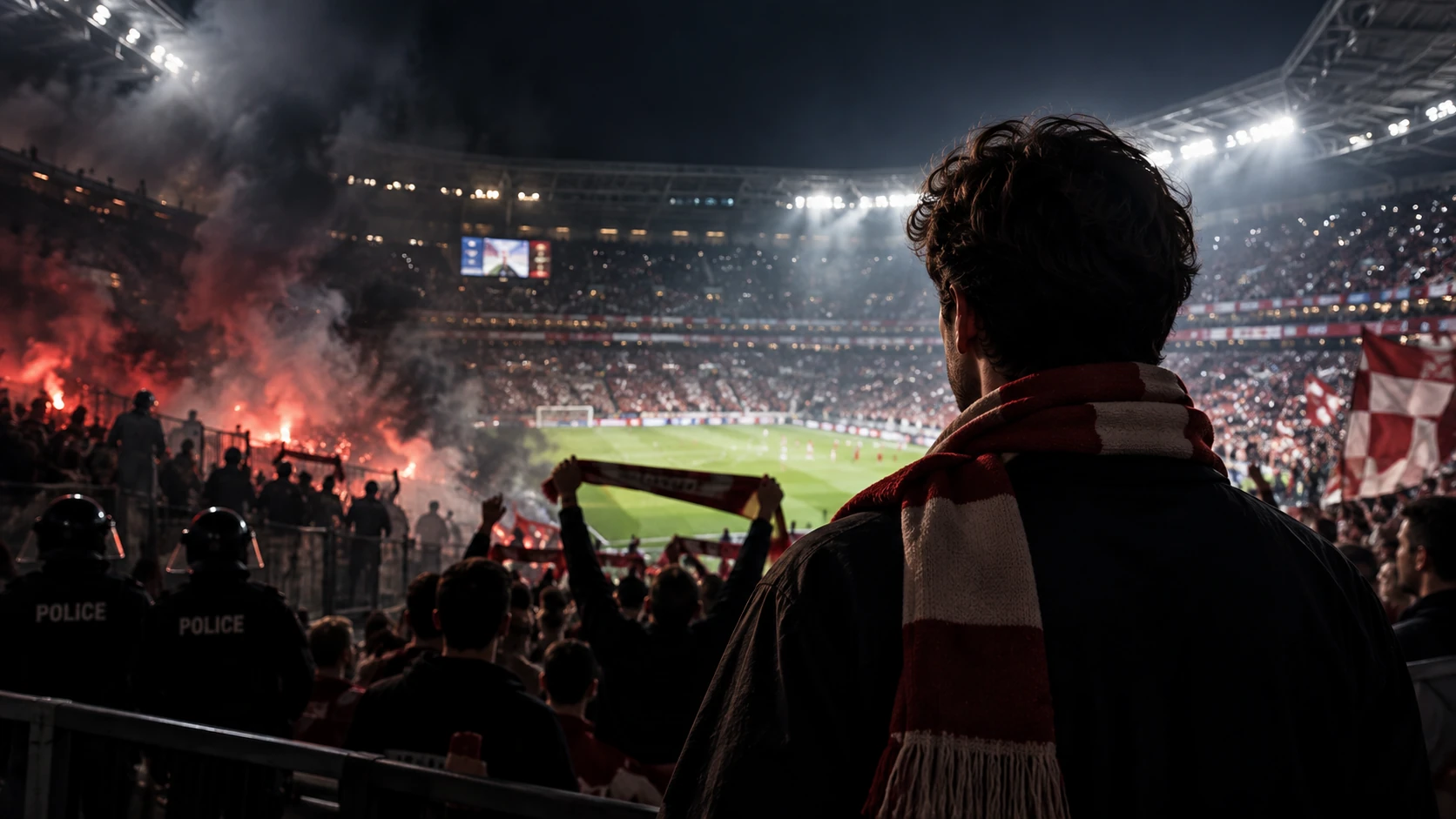
Supplied stylized editorial illustration of a Chucky-like character in Boca colors, preserved unchanged. It is not a photograph of a player or of the 2026 final.
Boca Juniors ended an 18-year wait for a continental trophy by defeating Atlético Mineiro 2–0 in the Copa Sudamericana final on November 21, 2026. Santiago Ascacíbar and Miguel Merentiel scored in Barranquilla, Colombia, giving the Argentine club its third title in the competition and its first international triumph since the 2008 Recopa Sudamericana. Boca Juniors: official final report and starting lineupBoca Juniors: international honours and the 2008 Recopa
The achievement was specific, and significant. Boca had not stopped winning domestic trophies during those 18 years; the drought concerned continental competition. This final restored a different part of the club’s identity, one built around decisive nights against South American opponents and a history in which international silverware carries particular weight.
| Detail | Confirmed result |
|---|---|
| Final | Boca Juniors 2–0 Atlético Mineiro, November 21, 2026 |
| Venue | Estadio Metropolitano Roberto Meléndez, Barranquilla, Colombia |
| Scorers | Santiago Ascacíbar and Miguel Merentiel |
| Historical meaning | Third Sudamericana title; first continental trophy since the 2008 Recopa |
Two goals settled the final in Barranquilla
Ascacíbar gave Boca the lead in the 16th minute with a powerful strike. The club’s official report notes that the midfielder had already seen an earlier goal disallowed for offside. His subsequent finish turned Boca’s early pressure into a valid advantage, rather than allowing the opening spell to end as an account of chances without a change to the score. Boca Juniors: official final report and starting lineup
Merentiel added the second early in the second half. Boca describes Sebastián Villa beating his marker and delivering a left-footed cross that the Uruguayan forward converted. Those two contributions divided the scoring between midfield and attack, while the clean sheet meant Atlético Mineiro never found the goal that could have reopened the final. Boca Juniors: official final report and starting lineup
The second goal changed the demands of the match
A 1–0 lead gives the trailing team a clear route back through a single moment. At 2–0, Boca could place greater emphasis on protecting its organization while looking for spaces left by an opponent pursuing a recovery. The club’s match account describes a side that contained Mineiro’s response and created further chances, rather than conceding control for the entire remaining period. Boca Juniors: official final report and starting lineup
That does not require turning a result into a claim that the losing team never threatened. The verified outcome is narrower and more useful: Boca scored in both halves, kept Mineiro out and completed the match with a two-goal advantage. A final is decided by converting those margins into the score that survives the last whistle.
An Argentine team with several sources of influence
Rodolfo Arruabarrena’s starting side included Álvaro Montero in goal, Leandro Paredes as captain, Ascacíbar in midfield, and Villa and Merentiel in attack. The official team sheet also lists Leandro Lozano, Lautaro Di Lollo, Facundo Herrera, Lautaro Blanco, Milton Delgado and Tomás Aranda. The lineup places the goals within a complete team structure rather than reducing the title to one star’s individual night. Boca Juniors: official final report and starting lineup
Ascacíbar’s contribution was especially valuable because it arrived from a player operating behind the forward line. The club reported that it was his tenth goal since joining Boca, nine of which had opened the team’s scoring in their respective matches. That is a club-reported record of timely contributions, not a claim that every performance can be explained by the same statistical pattern. Boca Juniors: official final report and starting lineup
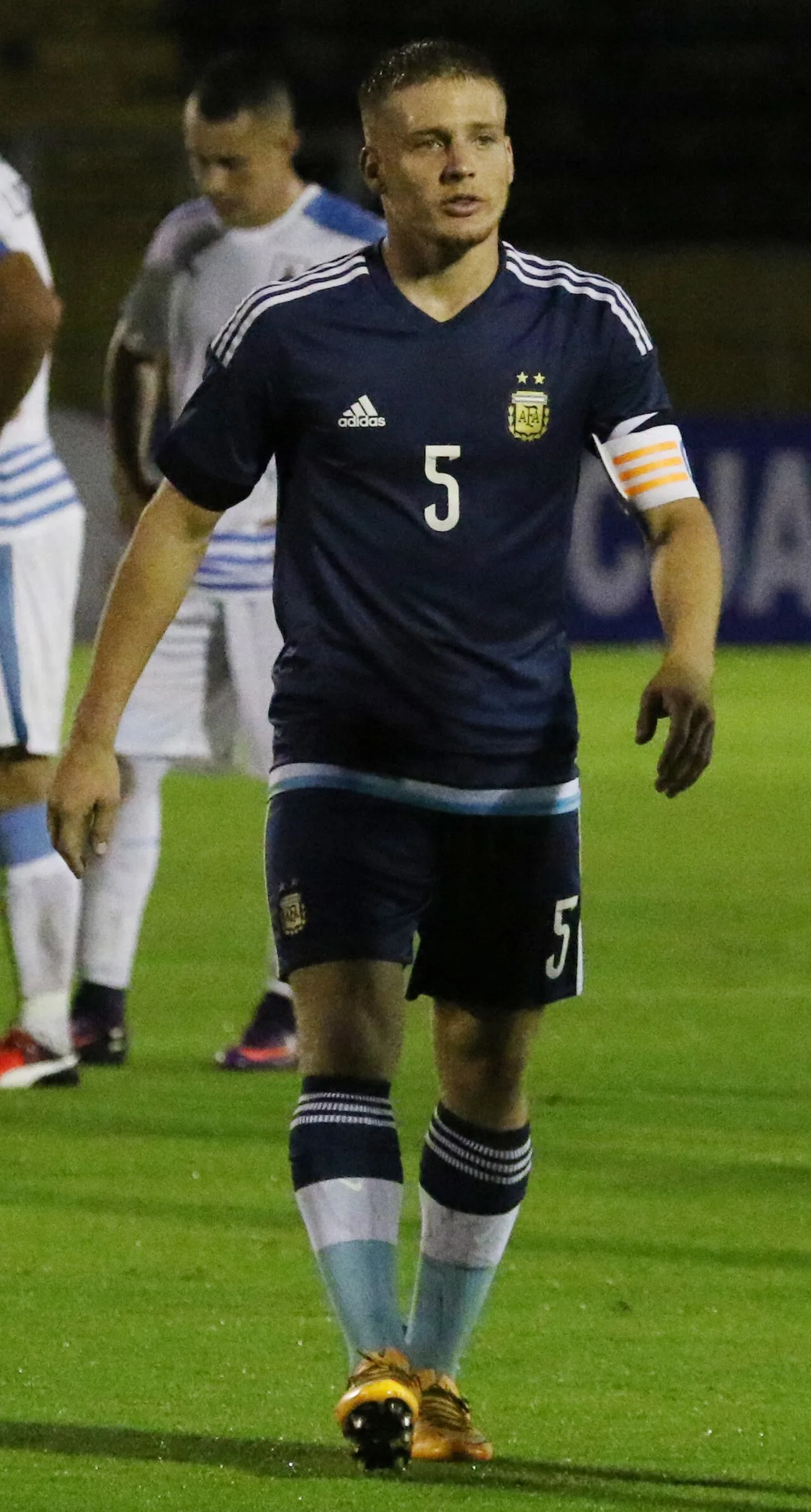
Santiago Ascacíbar, January 30, 2017, in an earlier appearance for Argentina’s youth team. This archival portrait identifies the opening scorer; it does not show Boca’s 2026 final.
Agencia de Noticias ANDES / Wikimedia Commons · CC BY-SA 2.0
Paredes, Villa and Merentiel contributed different things
The captain’s role, the provider’s action and the scorer’s finish are separate parts of a successful attack. Villa’s delivery supplied the opportunity for the second goal, while Merentiel completed it. The final report credits the forward with his 66th Boca goal, placing the finish inside an established scoring record rather than presenting it as his first important intervention. Boca Juniors: official final report and starting lineup
The Argentine Football Association separately confirmed Boca’s championship. That federation account and the club’s own match report agree on the central achievement: Boca defeated Atlético Mineiro to win the 2026 Sudamericana. The result does not depend on interpreting a celebration photograph or an unofficial social-media caption. Argentine Football Association: championship confirmation and knockout results
The knockout route explains the scale of the title
Boca’s path included a narrow escape before its better-known Brazilian opponents. The AFA’s results list records a 1–0 home win over O’Higgins and a 1–0 away defeat in the playoff round, followed by Boca’s 4–3 penalty-shootout success. That tie shows how close the eventual champions came to leaving the competition before the later rounds supplied their defining victories. Argentine Football Association: championship confirmation and knockout results
The next stage was more emphatic: a 3–1 win at home and a 4–0 win away against Recoleta. Boca then beat São Paulo 2–1 on aggregate in the quarterfinals, following a 1–0 first-leg victory with a 1–1 draw. The route combined a shootout, a comfortable aggregate result and a tighter two-legged contest, rather than one repeated kind of success. Argentine Football Association: championship confirmation and knockout results
A semifinal recovery preceded the clean-sheet final
Vasco da Gama won the first semifinal leg 1–0 at Boca. The Argentine club responded with a 3–1 away victory, taking the tie 3–2 on aggregate. That reversal required Boca to recover an existing deficit on the opponent’s ground, a different challenge from defending a lead in a neutral-site final. Argentine Football Association: championship confirmation and knockout results
São Paulo, Vasco and Atlético Mineiro therefore formed three consecutive Brazilian obstacles in the closing rounds. The club’s report highlights that sequence as a feature of the campaign. It should be read alongside the earlier ties, especially the O’Higgins shootout, because the eventual trophy reflects surviving the whole route rather than only winning the most visible final. Boca Juniors: official final report and starting lineup
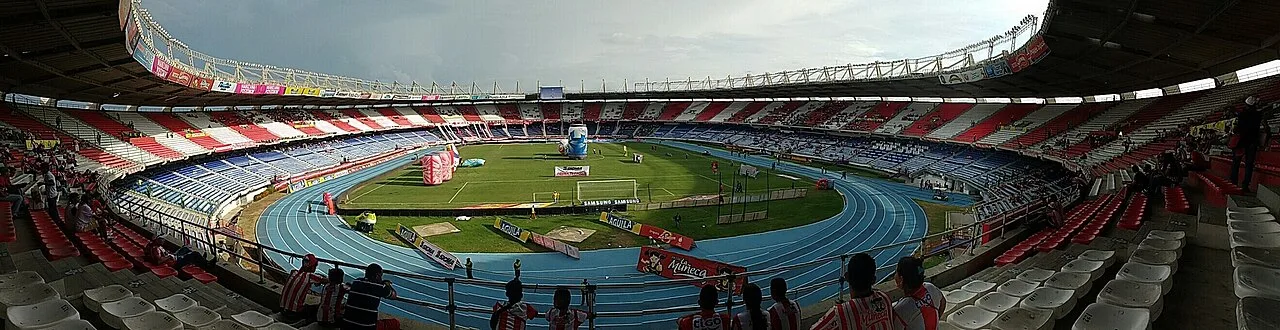
Estadio Metropolitano Roberto Meléndez, Barranquilla, July 17, 2016. An archival panorama of the venue that hosted the November 21, 2026 final, not a photograph of that match.
What “18 years” actually measures
The reference point is the 2008 Recopa Sudamericana against Arsenal de Sarandí. Boca identifies that trophy as its previous international success, making the interval to the 2026 Sudamericana 18 years. The drought did not begin with the club’s last Libertadores title, which came in 2007, and it does not describe an absence of every kind of silverware. Boca Juniors: international honours and the 2008 Recopa
That distinction matters for a club with a busy domestic and continental history. The Copa Sudamericana, Copa Libertadores and Recopa are different competitions. A new Sudamericana title ends a continental wait without becoming a seventh Libertadores crown or rewriting which tournament Boca won in an earlier season. Accurate names preserve the scale of the achievement instead of making it less impressive.
A third Sudamericana, after 2004 and 2005
Boca’s previous Sudamericana titles came in 2004 and 2005. The 2026 victory therefore adds a third edition to its record. DEPORTV’s account identifies it as the competition’s leading total, while the club’s own tournament-history page places the earlier victories within its sequence of international successes. The latest title returns Boca to a trophy it already knew, after a much longer interval than the first two wins. DEPORTV: final venue, result and third Sudamericana titleBoca Juniors: Copa Sudamericana history
The club also counts the victory as its 19th international honour, publishing a list that includes Libertadores, Intercontinental Cup, Recopa and other historic competitions. That total is best attributed to Boca’s stated honours record. It should not be casually exchanged for a count of Libertadores titles or a claim about every possible way of classifying international competitions. Boca Juniors: international honours and the 2008 Recopa
Why this is different from Boca’s domestic championship
The continental final came shortly after another celebration at home. PRESDA’s earlier report on Boca’s 2026 annual-table league championship covers that separate domestic distinction. The two achievements belong to the same season but answer different sporting questions: one concerns the Argentine competition structure, the other a South American knockout campaign ending in Colombia.
For supporters, the separation is not merely administrative. A continental run brings opponents from other leagues, travel and the possibility of a decisive match away from the home ground. The title’s emotional weight comes partly from that setting and partly from the gap since 2008. It does not require pretending that the intervening years contained no domestic success or memorable football.
A club identity shaped by international nights
PRESDA’s feature on Diego Maradona’s footballing legacy examines a wider Argentine tradition in which club, place and public memory become closely connected. Boca’s latest success belongs to its own contemporary team and campaign. Invoking that broader culture can explain the audience’s investment without assigning the 2026 result to a romantic idea of destiny.
The players still had to produce the goals and preserve the clean sheet. Stories about a club’s identity become convincing when attached to those actions: the midfielder’s opening strike, the cross and finish after halftime, the semifinal recovery and the penalty shootout survived months earlier. Those details give the championship an identifiable footballing shape.
What comes after the breakthrough
Winning the Sudamericana qualifies Boca to contest the 2027 Recopa against the Libertadores champion. At the time of Boca’s final report, that opponent was still to be decided in the upcoming final between Estudiantes de La Plata and Palmeiras. The qualification is confirmed; naming a winner of that later match in advance would go beyond the available result. Boca Juniors: official final report and starting lineup
PRESDA’s reporting on football supporters, loyalty and rivalry helps explain why the end of an 18-year wait becomes more than a number. In Barranquilla, however, the decisive facts remain direct: Boca beat Atlético Mineiro 2–0, won its third Sudamericana and brought a continental trophy back into a record that had last changed in 2008.
FAQ
Frequently Asked Questions
Which trophy did Boca Juniors win in 2026?
Boca won the Copa Sudamericana by beating Atlético Mineiro 2–0 in the final on November 21, 2026.
Why is it called an 18-year continental drought?
Boca’s previous international trophy was the 2008 Recopa Sudamericana against Arsenal de Sarandí. The interval concerns continental honours, not all domestic trophies.
Who scored in the final?
Santiago Ascacíbar scored in the first half and Miguel Merentiel added the second early in the second half.
Was this Boca’s first Sudamericana title?
No. Boca previously won the competition in 2004 and 2005, making 2026 its third title.
PRESDA Dispatch
Stay Informed. Stay Aware.
A sharp briefing across AI, gaming, sport, business, world affairs, paparazzi, and lifestyle.