Category
Science
Research, discovery, space, archaeology, health, and evidence-led explanations.
Explore evidence-led explainers on evolution, space, the brain, sleep, language, extinction and the methods scientists use to separate evidence from uncertainty. Start with deep science stories, then move through the wider Science archive for connected context.
 Science
YOUR PHONE IS STEALING YOUR ATTENTION: THE SCIENCE OF ENDLESS SCROLLING
One notification becomes an hour. Discover what research reveals about scrolling, sleep, attention and relationships—and try seven days of more intentional phone use.
Read More Science
HOUSE MUSIC: WHY DOES A BEAT MAKE YOUR BODY MOVE?
From Frankie Knuckles and Chicago’s dance floors to the brain’s timing and reward systems: why a beat makes us move, and what the famous 128 BPM claim gets wrong.
Read More Science
ALZHEIMER’S: WHAT HAPPENS WHEN THE BRAIN BEGINS TO FORGET YOU?
Alzheimer’s changes the brain long before daily life begins to unravel. Inside the science of memory loss, the limits of new treatments and the human connections that still matter.
Read More Science
GOOD VS EVIL: WHAT MAKES A HUMAN CROSS THE LINE?
If evil always had horns, morality would be easy. Psychology, history and philosophy show how ordinary people can cross the line, and why others refuse to.
Read More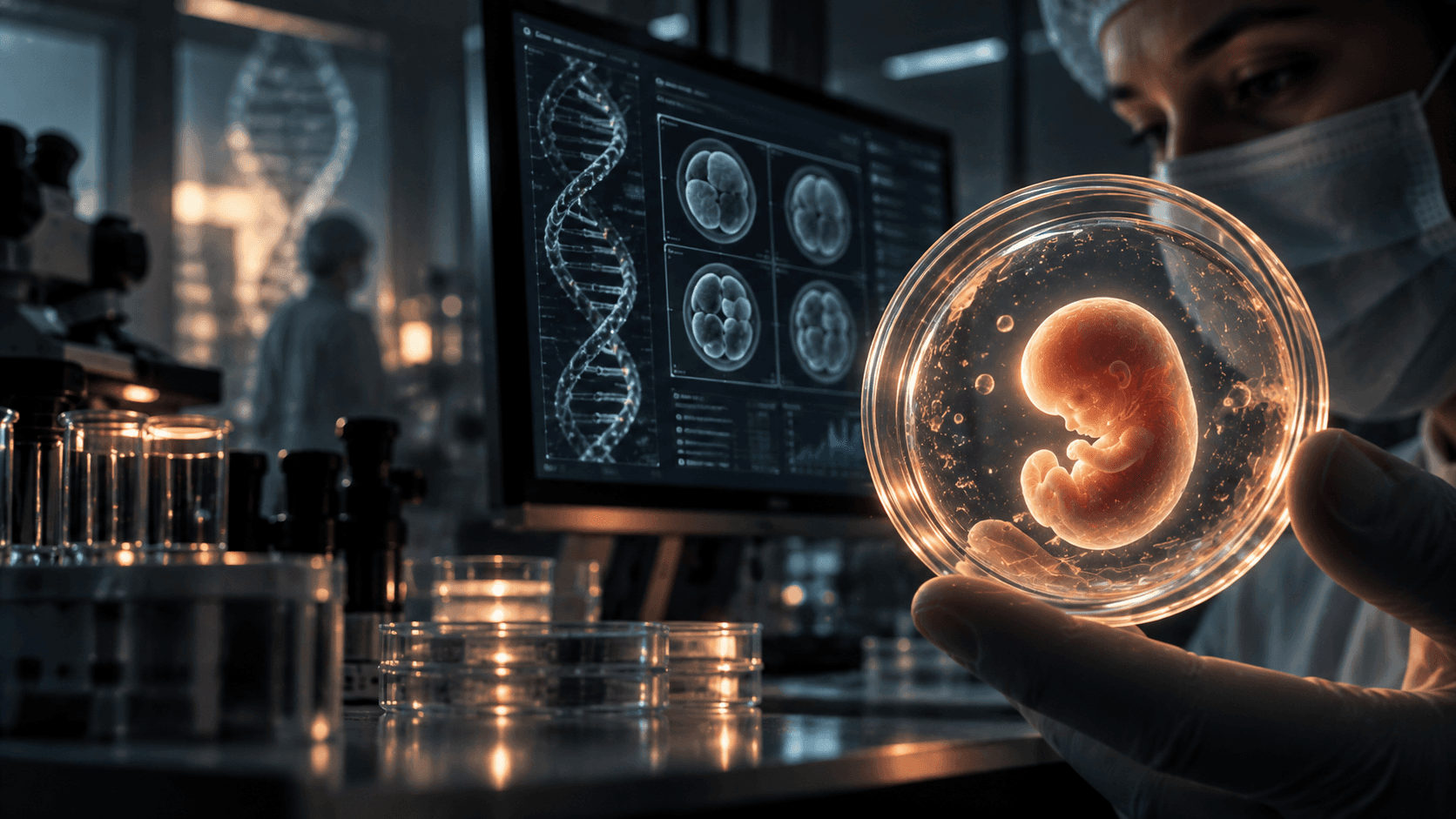 Science
DESIGNER BABIES: CAN PARENTS REALLY CHOOSE THEIR FUTURE CHILD?
IVF can already allow doctors to test embryos for certain genetic conditions before pregnancy. But as embryo screening becomes more powerful, how much should parents be allowed to choose?
Read More Science
HACHIKŌ'S STORY MAKES US WONDER: WHY DO DOGS STAY LOYAL TO HUMANS?
Hachikō waited for years after his owner never returned. His story became a symbol of loyalty, but science reveals that the bond between dogs and humans began thousands of years before him.
Read More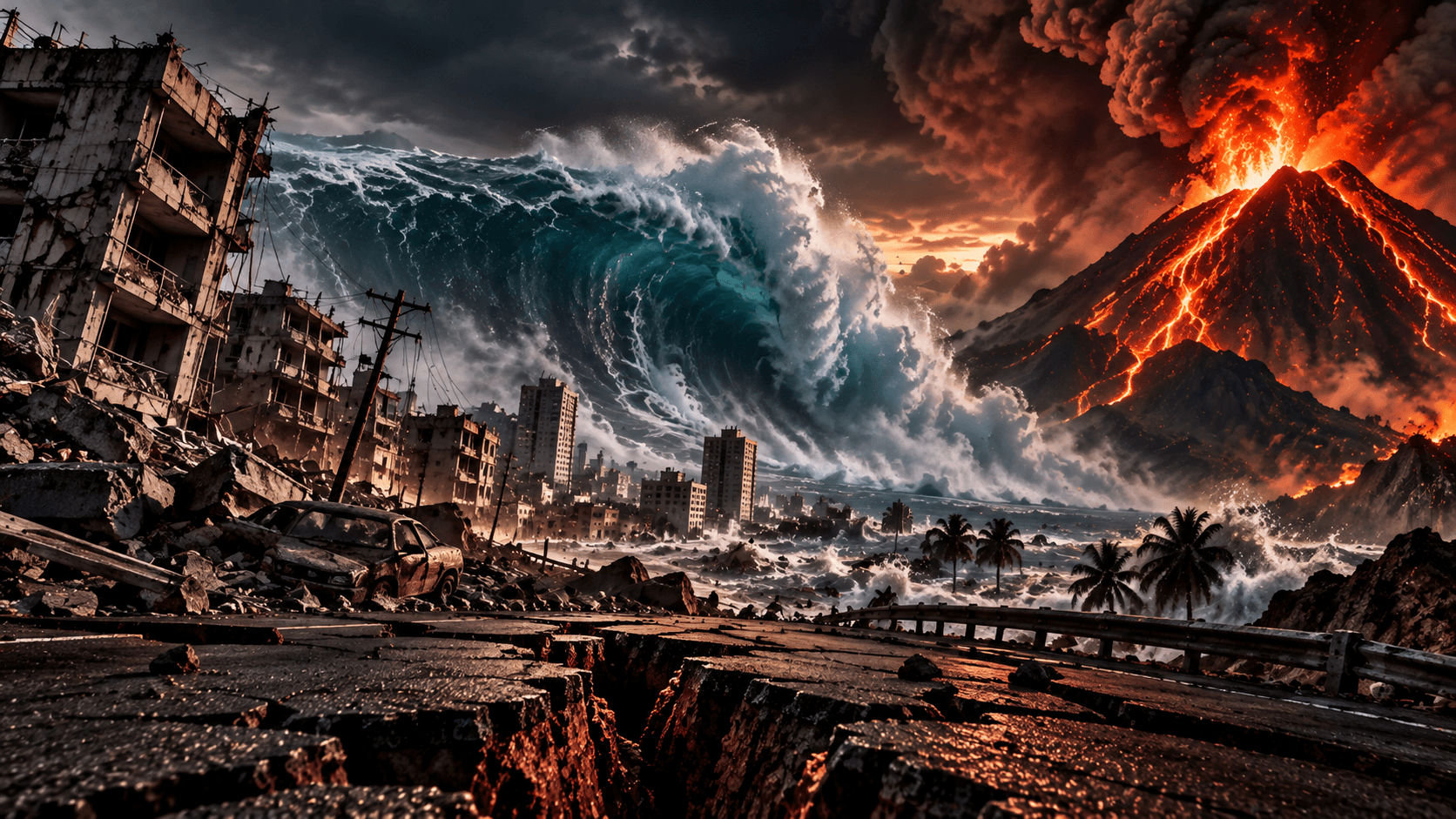 Science
NATURAL DISASTERS: WHY EARTHQUAKES, VOLCANOES AND TSUNAMIS HAPPEN
Earth's surface may look stable, but beneath it enormous forces are constantly moving. From earthquakes and volcanic eruptions to tsunamis capable of crossing oceans, understanding these disasters begins deep inside our planet.
Read More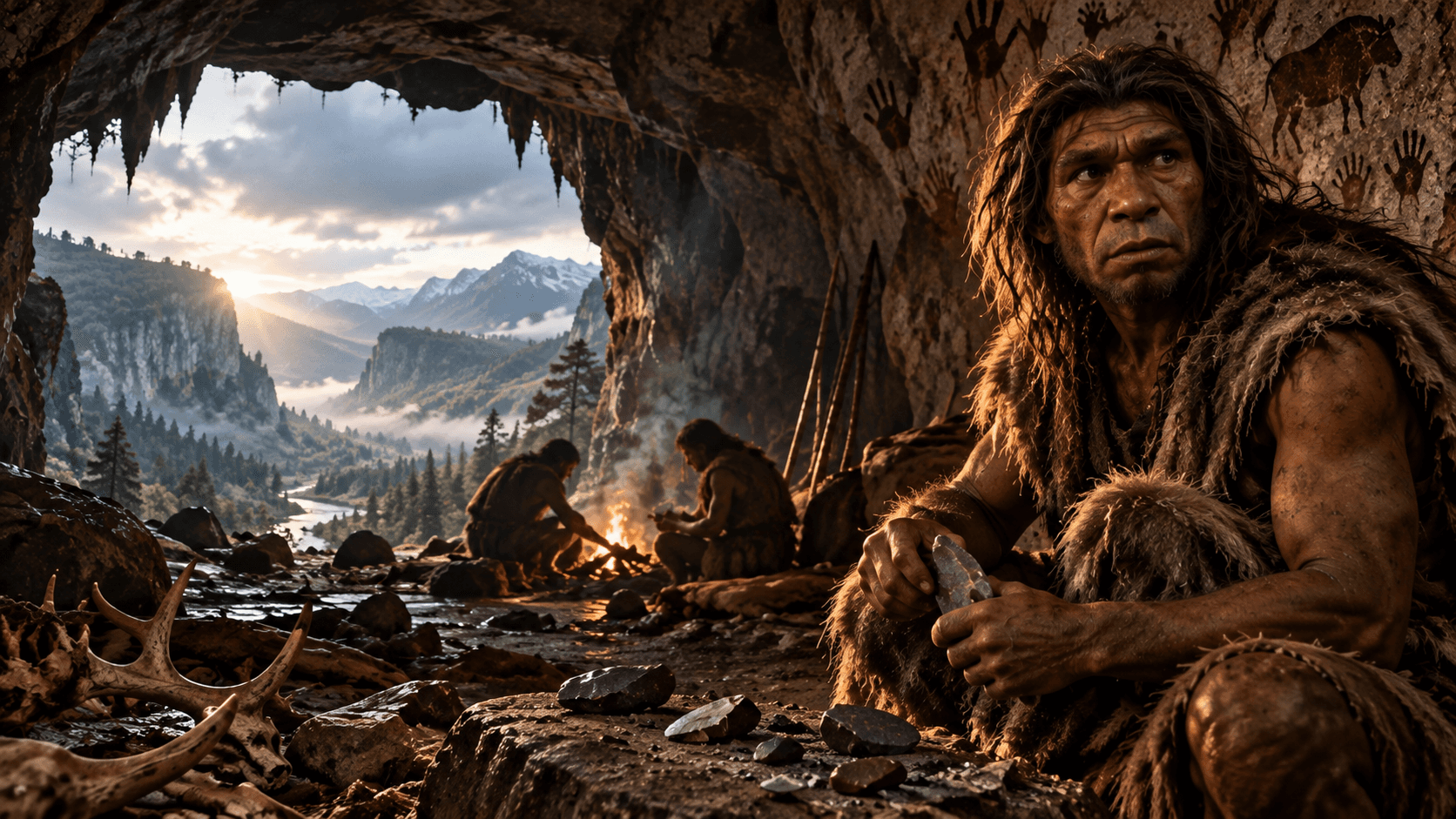 Science
THE DENISOVANS: THE LOST HUMANS WHO STILL LIVE IN OUR DNA
Known first from little more than a fragment of bone and ancient DNA, the Denisovans were a mysterious human population that once lived across Asia. They disappeared thousands of years ago - but part of them survives inside the genomes of people alive today.
Read More Science
CATS AND HUMANS: HOW A WILD HUNTER BECAME PART OF THE FAMILY
Cats were never domesticated quite like dogs. Thousands of years ago, wildcats began moving closer to human settlements, beginning a relationship that would eventually bring them into our homes and families.
Read More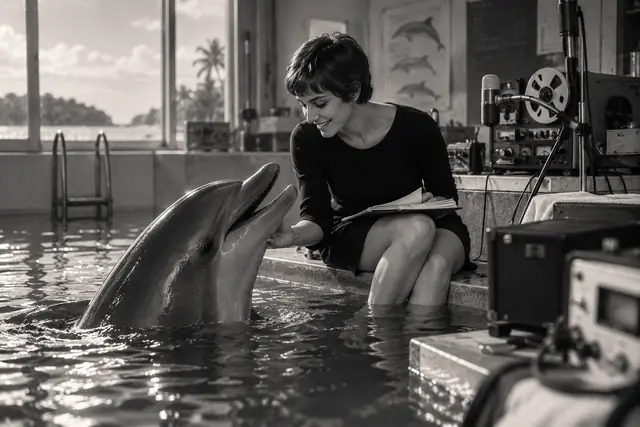 Science
PETER AND MARGARET: THE DOLPHIN EXPERIMENT THAT SHOCKED THE WORLD
In the 1960s, Margaret Howe Lovatt lived alongside a dolphin named Peter in an extraordinary attempt to bridge the communication gap between humans and another species. What happened inside Dolphin House became one of the strangest and most controversial stories in animal research.
Read More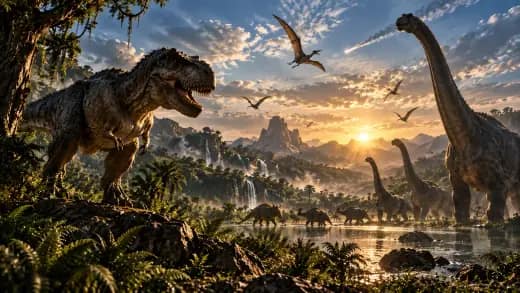 Science
DINOSAURS: THE RISE AND FALL OF THE GIANTS THAT RULED EARTH
For more than 160 million years, dinosaurs evolved into giants, hunters, feathered forms and living birds. Fossils reveal their lost worlds and the catastrophe that ended the non-avian dinosaurs.
Read More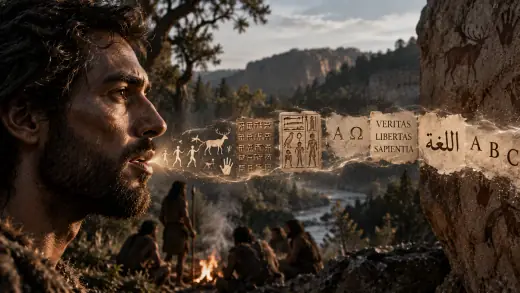 Science
LANGUAGE: HOW DID HUMANS LEARN TO SPEAK?
Every human society uses language, but scientists cannot identify the first spoken words. The story of language begins before writing, inside bodies, brains, gestures, cooperation and culture.
Read More Science
DEPRESSION: WHAT REALLY HAPPENS INSIDE THE BRAIN?
Depression is not ordinary sadness and not simply a chemical imbalance. It involves mood, reward, stress, sleep, memory, motivation and brain networks that vary from person to person.
Read More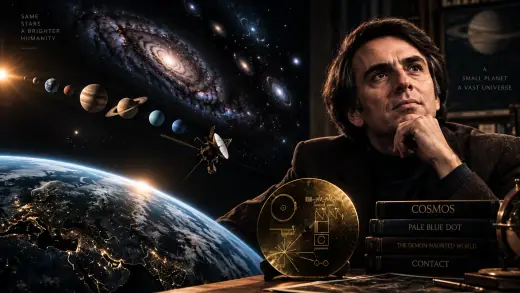 Science
CARL SAGAN: A JOURNEY THROUGH OUR UNIVERSE
Through Carl Sagan's life and ideas, travel from Earth to the Moon, Sun, Solar System, Milky Way, Andromeda and the observable universe.
Read More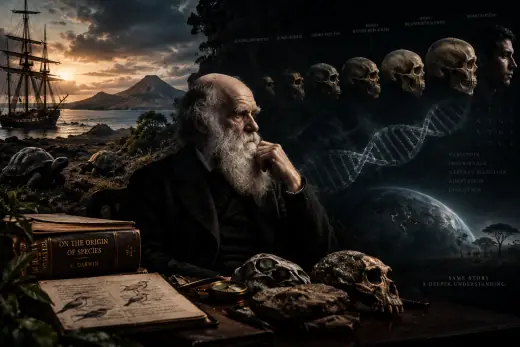 Science
CHARLES DARWIN: THE THEORY THAT CHANGED HOW WE UNDERSTAND LIFE
Charles Darwin did not discover evolution in a single moment. His theory emerged from travel, evidence, doubt, Alfred Russel Wallace's parallel insight and decades of scientific work.
Read More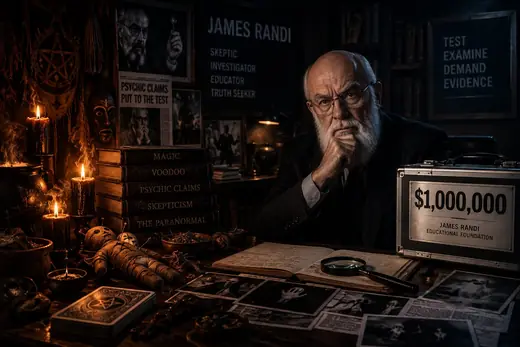 Science
MAGIC AND THE PARANORMAL: CAN SUPERNATURAL POWERS BE PROVEN?
For centuries, humans have believed in magic, curses, psychic powers and supernatural forces. Then skeptics such as James Randi asked a simple question: can any of them work under controlled conditions?
Read More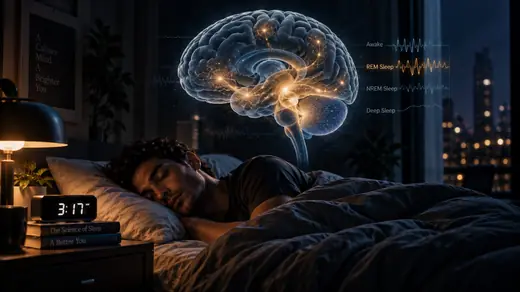 Science
Why Do We Dream? The Science Behind the Sleeping Mind
Why do we dream? Explore what neuroscience knows about dreams, REM sleep, memory, emotions, nightmares and the theories behind the dreaming mind.
Read More Science
Galileo and the Church: The Trial That Changed Science
The true story of Galileo Galilei's conflict with the Catholic Church, his 1633 trial, heliocentrism, house arrest, and the Church's later reassessment.
Read More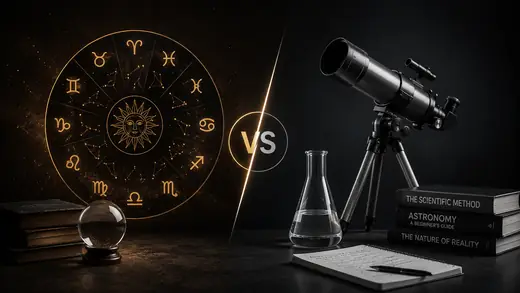 Science
Are Zodiac Signs Real? Astrology, Personality And Science Explained
Are zodiac signs real? Culturally, yes. Scientifically, astrology has not shown reliable evidence that birth signs predict personality or future events.
Read More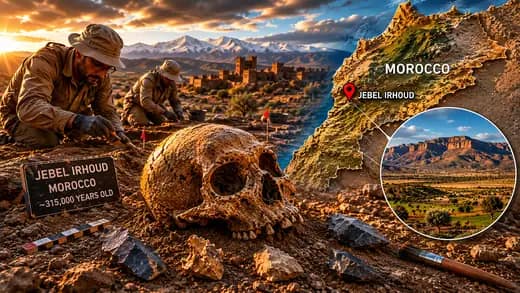 Science
Jebel Irhoud Morocco: The Fossils Behind 'We Are All Moroccans'
Jebel Irhoud in Morocco holds some of the oldest Homo sapiens fossils ever found, but its real importance is bigger than a slogan: it points to a wider African origin story.
Read More