The World's Oldest Living Trees
Methuselah, Old Tjikko, Pando and ancient sequoias reveal why tree-age records depend on what scientists measure: a trunk, a root system or a genetic lineage.
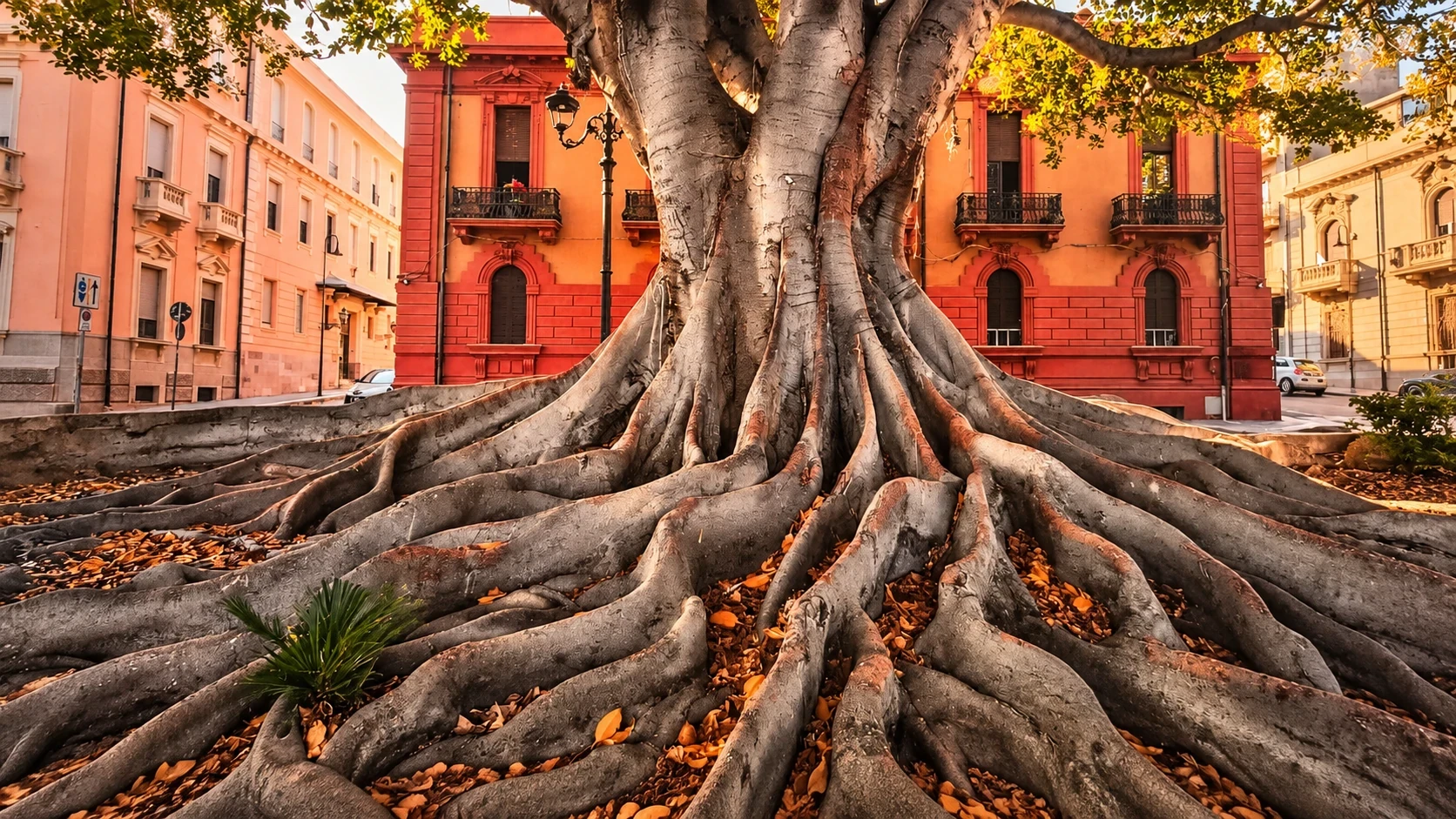
PRESDA · AI-generated editorial illustration of a generic old tree; it does not depict Methuselah, Pando or an identified record-holder.
An ancient tree is not always the oldest thing you can see. The trunk may be younger than the roots, a forest may be one genetic individual, and an impressive age may come from an estimate rather than a complete sequence of rings. Before asking which tree holds the record, ask what is being dated.
Among living individual trees, California's Great Basin bristlecone pines provide some of the strongest evidence for exceptional longevity. Methuselah is more than 4,800 years old. Clonal systems such as Sweden's Old Tjikko tell a different story: successive trunks can continue a lineage whose history reaches much further back. Comparing them without that distinction produces a dramatic ranking and poor science. Conservation International: Methuselah
How scientists read a tree's age
A ring sequence can record years of growth, but counting visible bands is only the beginning. Dendrochronologists compare patterns among samples to place growth in a calendar sequence. Missing wood, an inaccessible centre or irregular growth can prevent a full age determination. A measured minimum, an extrapolation and a complete dated sequence should never be presented as interchangeable evidence.
Tree rings also preserve information beyond birthdays. The US National Park Service uses giant sequoia records to examine climate and fire history. An old tree is therefore both a living organism and an environmental archive. Removing wood carelessly risks damaging the subject and the record at the same time. National Park Service: giant sequoias
A trunk, a clone or a surviving lineage?
An individual stem has a beginning and an end. A clone can produce new stems from a shared living system, so the death of one trunk need not end the organism. Radiocarbon dating of old wood and genetic analysis answer different questions from ring counts in a standing trunk. The responsible label states the object dated, the method and the uncertainty; a large number alone cannot do that work.
Methuselah: longevity in the White Mountains
Methuselah is a Great Basin bristlecone pine, Pinus longaeva, in California's White Mountains. Its precise location is withheld for protection. The useful public fact is its documented survival for more than 4,800 years, not directions to a particular trunk. Age figures repeated online often refer to different publication years, which is another reason to avoid a falsely precise live counter.
The Forest Service describes bristlecones surviving cold, wind and difficult soils, with dense, durable wood and sometimes only a narrow strip of living tissue sustaining the tree. A weathered, partly dead-looking form can therefore still be alive. Longevity is not the same as lushness, and the biggest or greenest tree is not necessarily the oldest. US Forest Service: ancient bristlecone pines
Old Tjikko: an old system with a younger trunk
In Sweden's Fulufjället National Park, Old Tjikko is a Norway spruce associated with a clonal history of about 9,550 years. The park explicitly distinguishes that history from the visible trunk, which is only a few hundred years old. Branches can take root and sustain continuity as above-ground growth changes. Calling the standing trunk a 9,550-year-old tree conceals the most interesting biology. Swedish National Parks: Old Tjikko
The comparison with Methuselah is therefore not a contest settled by the larger number. One example concerns an extraordinarily persistent individual tree; the other illustrates renewal within a clonal system. Both are remarkable, but they demonstrate different ways of lasting.
Pando: when a grove is one genetic individual
Pando, an aspen clone in Utah's Fishlake National Forest, challenges the idea that every trunk is a separate tree. A 2008 molecular study sampled 209 stems and identified a single genetic entity across approximately 43.6 hectares. That finding establishes clonal identity and extent; it does not, by itself, provide an exact birth date. DeWoody and colleagues: molecular evidence for Pando
Numbers attached to Pando's age vary widely. Rather than promote a disputed estimate to a settled record, it is more useful to understand its survival problem. The Western Aspen Alliance's restoration guidance examines the difficulty of replacing ageing stems when browsing suppresses young growth. Ancient continuity still depends on successful regeneration now. Utah State University researchers: Pando restoration
Sequoias and the difference between size and age
Giant sequoias can survive for millennia, but the largest specimen by volume is not automatically the oldest. Yosemite reports an estimated age of 2,995 years, with an uncertainty of about 250 years, for the Grizzly Giant in a 2019 assessment. Keeping that uncertainty visible is more informative than rounding it into a supposedly exact birthday. Yosemite: sequoia research
Claims about exceptionally old alerce trees in Chile also deserve careful wording. Chile's agricultural and livestock service describes the Gran Abuelo as possibly exceeding 5,400 years. A conditional age claim should remain conditional, particularly when compared with ring-based records. A candidate can be scientifically important before it becomes an uncontested record-holder. Chile's SAG: alerce
How to visit without shortening the story
Stay on designated paths, keep off roots and respect barriers and undisclosed locations. Do not take bark, cones or dead wood as souvenirs. A tree's protection is more important than proving you stood beside the oldest specimen. The National Park Service's account of Prometheus, a bristlecone cut down in 1964, is a reminder that studying antiquity can also destroy it. The Prometheus story
What is the oldest living tree?
There is no honest single answer without a definition. Methuselah is a strongly documented example of an individual living tree older than 4,800 years; Old Tjikko and Pando belong in discussions of clonal persistence. Ask whether a claim concerns a living stem, old wood associated with a root system or a genetic lineage, and whether its age was measured or estimated.
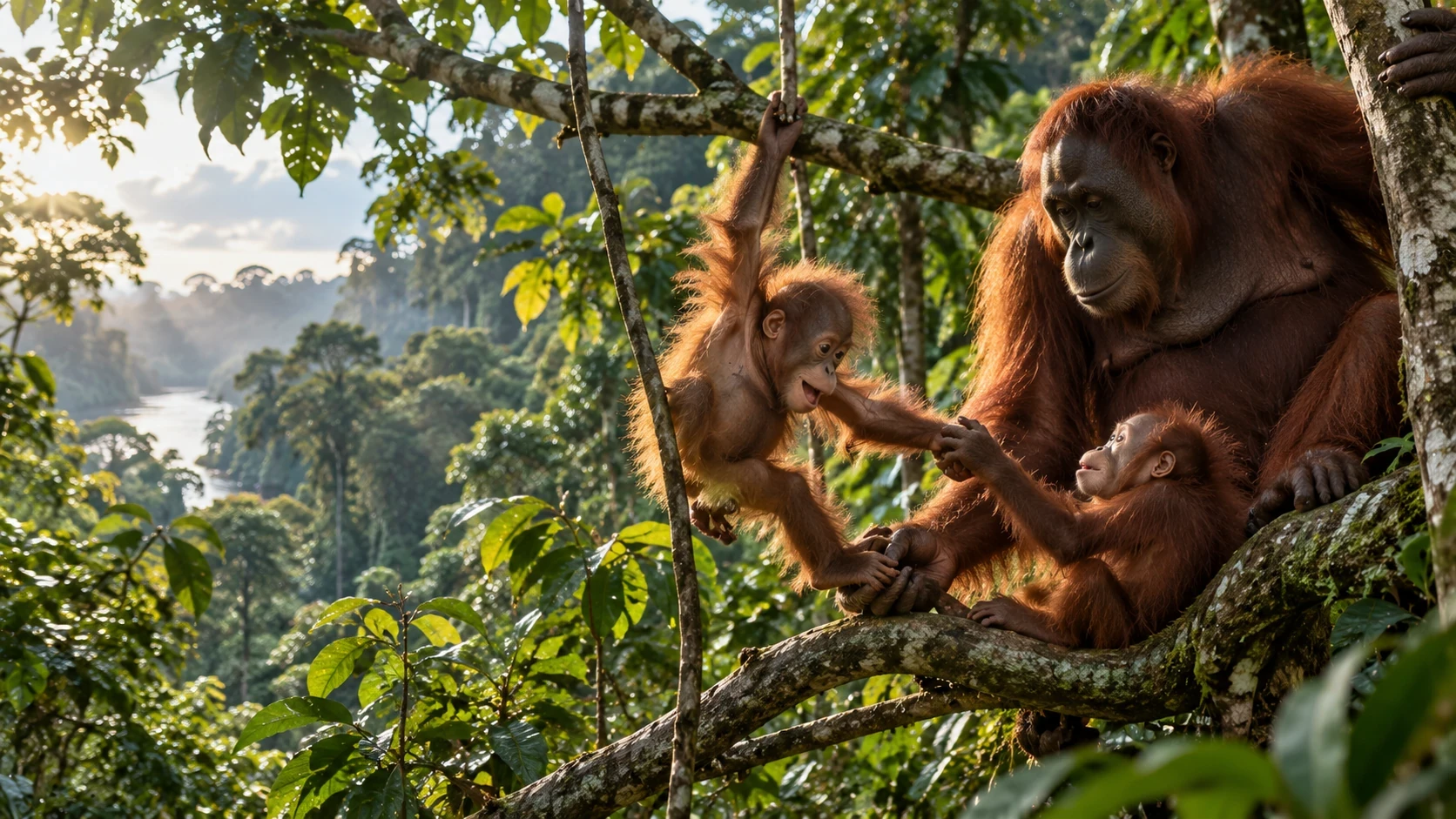
The lesson is not that every record is unreliable. It is that the evidence becomes more fascinating when its limits are explained. Long-lived forests also support relationships that a photograph cannot show, including the mother-and-young interactions examined in our report on orangutan playdates.
FAQ
Frequently Asked Questions
What is this PRESDA article about?
Methuselah, Old Tjikko, Pando and ancient sequoias reveal why tree-age records depend on what scientists measure: a trunk, a root system or a genetic lineage.
Which category does this story belong to?
This story is part of PRESDA's Science coverage.
Who published this article?
The World's Oldest Living Trees was published by PRESDA Editorial on PRESDA.
PRESDA Dispatch
Stay Informed. Stay Aware.
A sharp briefing across AI, gaming, sport, business, world affairs, paparazzi, and lifestyle.