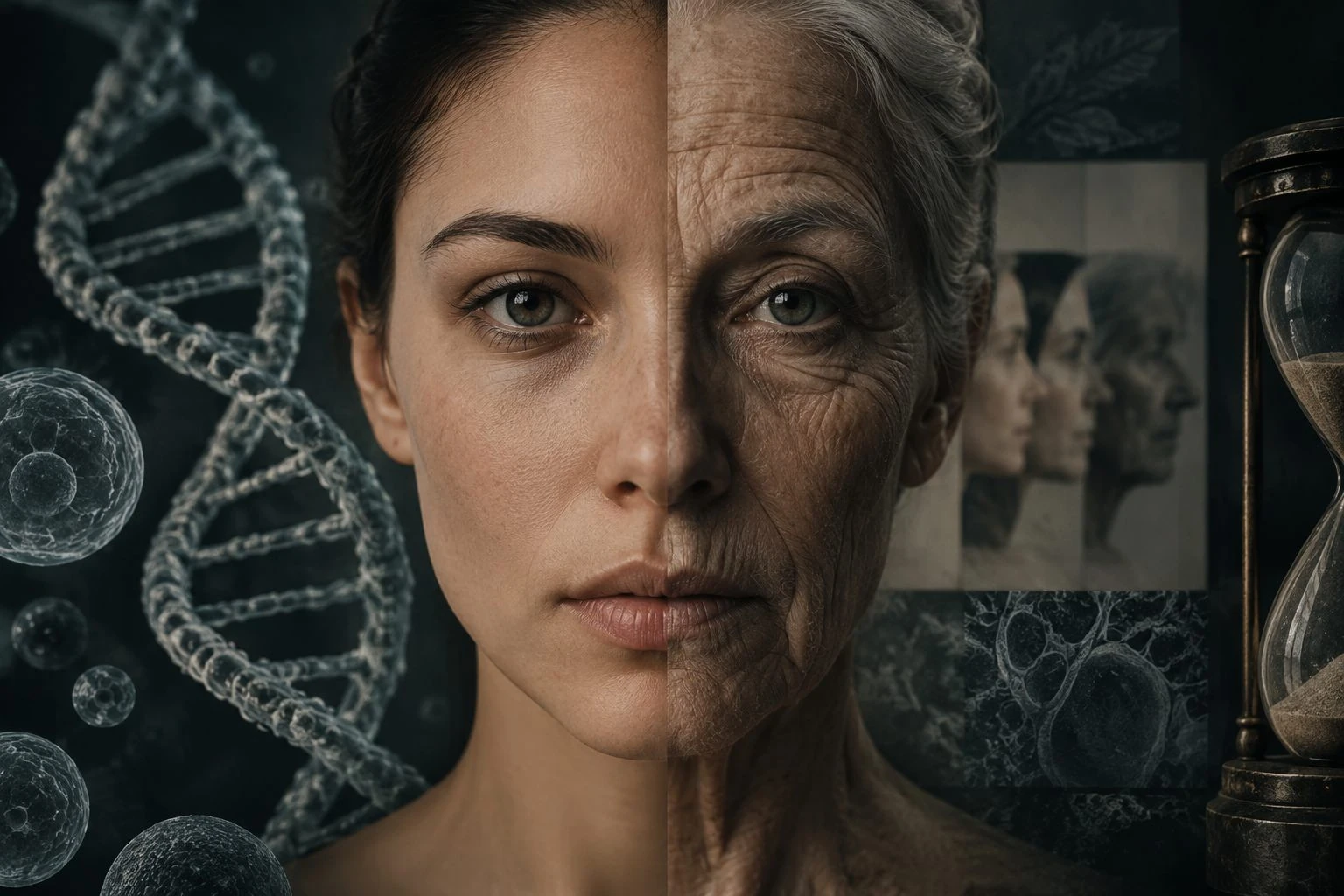
Anti-Aging: Can We Actually Slow Down Human Aging?
Scientists are asking not only how to live longer, but also whether humans can stay healthier and biologically younger for longer.
Anti-aging used to sound like a promise from the beauty industry: fewer wrinkles, better skin, a younger-looking face. Longevity science has pushed the conversation somewhere deeper. Researchers are now asking whether the biological processes that make people frailer with age can be measured, delayed, or someday targeted safely.
The answer is careful, not magical. Scientists have identified mechanisms linked to aging, including DNA damage, epigenetic changes, cellular senescence, inflammation, mitochondrial dysfunction and altered nutrient sensing. Some interventions slow aging-related decline in animals. A smaller number are being tested in humans. But no pill, supplement or procedure has been proven to broadly reverse human aging.
That distinction matters. The most credible anti-aging science is less about chasing immortality and more about healthspan: the years people can live with strength, cognition, mobility and independence. For more science coverage from PRESDA, explore our Science coverage and our reporting on AI elderly care in Japan.
What Anti-Aging Really Means
In serious research, anti-aging does not mean stopping time. It usually means slowing, preventing or repairing some of the biological damage associated with age. That can include reducing disease risk, preserving organ function, improving immune resilience, or delaying the period of disability that often arrives late in life.
Chronological age is the number of years since birth. Biological age is an estimate of how old the body appears based on molecular, cellular or physiological markers. Two people can be the same chronological age but differ in cardiovascular fitness, muscle mass, blood pressure, inflammation, metabolic health and resilience.
This is why longevity researchers often focus on healthspan rather than lifespan alone. A longer life is not automatically a better life if extra years are dominated by illness. The central question is whether medicine can compress disease and frailty into a shorter period near the end of life.
The Biology Of Aging: The Hallmarks Framework
A major reason anti-aging has become scientifically serious is that aging is no longer treated as one vague process. The Hallmarks of Aging framework, first published in 2013 and expanded in 2023, organizes aging into interconnected biological mechanisms.
The expanded framework includes genomic instability, telomere attrition, epigenetic alterations, loss of proteostasis, disabled macroautophagy, deregulated nutrient sensing, mitochondrial dysfunction, cellular senescence, stem-cell exhaustion, altered intercellular communication, chronic inflammation and dysbiosis.
These hallmarks are not separate switches. They interact. A cell that accumulates DNA damage may become senescent. Senescent cells can release inflammatory signals. Chronic inflammation can worsen tissue repair. Metabolic dysfunction can affect mitochondria and immune function. Aging is a network problem, not a single broken part.
Can Human Aging Be Slowed?
The strongest evidence for slowing aging still comes from animal models, not humans. Calorie restriction, genetic changes, rapamycin-like pathways and other interventions have extended lifespan or improved health markers in laboratory organisms. Translating those findings into safe human medicine is much harder.
Humans live for decades, have diverse genetics, different lifestyles and complex disease histories. A treatment that extends lifespan in mice may fail in people, produce unacceptable side effects, or help only specific groups. This is why responsible researchers avoid saying that a compound is an anti-aging treatment for humans until clinical outcomes support it.
What is already well supported is less glamorous but powerful: regular physical activity, not smoking, good sleep, blood-pressure control, vaccination, balanced nutrition, social connection, preventive care and treatment of chronic disease all affect healthy aging. The National Institute on Aging emphasizes these fundamentals because they have human evidence behind them.
Rapamycin: The Most Watched Longevity Drug
Rapamycin is one of the most discussed compounds in longevity research because it targets mTOR, a nutrient-sensing pathway involved in growth, metabolism and cellular maintenance. In animal studies, rapamycin has repeatedly shown lifespan effects, which is why it attracts serious scientific attention.
But rapamycin is also a real drug with real risks. It is used clinically in contexts such as transplant medicine and has immune-related effects. That means the question is not simply whether rapamycin can influence aging biology. The question is whether any dose, schedule or related compound can improve human healthspan safely enough to justify use outside specific medical indications.
Human trials involving rapamycin or rapamycin-like drugs are exploring immune, cardiac, skin and aging-related outcomes, but this is not the same as proof that healthy adults should take it for longevity. The responsible position in 2026 is that rapamycin is promising, actively studied and not established as a general anti-aging therapy.
Metformin And The TAME Question
Metformin is a widely used diabetes drug that became a longevity candidate because of observational evidence, animal work and its effects on metabolism and inflammation-related pathways. The TAME project, short for Targeting Aging with Metformin, was designed to test whether metformin could delay the onset or progression of multiple age-related diseases.
The significance of TAME is conceptual as much as pharmaceutical. It asks whether aging can be approached as a modifiable risk factor behind several diseases rather than one disease at a time. That is a major shift in how medicine thinks about prevention.
Still, metformin should not be treated as proven anti-aging medicine for healthy people. Observational studies can be confounded by who receives the drug, how diabetes is treated, and differences in healthcare access. Clinical trials are needed before turning a hypothesis into a broad recommendation.
NAD+, NMN And The Supplement Problem
NAD+ is essential for cellular energy metabolism and several repair pathways. Levels of NAD+ are reported to decline with age in some tissues, which has led to intense interest in NAD+ precursors such as NR and NMN.
The science is interesting, but the consumer market often moves faster than the evidence. Some human studies suggest these compounds can raise NAD-related biomarkers, but raising a biomarker is not the same as proving longer life, lower disease risk or reversed aging.
For readers, the useful distinction is simple: NAD+ biology is legitimate, but many supplement claims remain ahead of clinical proof. Anyone considering supplements should think about quality control, medication interactions, personal health context and medical guidance rather than treating online longevity marketing as evidence.
Cellular Senescence And Senolytics
Cellular senescence happens when damaged or stressed cells stop dividing. In some contexts this protects against cancer and supports wound healing. Over time, however, senescent cells can accumulate and release inflammatory signals that may contribute to tissue dysfunction.
Senolytics are experimental strategies intended to clear certain senescent cells. In animals, removing senescent cells has produced striking results in some models. In humans, the field is still early and highly specific. Researchers are studying whether senolytics could help particular diseases or conditions, but broad anti-aging use is not proven.
The challenge is precision. Senescent cells are not always harmful, and clearing the wrong cells at the wrong time could be risky. The future of this field depends on better biomarkers, better targeting and rigorous human trials.
Epigenetic Reprogramming: Powerful But Risky
Epigenetic reprogramming is one of the most dramatic ideas in longevity science. The basic concept is that cells carry chemical marks that influence gene activity, and some of these marks change with age. Partial reprogramming tries to reset aspects of cellular identity without pushing cells all the way back into a stem-cell-like state.
This is exciting because animal and cell studies suggest some age-related features can be changed. It is also risky because the same machinery that makes reprogramming powerful can disrupt cell identity or increase tumor-related concerns if not controlled carefully.
In 2026, epigenetic reprogramming belongs in the category of frontier science, not consumer anti-aging. It may shape future regenerative medicine, but it is not a proven way for people to become biologically younger today.
Lifestyle Is Still The Strongest Human Evidence
Longevity science can make ordinary advice sound less boring. Exercise influences insulin sensitivity, blood pressure, muscle, bone, mood, cognition and inflammation. Sleep affects immune and metabolic regulation. Nutrition shapes cardiovascular risk, body composition and gut health. Social connection and mental health influence resilience.
These interventions are not perfect and not equally accessible to everyone. Genetics, income, environment, stress, healthcare access and pollution all shape aging. But the reason serious medical sources keep returning to lifestyle and preventive care is that the evidence in humans is stronger than the evidence for most anti-aging compounds.
The future may bring drugs that target aging biology. For now, the foundation remains managing known risks and keeping the body capable for as long as possible.
Biological Age Tests: Useful Signal Or Marketing?
Biological age tests, including epigenetic clocks, are becoming more visible. They can be useful research tools and may eventually help measure whether interventions affect aging biology. But consumer tests should be interpreted cautiously.
Different clocks measure different signals. Results can change with methodology, sample quality and the biological system being tested. A lower biological-age number is not automatically proof that someone has added years to life or prevented disease.
The better use of biological-age testing is as part of research or careful clinical interpretation, not as a scoreboard for expensive routines.
What Could Change Next
The most important anti-aging advances may not arrive as one miracle drug. They may come from better biomarkers, earlier disease detection, precision prevention, safer immune modulation, regenerative medicine, improved vaccines for older adults, and trials that measure multiple age-related outcomes at once.
Artificial intelligence may also help researchers identify patterns in biological data, design drug candidates and match interventions to patient groups. But AI does not remove the need for clinical trials. Prediction is not proof.
The most credible future is not a world where aging disappears. It is a world where more people reach later life with fewer years of disability, better prevention and more targeted medicine.
What Readers Should Take Away
Anti-aging is real as a scientific field, but not as a simple consumer promise. Aging biology can be measured and studied. Some mechanisms can be influenced in animals. Some interventions are being tested in humans. But broad human age reversal remains unproven.
The best question is not whether humans can defeat aging. It is whether science can help people stay healthy for longer while avoiding hype, unsafe self-experimentation and exaggerated marketing. That is where the real story is. For a real-world case study, read Bryan Johnson and his Blueprint longevity experiment.
FAQ
Frequently Asked Questions
Can human aging actually be slowed?
Some biological pathways linked to aging can be influenced in animals, and human trials are testing selected interventions. But no treatment has been proven to broadly slow or reverse human aging for the general population.
What is the difference between lifespan and healthspan?
Lifespan is how long someone lives. Healthspan is the period of life spent in relatively good health, with preserved function, mobility and independence. Most serious longevity research focuses on improving healthspan.
Is rapamycin proven for anti-aging?
Rapamycin has strong animal evidence and is being studied in humans, but it is not proven as a general anti-aging treatment for healthy people. It is a real drug with potential risks and should not be used casually.
Does metformin slow aging?
Metformin is a promising research candidate because of metabolic and observational evidence, but clinical trials are needed to determine whether it can delay multiple age-related diseases in people without overstating the evidence.
Do NAD+ supplements or NMN reverse aging?
NAD+ biology is scientifically important, and some supplements may affect NAD-related biomarkers. However, biomarker changes do not prove human age reversal, longer life or lower disease risk.
What is the best proven anti-aging strategy today?
The strongest human evidence still supports fundamentals such as regular physical activity, not smoking, healthy sleep, preventive medical care, blood-pressure control, vaccination, balanced nutrition and social connection.
PRESDA Dispatch
Stay Informed. Stay Aware.
A sharp briefing across AI, gaming, sport, business, world affairs, paparazzi, and lifestyle.