Hidden Gems To Visit In 2026: 10 Unique Travel Destinations
A practical guide to hidden gems to visit in 2026, from blue mountain medinas and Atlantic islands to desert landscapes, limestone lagoons, and historic bays.
The best hidden gems to visit in 2026 are not simply places with fewer crowds. They are destinations where the journey still feels textured: old streets that reward slow walking, islands where the landscape leads the itinerary, mountain towns with strong local identity, and natural places that ask travelers to move with care.
This guide is written for travelers searching for hidden travel destinations in 2026 with practical value, not just beautiful names. Each destination below explains why it belongs on the list, the best time to go, what makes it unique, and one useful travel tip to make the trip easier or more responsible.
For more destination-led stories from PRESDA, explore our Travel coverage.
How To Choose Underrated Places To Visit In 2026
A strong hidden-gem trip balances discovery with responsibility. The goal is not to chase the next viral location before everyone else arrives. It is to choose places where tourism can be thoughtful: stay longer when possible, book local guides, respect conservation rules, and avoid treating communities as scenery.
When comparing underrated places to visit, look for three signals. First, the destination should offer a clear reason to travel there beyond novelty. Second, it should have enough visitor infrastructure to make the trip safe and realistic. Third, it should still reward curiosity, whether through food, architecture, nature, craft, history, or local rhythm.
Chefchaouen, Morocco
Chefchaouen remains one of North Africa's most atmospheric mountain cities. Set against the Rif Mountains, its blue-painted medina, artisan shops, hillside views, and slower pace make it one of the most memorable hidden gems to visit in 2026 for travelers who want culture with visual character.
Why visit: Chefchaouen offers a softer alternative to Morocco's larger imperial cities. It is ideal for photography, craft shopping, relaxed cafe stops, and walking through a medina that feels intimate rather than overwhelming.
Best time to go: Spring and autumn usually offer the most comfortable balance of light, temperature, and walking conditions.
What makes it unique: The blue streets are the obvious signature, but the real strength is the combination of mountain setting, Andalusian-influenced architecture, and everyday medina life.
Travel tip: Stay overnight instead of visiting as a rushed day trip. Early morning and late afternoon are the best times to experience the medina with softer light and fewer crowds.
Zanzibar, Tanzania
Zanzibar is often described through its beaches, but the archipelago is richer than a coastline alone. Stone Town, spice farms, Swahili culture, dhow trips, coral waters, and village life make it one of the best hidden gems 2026 travelers can choose when they want history and island calm in the same journey.
Why visit: Zanzibar works for travelers who want a layered trip: heritage streets, Indian Ocean beaches, local food, markets, and marine activities without reducing the island to a resort stay.
Best time to go: The drier months from June to October are often favored for beach time and outdoor exploring, while January and February can also be appealing for warm-weather travel.
What makes it unique: Stone Town's architecture and cultural mix give Zanzibar a strong sense of place, while the surrounding coast adds the slower rhythm many travelers want from island travel.
Travel tip: Give Stone Town real time before moving to the beach. A guided walk can help connect the island's architecture, trade history, food culture, and daily life.
Cappadocia, Türkiye
Cappadocia is famous, yet it still deserves a place among unique travel destinations because the landscape is unlike almost anywhere else. Fairy chimneys, cave hotels, underground cities, rock-cut churches, and sunrise balloon views create a destination that feels both ancient and cinematic.
Why visit: Cappadocia suits travelers who want landscape, history, and memorable stays in one compact region. It is especially strong for walking valleys, exploring cave architecture, and photographing sunrise.
Best time to go: Spring and autumn are usually the most comfortable seasons for hiking, outdoor sightseeing, and clear morning views.
What makes it unique: The volcanic landscape shaped by erosion has created rock formations, caves, and settlements that make the region feel sculpted rather than built.
Travel tip: Do not plan the trip around one balloon morning only. Weather can affect flights, so allow at least two or three mornings if a balloon ride is a priority.
Banff, Canada
Banff is globally known, but it still functions like a hidden gem when approached with patience and timing. The Canadian Rockies offer turquoise lakes, alpine trails, glaciers, forests, wildlife viewing, and mountain roads that make the destination feel vast even when popular viewpoints are busy.
Why visit: Banff is for travelers who want dramatic natural scenery with well-developed access. It works for hiking, photography, scenic drives, skiing, and quiet shoulder-season escapes.
Best time to go: Summer is best for lake access and hiking, while winter brings snow sports and a completely different mountain atmosphere. Shoulder seasons can feel calmer but require flexible plans.
What makes it unique: Few destinations combine accessible infrastructure with scenery this large: lakes, peaks, forests, icefields, and wildlife corridors all sit within a protected mountain environment.
Travel tip: Start early, use shuttle systems where required, and build in backup hikes or viewpoints. Banff rewards flexible travelers more than checklist travelers.
Cancún, Mexico
Cancún may not sound hidden at first, but its underrated side appears when travelers look beyond the hotel zone. It can be a gateway to cenotes, regional food, Caribbean water, archaeological routes, and the wider Yucatán Peninsula, making it more useful than its party-city reputation suggests.
Why visit: Cancún is practical for travelers who want beach comfort but also easy access to day trips, local markets, islands, and inland natural swimming holes.
Best time to go: Late winter through spring is popular for drier weather, while shoulder periods can offer a calmer experience if travelers monitor seasonal conditions.
What makes it unique: The destination combines major air access with Caribbean coastline and proximity to cultural and natural sites across Quintana Roo and Yucatán.
Travel tip: Plan at least one day away from the resort strip. Visiting a cenote, local restaurant area, or nearby island gives the trip more identity.
Raja Ampat, Indonesia
Raja Ampat is one of the world's extraordinary marine destinations. Its limestone islands, clear water, reefs, remote villages, and biodiversity make it a dream choice for travelers searching for hidden travel destinations in 2026 with a conservation-first mindset.
Why visit: Raja Ampat is best for diving, snorkeling, island scenery, kayaking, and travelers who want nature to be the center of the trip.
Best time to go: Many travelers favor the calmer seas and clearer conditions often associated with the October to April period, though local operators should always be consulted before booking.
What makes it unique: The seascape is the headline: karst islands, reef systems, and remote water routes create a sense of scale and isolation that mass-market beach destinations rarely offer.
Travel tip: Choose operators with clear reef-protection practices. Avoid touching coral, use reef-safe habits, and treat travel time as part of the experience rather than an inconvenience.
El Nido, Philippines
El Nido remains one of Southeast Asia's most striking coastal destinations. Limestone cliffs, lagoons, island-hopping routes, beaches, and clear water make it one of the most visually powerful underrated places to visit, especially when travelers move beyond the busiest stops.
Why visit: El Nido is ideal for boat days, kayaking, snorkeling, sunset views, and travelers who want dramatic coastal scenery without needing a complicated itinerary.
Best time to go: The drier months are generally preferred for boat trips and clearer weather, while conditions should always be checked locally before island-hopping.
What makes it unique: The vertical limestone formations make the coastline feel architectural. Lagoons and beaches sit inside a landscape that changes constantly with light and tide.
Travel tip: Book island-hopping with responsible local operators and avoid peak-hour crowding when possible. A private or small-group route can make the experience feel calmer.
Madeira, Portugal
Madeira has become a favorite for travelers who want Europe with drama. The Atlantic island offers levada walks, cliffs, volcanic coastlines, natural pools, gardens, mountain viewpoints, and a strong food-and-wine culture.
Why visit: Madeira is one of the best hidden gems 2026 travelers can choose if they want nature, comfort, and year-round outdoor possibility without a long list of city transfers.
Best time to go: Spring is excellent for flowers and walking, while autumn often brings warm conditions and a slightly softer travel rhythm.
What makes it unique: Madeira compresses a surprising range of landscapes into one island: sea cliffs, cloud-level viewpoints, forests, villages, gardens, and ocean pools.
Travel tip: Rent a car only if you are comfortable with mountain roads. Otherwise, use guided transfers for hikes and viewpoints so the island feels relaxed rather than stressful.
Sossusvlei, Namibia
Sossusvlei is one of Africa's most striking desert landscapes. Its red dunes, salt pans, skeletal trees, and vast silence make it a powerful destination for travelers who want scale, light, and stillness rather than dense sightseeing.
Why visit: Sossusvlei is exceptional for photography, desert landscapes, sunrise drives, stargazing, and travelers who want a trip defined by space and atmosphere.
Best time to go: Cooler, drier months are often preferred for desert travel, especially when early starts and outdoor movement are part of the plan.
What makes it unique: The contrast between orange dunes, pale pans, and dark tree forms creates one of the most recognizable desert scenes in the world.
Travel tip: Sleep as close to the park access area as possible and start before sunrise when permitted. Desert light changes fast, and midday heat can flatten both comfort and photography.
Kotor, Montenegro
Kotor sits between mountains and the Bay of Kotor, giving travelers a rare mix of medieval streets, coastal water, stone fortifications, and dramatic viewpoints. It is compact, walkable, and atmospheric without needing a packed schedule.
Why visit: Kotor is ideal for travelers who want historic architecture, bay scenery, relaxed meals, boat trips, and a European coastal setting that feels different from larger Mediterranean names.
Best time to go: Spring and autumn usually offer pleasant walking weather and a calmer feel than peak summer.
What makes it unique: The old town's stone lanes sit directly beneath steep mountain walls, making the setting feel enclosed, theatrical, and deeply photogenic.
Travel tip: Walk the old town early, then climb toward the fortress before the day becomes hot. If cruise ships are in port, use that time for nearby villages or bay views.
Final Takeaway: The Best Hidden Gems 2026 Travelers Should Watch
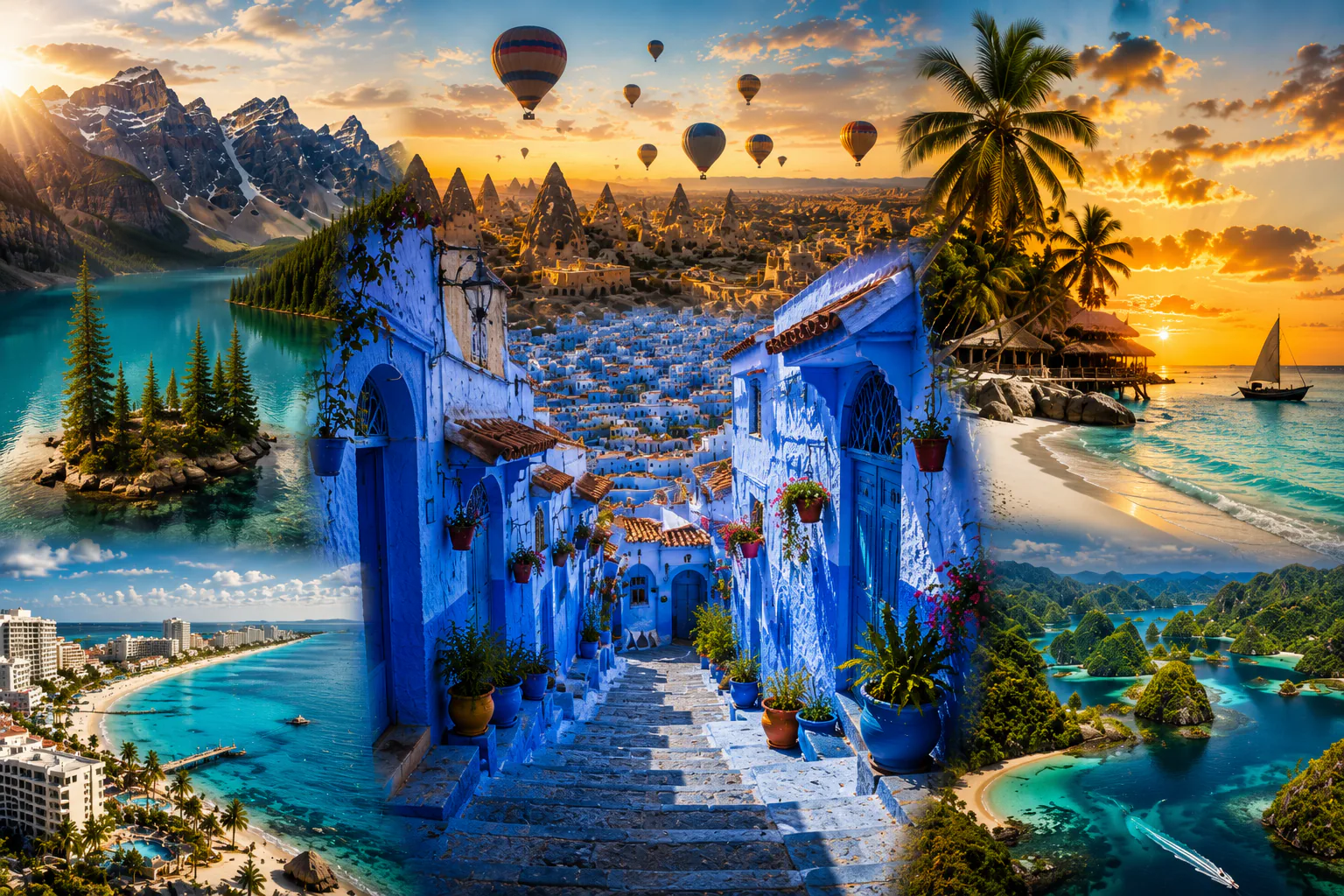
The most rewarding hidden gems to visit in 2026 are not necessarily secret. Some are already known, but they become more meaningful when travelers approach them with timing, respect, and curiosity. Chefchaouen, Zanzibar, Cappadocia, Banff, Cancún, Raja Ampat, El Nido, Madeira, Sossusvlei, and Kotor all offer a different version of discovery.
The smartest travel choice is not always the least visited place. It is the destination that gives you a reason to slow down, understand where you are, and leave with more than a photograph. For more place-led PRESDA stories, read about Dubai's future cities, Jebel Irhoud and Morocco's human story and the wider Travel archive.
FAQ
Frequently Asked Questions
What are the best hidden gems to visit in 2026?
Some of the best hidden gems to visit in 2026 include Chefchaouen, Zanzibar, Cappadocia, Banff, Cancún beyond the hotel zone, Raja Ampat, El Nido, Madeira, Sossusvlei, and Kotor. Each offers a strong reason to travel, from nature and history to coastal scenery and local culture.
How do I choose underrated places to visit responsibly?
Choose destinations with clear visitor infrastructure, respect local rules, avoid overcrowded times when possible, book local guides or operators, and spend enough time for the trip to benefit more than one photo stop.
Are hidden travel destinations cheaper than famous cities?
Not always. Some hidden or remote destinations can be expensive because access, conservation rules, or limited accommodation raise costs. The value is usually in the quality of the experience, not guaranteed lower prices.
When should I book travel for these destinations?
For remote islands, protected parks, and seasonal outdoor destinations, book early and confirm local conditions before finalizing plans. Weather, park access, transport, and conservation rules can shape the best itinerary.
PRESDA Dispatch
Stay Informed. Stay Aware.
A sharp briefing across AI, gaming, sport, business, world affairs, paparazzi, and lifestyle.