World Cup 2026 Sponsors: The Official Brands Behind FIFA's Biggest Stage
A clear guide to the official FIFA World Cup 2026 sponsors, global partners, supporters, suppliers, and the commercial ecosystem around the tournament.
The FIFA World Cup 2026 sponsors story is bigger than logos on boards. The tournament in Canada, Mexico and the United States is a commercial platform for mobility, payments, travel, consumer goods, technology, media, hospitality, finance, food, beverage, logistics and fan experience.
Search interest around World Cup 2026 sponsors, FIFA World Cup 2026 sponsors and World Cup 2026 brands usually has one question underneath it: which companies are officially connected to the tournament, and what do those partnerships actually mean?
The answer starts with FIFA's sponsorship structure. FIFA lists different categories of commercial affiliates, including FIFA Partners, FIFA World Cup Sponsors, FIFA World Cup Sponsor Plus, Tournament Supporters and suppliers. These tiers are not interchangeable. A FIFA Partner has broad global rights across FIFA competitions and activities, while a FIFA World Cup Sponsor is connected to a specific edition of the tournament.
For more tournament context, read PRESDA's World Cup 2026 Countdown, the wider Sport coverage, and our business analysis of the world's most valuable companies in 2026.
Official FIFA Partners For World Cup 2026
FIFA's global partner list for the 2026 cycle includes adidas, Aramco, Coca-Cola, Hyundai and Kia, Lenovo, Qatar Airways, Visa and ADI Predictstreet. These brands sit at the highest global level of FIFA's commercial ecosystem, with rights that go beyond a single host city or one activation.
The partner mix shows what the modern World Cup needs to operate and sell itself globally. adidas connects the tournament to football product and match-ball heritage. Coca-Cola brings long-running beverage and fan-experience presence. Hyundai and Kia sit in mobility. Qatar Airways connects the event to global travel. Visa owns a central payments role. Aramco represents energy. Lenovo adds technology. ADI Predictstreet reflects FIFA's move into newer digital prediction and fan-engagement products.
FIFA World Cup Sponsors And Tournament Supporters
Beyond FIFA Partners, the 2026 tournament has official World Cup sponsors and supporters with defined category rights. Bank of America was announced by FIFA as the Official Bank Sponsor of FIFA World Cup 26. Verizon was named Official Telecommunication Services Sponsor for FIFA World Cup 26. Hisense was confirmed as an Official Sponsor of FIFA World Cup 26. FIFA also lists additional commercial announcements for supporter and supplier roles connected to the tournament.
These roles matter because World Cup operations are enormous. Official partners and sponsors can support payments, ticketing, connectivity, travel, screens, fan zones, host-city activity, hospitality, banking, logistics and retail. The visible brand moment on match day is only one part of the relationship.
Why Sponsorship Tiers Matter
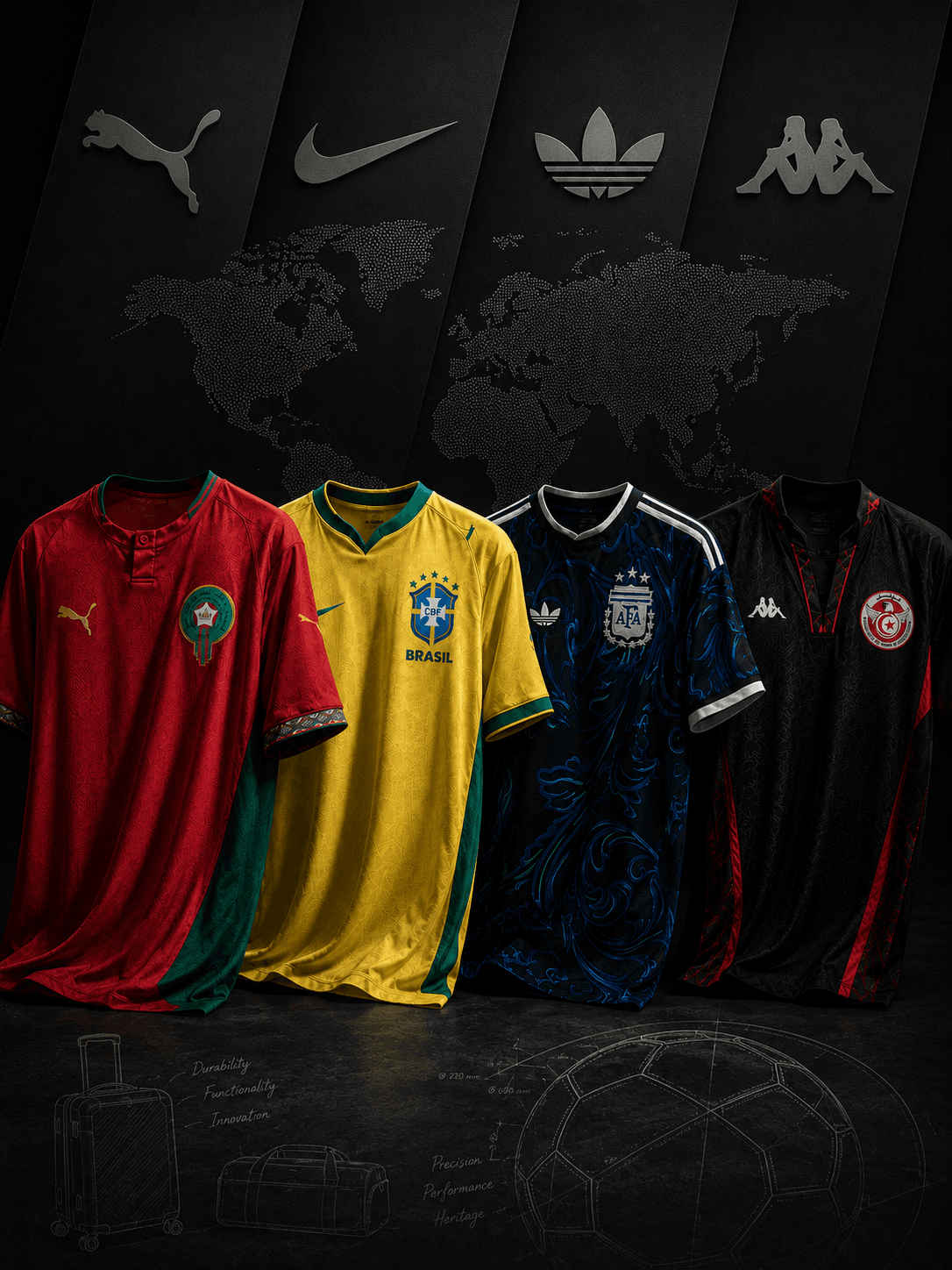
The phrase World Cup 2026 brands can be misleading because it can include very different types of companies. A kit supplier for a national team is not automatically a FIFA sponsor. A stadium naming-rights partner is not automatically an official tournament partner. A local activation brand may have regional rights, while a FIFA Partner can have global rights across FIFA activity.
That distinction matters for readers, marketers and fans. Official FIFA rights determine which brands can use tournament marks, activate in official spaces and associate directly with the FIFA World Cup. Unofficial brands can still advertise around football culture, but they do not have the same rights package.
Payments, Banking And Fan Spending
Payments and banking are central to the 2026 commercial ecosystem because the tournament stretches across three countries and 16 host cities. Visa is FIFA's Official Payment Technology Partner, and FIFA has described Visa as the exclusive way to pay during the first ticket-sales phase. Bank of America adds a major banking role for the tournament, especially in the United States market.
This part of the sponsor map is about more than transaction processing. It connects ticketing, hospitality, cardholder promotions, fan travel, city spending and community programs. The World Cup is a sporting event, but it is also a temporary economy.
Travel, Mobility And Connectivity
A three-country World Cup depends heavily on movement. Qatar Airways is FIFA's Global Airline Partner through 2030, while American Airlines has been announced as an Official North American Airline Supplier for FIFA World Cup 26 in connection with Qatar Airways. Hyundai and Kia bring the mobility category into the global partner layer.
Connectivity is just as important. FIFA named Verizon the Official Telecommunication Services Sponsor for FIFA World Cup 26, describing a role around stadiums, official sites and tournament operations. In a tournament built for live video, mobile ticketing, media work and fan sharing, network infrastructure becomes part of the matchday experience.
Technology, Screens And Digital Products
Technology sponsors shape how fans experience the World Cup before, during and after matches. Lenovo is listed by FIFA among its partners, while Hisense's Official Sponsor role focuses on display technology and fan experience. ADI Predictstreet adds a newer layer through prediction-market and forecasting engagement.
This reflects a wider shift in sports marketing. The World Cup is no longer only a broadcast product. It is also an app experience, a highlights ecosystem, a ticketing flow, a retail channel, a data operation and a social-media engine.
Food, Beverage And Everyday Fan Culture
Food and beverage brands remain central because World Cup fandom is social. Coca-Cola's FIFA relationship is one of the longest-running in world sport and includes the FIFA World Cup Trophy Tour by Coca-Cola. McDonald's, Michelob Ultra, Lay's and other announced commercial affiliates appear in FIFA's 2026 commercial activity around fan engagement, host-city events or sponsor roles.
These brands matter because many fans experience the World Cup away from the stadium: at public viewing sites, restaurants, homes, watch parties, retail promotions and social campaigns. The sponsor ecosystem follows the fan, not only the match.
The Commercial Ecosystem Around World Cup 2026
The 2026 World Cup is expected to be the largest edition of the men's tournament by structure, with 48 teams and 104 matches across Canada, Mexico and the United States. That scale creates a bigger commercial map than previous editions: more host cities, more travel paths, more venues, more official sites and more fan touchpoints.
For sponsors, the opportunity is attention with context. A brand is not only buying visibility. It is trying to attach itself to emotion: national pride, matchday rituals, travel memories, family viewing, digital conversation and the global language of football.
What Fans Should Remember
The safest way to understand World Cup 2026 sponsors is to separate official FIFA relationships from broader football marketing. Official FIFA Partners and sponsors have defined rights through FIFA. National-team kit makers, stadium partners, broadcasters, creators and unofficial advertisers may still be part of the surrounding commercial story, but they are not the same thing.
That difference protects accuracy. It also makes the sponsor landscape more interesting. The World Cup is not one brand list. It is a layered commercial system built around football's biggest global stage.
FAQ
Frequently Asked Questions
Who are the official FIFA Partners for World Cup 2026?
FIFA's partner list for the 2026 cycle includes adidas, Aramco, Coca-Cola, Hyundai and Kia, Lenovo, Qatar Airways, Visa and ADI Predictstreet.
Is every World Cup 2026 brand an official FIFA sponsor?
No. A brand can advertise around football, supply a national team kit, hold stadium rights, or run unofficial campaigns without being an official FIFA commercial partner. Official status depends on FIFA's sponsorship rights and category.
What is the difference between a FIFA Partner and a World Cup Sponsor?
FIFA describes a FIFA Partner as the top tier with broad global rights across FIFA competitions and activities. A FIFA World Cup Sponsor has global rights connected to a specific edition of the tournament.
Is Bank of America an official World Cup 2026 sponsor?
Yes. FIFA announced Bank of America as the Official Bank Sponsor of FIFA World Cup 26 and described it as FIFA's first global sponsor in the banking category.
Why do sponsors matter to World Cup 2026?
Sponsors support the commercial and operational ecosystem around the tournament, including fan experiences, ticketing, payments, mobility, technology, hospitality, connectivity and official activations.
PRESDA Dispatch
Stay Informed. Stay Aware.
A sharp briefing across AI, gaming, sport, business, world affairs, paparazzi, and lifestyle.