THE LAST DANCE: FOOTBALL'S GREATEST GENERATION
Messi, Ronaldo, Neymar, Modric, Benzema, Suarez, Lewandowski, Kroos, Neuer and Ramos defined a football generation shaped by records, rivalries, tactics, trophies and global media.
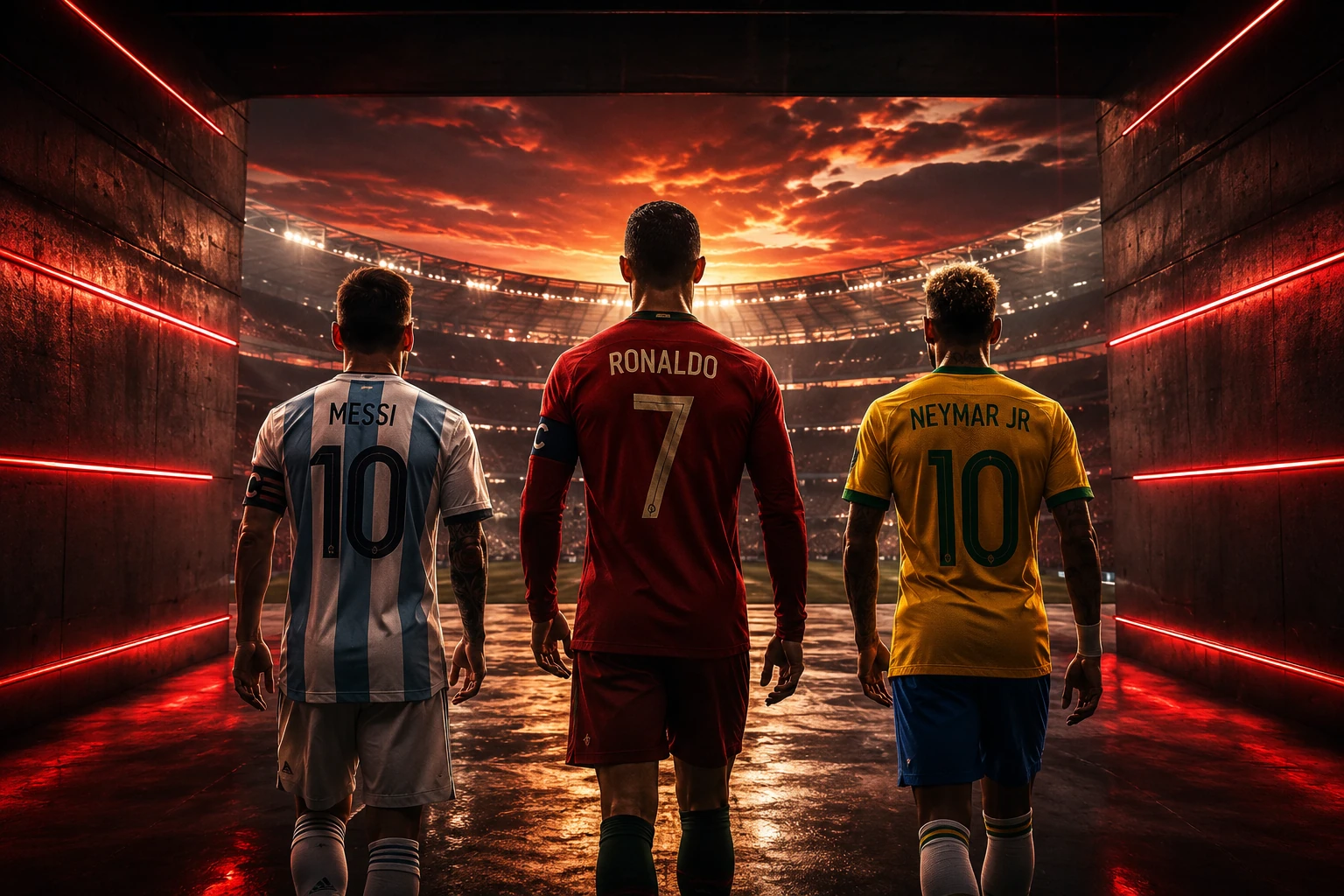
Every football era has stars. Very few have a whole weather system. From the mid-2000s to the mid-2020s, football lived inside one of the most concentrated periods of individual greatness the sport has ever seen: Lionel Messi and Cristiano Ronaldo at the center, Neymar as the era's most magnetic artist, Luka Modric and Toni Kroos controlling time, Karim Benzema, Luis Suarez and Robert Lewandowski redefining elite forward play, Manuel Neuer changing the goalkeeper's job, and Sergio Ramos turning central defending into theatre, leadership and late goals.
Calling it football's greatest generation is an argument, not a scientific fact. Pele, Johan Cruyff, Diego Maradona, Franz Beckenbauer, Zinedine Zidane, Ronaldo Nazario and Ronaldinho all belong to older legends' rooms. But the Messi-Ronaldo generation is historically special because it combined peak talent, longevity, tactical revolution, Champions League dominance, World Cup drama, social media scale and commercial power in a way no earlier generation could replicate.
This article uses verified records where they are stable and explains methodology where statistics differ. Career goal totals, for example, can vary by source because databases classify friendlies, youth matches, regional cups and abandoned competitions differently. Ballon d'Or wins, Champions League goals, World Cup titles and official major trophies are clearer.
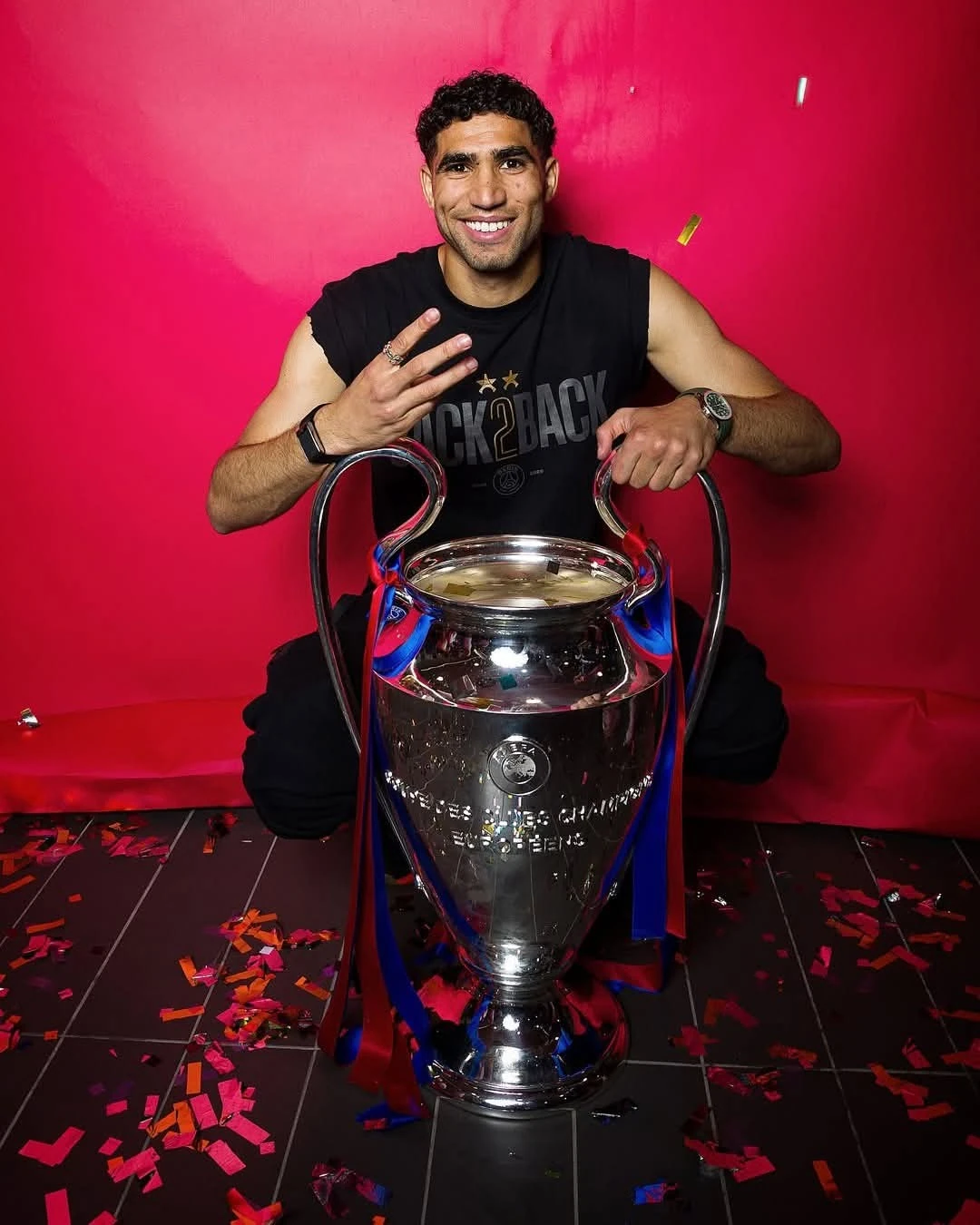
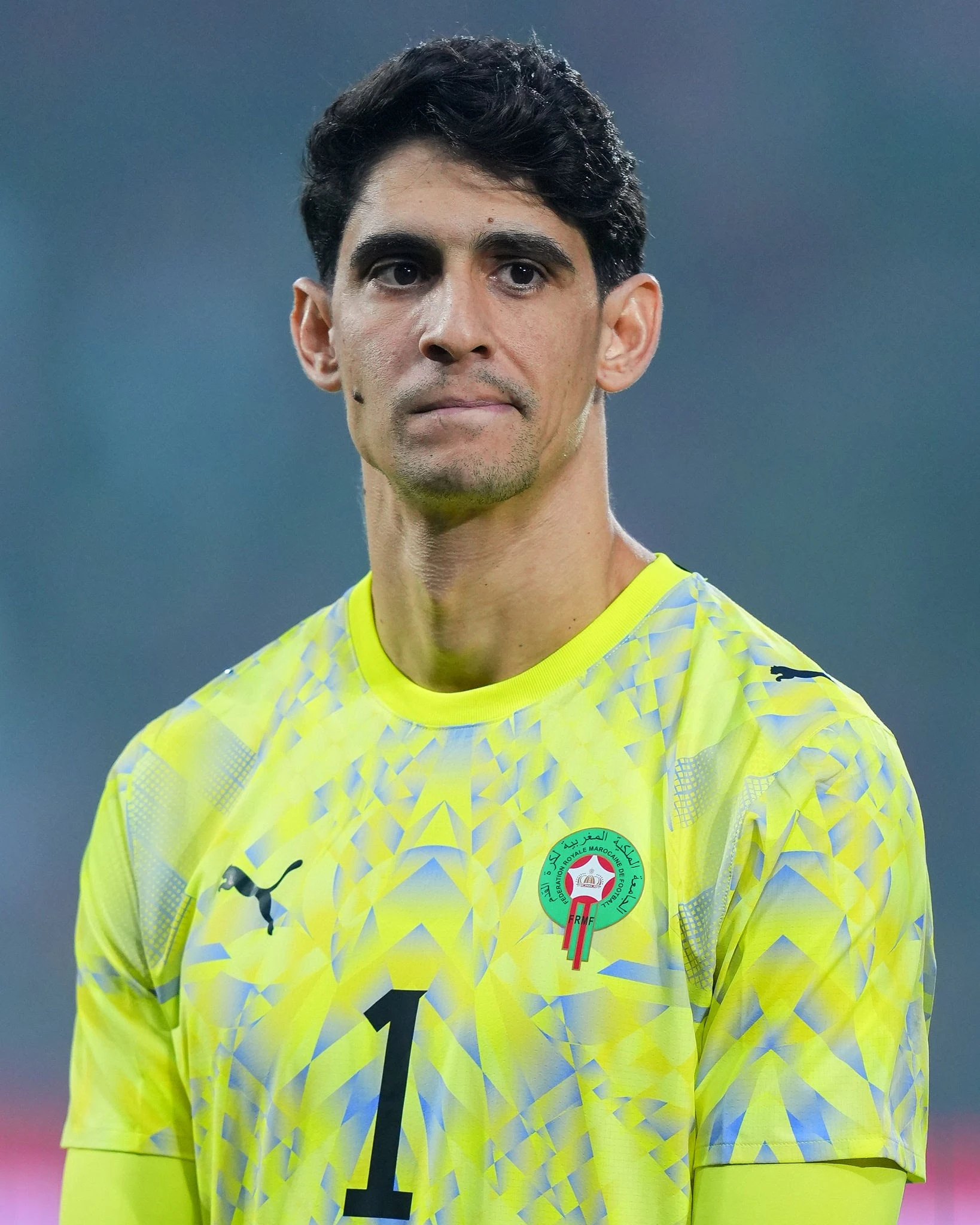
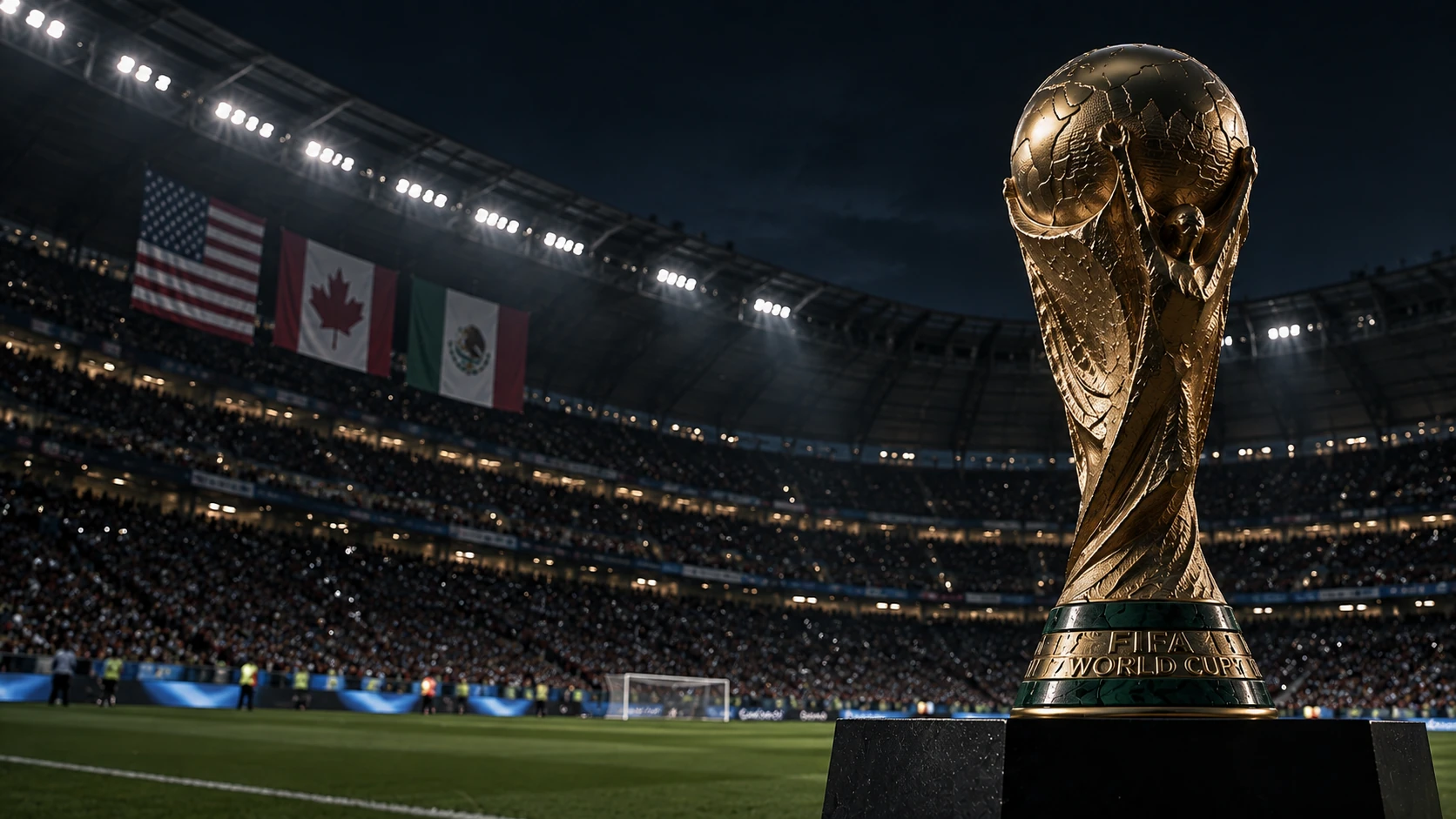
For wider PRESDA football context, read our analysis of FIFA World Cup 2026 records and economic impact, the story of Achraf Hakimi's Morocco career, Yassine Bounou's goalkeeper legacy and our Sport coverage.
Why The Mid-2000s To Mid-2020s Felt Different
The football greatest generation debate starts with timing. The period from roughly 2005 to 2026 sits between two versions of the sport. It began in an age still shaped by broadcast television, print mythology and club identity. It ended in a game ruled by social video, global streaming, data departments, super-club academies, player brands and tactical systems that can travel around the world in a week.
The players who dominated that bridge had to adapt constantly. Messi went from a right-sided teenage dribbler to a false nine, a playmaker, a World Cup captain and a late-career controller. Ronaldo moved from elastic winger to penalty-box machine, then into a veteran scorer built around movement and timing. Modric and Kroos survived multiple tactical cycles. Neuer turned goalkeeping into territory control. Ramos became both defender and attacking weapon.
Longevity is the key. Many generations produce a peak. This one produced a decade and a half of repeated peaks. The best football players of the 21st century did not only win once. They returned season after season to the same stages: Champions League semi-finals, Ballon d'Or podiums, World Cup knockouts, Clasico nights, title races and international finals.
Messi Vs Ronaldo: The Rivalry That Defined The Era
The Messi vs Ronaldo era became football's central debate because it had everything: contrasting styles, rival clubs, repeated records and two players who seemed to answer each other across seasons. Messi represented low-center-of-gravity invention, chance creation, dribbling and decision-making in tight spaces. Ronaldo represented vertical power, finishing, aerial dominance, self-reinvention and a competitive mentality that became part of his brand.
Their rivalry was not only Barcelona against Real Madrid, but that setting turned it into global theatre. El Clasico became a live referendum on football taste. One side saw Messi as genius: football compressed into touch, angle and timing. The other saw Ronaldo as willpower: the athlete who built himself into one of history's most complete scorers.
The numbers made the argument last. Messi won a men's-record eight Ballon d'Or awards. Ronaldo won five. UEFA lists Ronaldo as the all-time Champions League top scorer with 140 goals and Messi second with 129. At international level, FIFA and UEFA have repeatedly recognized Ronaldo's men's international scoring record, while Messi completed Argentina's long pursuit of a senior World Cup title in 2022.
| Category | Lionel Messi | Cristiano Ronaldo |
|---|---|---|
| Career senior goals | 850+ confirmed senior goals; exact live totals vary by database | 900+ confirmed senior goals; exact live totals vary by database |
| Ballon d'Or | 8 wins, the men's record | 5 wins |
| Champions League | 4 titles with Barcelona; 129 goals in the competition | 5 titles; all-time Champions League top scorer with 140 goals |
| World Cup | Champion in 2022; Golden Ball in 2014 and 2022 | Five tournaments scored in; no World Cup title |
| Major senior international trophies | World Cup 2022, Copa America 2021 and 2024, Finalissima 2022 | EURO 2016, UEFA Nations League 2019 and 2025 |
| Era-defining record | Most Ballon d'Or wins and a complete club/international trophy arc | All-time men's international goals record and Champions League scoring record |
Ballon d'Or Dominance And Individual Awards
The Ballon d'Or tells the story of the era in one list. Between 2008 and 2023, Messi and Ronaldo won 13 Ballon d'Or awards between them. That level of dominance is unprecedented in the modern men's game. It meant that entire seasons by other legends could still end in second place because the standard at the top was almost absurd.
Modric's 2018 Ballon d'Or mattered partly because it interrupted the Messi-Ronaldo pattern. Benzema's 2022 award mattered because it showed how a player from the same generation could step into the spotlight after years of operating inside another superstar's gravity. The era was not only two names, but the two names set the scale.
Awards are imperfect. They reflect voting, narratives, trophies and timing as well as performance. But over a long period, they still reveal something. This generation created a level of individual consistency that made football feel statistical and mythological at the same time.
Champions League Records And Club Dominance
The Champions League was the cathedral of this generation. Ronaldo's five titles and scoring record, Messi's four titles and Barcelona peak, Modric and Kroos' Real Madrid dynasty, Benzema's late-career takeover, Ramos' final goals and Neuer's Bayern Munich command all belong to the same European story.
Real Madrid's run from 2014 to 2018, including three straight Champions League titles under Zinedine Zidane, is central to the period. Barcelona's 2009 and 2011 teams under Pep Guardiola remain reference points for positional play, pressing, midfield control and Messi's false-nine role. Bayern Munich's 2013 and 2020 teams showed two different versions of German physical and tactical dominance.
The Champions League also made the generation global. Midweek nights in Madrid, Barcelona, Manchester, Munich, Turin and Paris became worldwide appointment viewing. Short clips carried bicycle kicks, solo runs, free-kicks, penalty saves and last-minute headers to fans who might never visit those stadiums.
Major Players Of Football's Golden Generation
A generation is bigger than its two loudest names. Neymar gave the era beauty and volatility. Suarez gave it bite, movement and one of the greatest striker peaks of the 2010s. Lewandowski delivered relentless penalty-box precision. Modric, Kroos, Xavi, Andres Iniesta and Sergio Busquets shaped midfield thinking. Ramos, Gerard Pique, Dani Alves, Marcelo, Philipp Lahm and Thiago Silva defined elite defending in different ways.
Goalkeepers also mattered. Neuer's aggressive starting position changed how teams thought about space behind the defensive line. Gianluigi Buffon bridged older and modern eras. Iker Casillas and Thibaut Courtois had defining Champions League and international moments. The era was not only forwards collecting highlights; it was whole systems being rebuilt around elite specialists.
| Player | Country | Position | Major Trophies | Ballon d'Or | Key Historical Achievement |
|---|---|---|---|---|---|
| Lionel Messi | Argentina | Forward | World Cup, Copa America, Champions League, La Liga, Ligue 1 | 8 | Completed the modern trophy arc and set the men's Ballon d'Or record |
| Cristiano Ronaldo | Portugal | Forward | EURO, Nations League, Champions League, Premier League, La Liga, Serie A | 5 | Set the men's international goals record and Champions League scoring record |
| Neymar | Brazil | Forward | Champions League, Libertadores, Olympic gold, domestic league titles | 0 | Linked Brazilian flair to the social-media superstar era |
| Luka Modric | Croatia | Midfielder | Champions League, La Liga, World Cup runner-up and third place | 1 | Broke the Messi-Ronaldo Ballon d'Or sequence in 2018 |
| Karim Benzema | France | Forward | Champions League, La Liga, Nations League | 1 | Became Real Madrid's post-Ronaldo attacking leader |
| Luis Suarez | Uruguay | Forward | Champions League, Copa America, La Liga, Eredivisie | 0 | One of the era's most complete centre-forwards |
| Robert Lewandowski | Poland | Forward | Champions League, Bundesliga, La Liga | 0 | Defined elite penalty-box scoring across Germany and Spain |
| Toni Kroos | Germany | Midfielder | World Cup, Champions League, La Liga, Bundesliga | 0 | Set the passing rhythm for Germany, Bayern and Real Madrid |
| Manuel Neuer | Germany | Goalkeeper | World Cup, Champions League, Bundesliga | 0 | Redefined the modern sweeper-keeper role |
| Sergio Ramos | Spain | Defender | World Cup, EURO, Champions League, La Liga | 0 | A central defender whose goals and leadership shaped a dynasty |
World Cup Achievements And International Trophies
The World Cup gave the generation its deepest emotional tests. Messi's Argentina lost the 2014 final, then returned years later to win the 2022 World Cup in Qatar, completing the most important gap in his career narrative. FIFA also records Messi as the first player to win the World Cup Golden Ball twice, in 2014 and 2022.
Ronaldo never won the World Cup, but his international career cannot be reduced to that absence. Portugal won UEFA EURO 2016 and the UEFA Nations League in 2019, then added another Nations League title in 2025. Ronaldo also became the first male player to score at five World Cups and continued extending the men's international scoring record.
Modric led Croatia to the 2018 World Cup final and a third-place finish in 2022, winning the 2018 Golden Ball as the tournament's best player. Ramos, Pique, Busquets, Xavi and Iniesta were central to Spain's 2008-2012 run, one of the greatest international cycles in football history: EURO 2008, World Cup 2010 and EURO 2012.
Neymar's Brazil story is more complicated. He won Olympic gold in 2016 and the Confederations Cup in 2013, but injuries and tournament exits kept the senior World Cup dream unresolved. That contrast is part of the era: not every great career receives a neat ending.
Goals, Assists And The Problem Of Counting Greatness
Goals are the simplest comparison and the most seductive trap. Ronaldo's career is the clearest scoring case because official bodies have celebrated his move beyond 900 senior goals and his records in men's international football and the Champions League. Messi's verified senior total is also beyond 850, with elite assist and chance-creation numbers that make goals alone an incomplete measure.
Assists are even more difficult to compare across eras and databases. Some competitions did not track assists consistently. Some sources include deflections, won penalties or secondary assists; others do not. That is why this article treats assists as context, not a single definitive leaderboard.
The real lesson is that Messi and Ronaldo made statistical comparison mainstream. Before them, fans debated greatness mostly through memory, trophies and style. During their era, every league weekend became a spreadsheet argument: goals per game, non-penalty goals, expected goals, assists, dribbles, chances created, knockout goals, free-kicks, weak foot, headers and longevity.
Guardiola, Mourinho And The Coaches Who Shaped The Era
Players made the era visible, but coaches gave it shape. Pep Guardiola's Barcelona changed how elite teams thought about space, pressing, midfield overloads and controlled possession. Jose Mourinho's Inter and Real Madrid pushed the opposite emotional register: transition, defensive organization, confrontation, speed and psychological intensity.
Their rivalry mirrored Messi and Ronaldo. Guardiola's Barcelona gave Messi the perfect technical ecosystem. Mourinho's Madrid hardened Ronaldo's counter-attacking dominance and turned Clasico into a strategic and cultural battle. Later, Carlo Ancelotti, Zinedine Zidane, Jurgen Klopp, Luis Enrique, Diego Simeone, Hansi Flick and others added their own versions of structure, pressing and emotional management.
The tactical changes were enormous. Full-backs became playmakers. Goalkeepers became passers. Wingers became inverted scorers. Forwards became press triggers. Midfielders had to defend, create and control tempo. The greatest football era argument is not only about players; it is about how those players survived repeated tactical revolutions.
Real Madrid Vs Barcelona And El Clasico's Global Peak
No rivalry concentrated the generation like Real Madrid versus Barcelona. In the late 2000s and 2010s, El Clasico became more than a Spanish fixture. It was a global media event with Messi, Ronaldo, Xavi, Iniesta, Busquets, Puyol, Pique, Neymar, Suarez, Benzema, Bale, Modric, Kroos, Ramos, Marcelo and Casemiro all passing through its peak years.
The matches had tactical meaning and celebrity gravity. Barcelona represented academy continuity, positional play and Messi's genius. Madrid represented European power, transition, Ronaldo's hunger and Champions League inevitability. The rivalry produced some of the most watched and debated club matches in modern football.
El Clasico also globalized La Liga. Fans who had no local connection to Spain built identities around Barcelona and Madrid. Shirts, video games, social media clips and Champions League nights turned the rivalry into a language of football allegiance.
Social Media And Football Globalization
This generation became great at the exact moment football became permanently online. Ronaldo and Messi were not only watched; they were clipped, memed, compared, branded and translated into every platform. Neymar's style was perfect for short video. Mbappe and Haaland inherited a football economy already built around instant global distribution.
The commercial effect was huge. Superstar players drove shirt sales, sponsor campaigns, preseason tours, streaming subscriptions, social followings and club valuations. A transfer was no longer only a sporting decision; it could shift attention across continents.
That globalization changed pressure too. A bad performance could become worldwide content within minutes. A teenager could be turned into the next great hope before completing a full season. The Messi-Ronaldo generation created the scale that the next generation now has to survive.
How This Generation Compares With Pele And Maradona Era Legends
Comparing eras is necessary and unfair. Pele played in a different world: fewer global broadcasts, different pitches, different travel, different defensive rules and different club structures. Maradona carried teams through a more physical era with less protection and less sports-science support. Cruyff changed the game's ideas as much as its highlights.
The modern generation had advantages: better medicine, nutrition, data, training, pitches and commercial support. It also faced new pressures: relentless schedules, global scrutiny, tactical analysis, defensive athleticism and the expectation to produce for club and country across multiple competitions every year.
So the strongest claim is not that this generation is objectively greater than every previous one. It is that no generation before it combined verified statistical scale, individual awards, Champions League repetition, international drama, tactical transformation and global digital reach at the same time.
The Transition To Mbappe, Haaland And Lamine Yamal
The next era is already here. Kylian Mbappe and Erling Haaland are not prospects; they are established superstars with elite Champions League and international expectations. Lamine Yamal represents something different: a player raised entirely inside the post-Messi digital football world, where every touch can become a global clip.
Jude Bellingham, Vinicius Junior, Jamal Musiala, Pedri, Florian Wirtz and others are part of the same transition. They inherit better data, bigger platforms and higher expectations. They also inherit a problem: Messi and Ronaldo stretched the definition of normal greatness so far that even extraordinary careers can look unfinished by comparison.
The new generation may not need to copy the old one. Football may become less about two players owning the sport and more about several stars sharing the spotlight across clubs, leagues and national teams. That could be healthier, even if it feels less mythic.
Reasonable Counterarguments
The case against calling this football's greatest generation is serious. Some fans will argue that the Pele era had more World Cup weight, that the Maradona era had more individual burden, that the 1970s and 1980s had richer tactical variety, or that the early 2000s generation with Zidane, Ronaldo Nazario, Ronaldinho, Henry and Maldini was more artistically balanced.
There is also a club-football bias in the Messi-Ronaldo generation. Because the Champions League became the dominant weekly global stage, European club success can overshadow international football, South American leagues, African football, women's football and players outside the richest competitions.
Those counterarguments are healthy. They keep historical analysis honest. The point is not to close the debate. The point is to explain why the mid-2000s to mid-2020s deserve a place near the top of it.
Why Fans Call It The Last Dance
The phrase "The Last Dance" works because fans can feel the era ending before it fully disappears. Messi and Ronaldo are no longer at the center of European club football. Neymar's career has been interrupted by injuries. Modric, Kroos, Ramos, Suarez, Benzema and Lewandowski have already moved into final chapters, retirements or late-career roles.
That does not make the new era weaker. It makes the old one complete. For nearly twenty years, football had a cast of legends who kept returning to the biggest stages and forcing the sport to raise its standards.
The end of an era is not the death of football. It is the moment history finally becomes visible.
Final Word
Football's greatest generation is not a title that can be awarded like a trophy. It is a historical argument built from evidence: Ballon d'Or dominance, Champions League records, World Cup moments, tactical evolution, longevity, social-media reach and the emotional memory of millions of supporters.
Messi and Ronaldo were the center of it, but they were not alone. Neymar, Modric, Benzema, Suarez, Lewandowski, Kroos, Neuer, Ramos and many others gave the era its depth. Together, they made football feel larger, faster, smarter, more global and more intensely watched than ever.
The next generation will create its own language. But the generation now leaving the stage gave modern football its defining vocabulary.
FAQ
Frequently Asked Questions
What is meant by football's greatest generation?
In this article, football's greatest generation refers to the elite group that dominated roughly from the mid-2000s to the mid-2020s, led by Lionel Messi and Cristiano Ronaldo and supported by players such as Neymar, Luka Modric, Karim Benzema, Luis Suarez, Robert Lewandowski, Toni Kroos, Manuel Neuer and Sergio Ramos.
Was the Messi Ronaldo generation the greatest football era ever?
It is a historical argument rather than an objective fact. The Messi-Ronaldo era has an unusually strong case because of Ballon d'Or dominance, Champions League records, World Cup moments, longevity, tactical change and global digital reach.
How many Ballon d'Or awards did Messi and Ronaldo win?
Lionel Messi won eight Ballon d'Or awards, the men's record. Cristiano Ronaldo won five. Together they dominated the award across much of the modern era.
Who scored more Champions League goals, Messi or Ronaldo?
UEFA lists Cristiano Ronaldo as the Champions League's all-time top scorer with 140 goals, ahead of Lionel Messi with 129.
Why was El Clasico so important in this generation?
El Clasico concentrated many of the era's defining figures in one rivalry: Messi, Ronaldo, Neymar, Suarez, Benzema, Modric, Kroos, Ramos, Xavi, Iniesta and others. It turned Barcelona versus Real Madrid into a global football event.
How did tactics change during this era?
The era saw positional play, high pressing, inverted wingers, attacking full-backs, ball-playing goalkeepers and data-led recruitment become central to elite football. Coaches such as Pep Guardiola, Jose Mourinho, Carlo Ancelotti, Jurgen Klopp and Zinedine Zidane shaped that evolution.
Who represents the next football generation?
Kylian Mbappe, Erling Haaland, Lamine Yamal, Jude Bellingham, Vinicius Junior, Jamal Musiala, Pedri and Florian Wirtz are among the players most associated with the next era.
Why do career goal totals differ between sources?
Different databases classify competitions differently. Some include certain friendlies, regional cups or unofficial matches while others count only senior competitive goals, so responsible comparisons should state the method used.
PRESDA Dispatch
Stay Informed. Stay Aware.
A sharp briefing across AI, gaming, sport, business, world affairs, paparazzi, and lifestyle.