José Mourinho Returns To Real Madrid: The Special One's Second Era
José Mourinho is back at Real Madrid, turning old rivalry, tactical memory and modern pressure into one of football's most dramatic second acts.
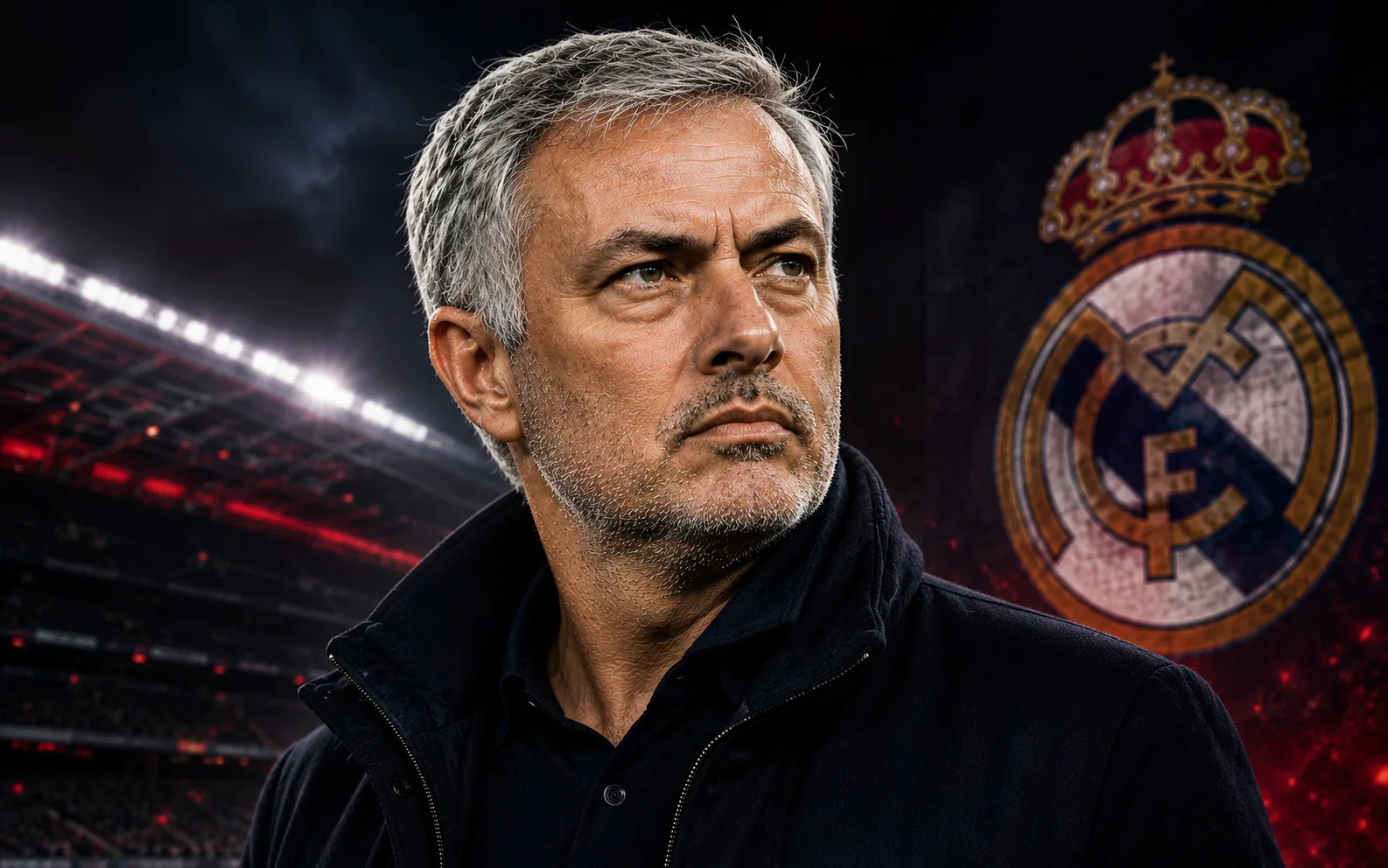
José Mourinho has returned to Real Madrid. On June 11, 2026, the club announced Mourinho as first-team coach for three seasons through June 30, 2029, with Mourinho joining on July 13 for the start of preseason. That makes this more than nostalgia. It is an official second era for one of the most polarizing and successful managers in modern football.
The old Mourinho return-rumor framing is finished. The question now is sharper: can the coach who gave Real Madrid a record-breaking 2011/12 league season, broke into three consecutive Champions League semi-finals and fought Guardiola's Barcelona at peak intensity still build an elite Madrid side in 2026?
This article separates verified history from interpretation. The contract, first-era trophies, 2011/12 record and early 2026/27 start are sourced from Real Madrid, UEFA, LaLiga-era records and reputable reporting. Tactical views are analysis, not invented dressing-room facts. No private transfer rumors, quotes or unsupported internal claims are treated as fact.
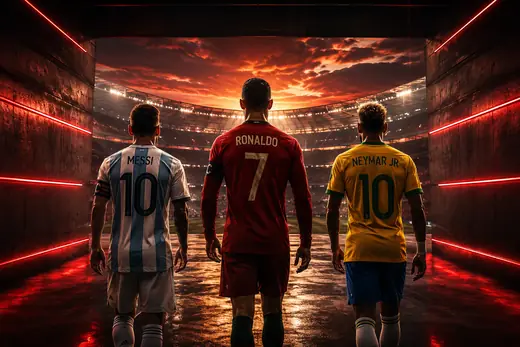
For more PRESDA football context, read Football's Greatest Generation, Xabi Alonso at Chelsea and our wider Sport coverage.
The Official 2026 Real Madrid Return
Real Madrid's official announcement specifies a three-season appointment through June 30, 2029 and a July 13 arrival for preseason. The announcement does not give July 1 as a contract-start date. He returns thirteen years after the end of his first Madrid spell.
The timing matters. Madrid entered the 2026/27 season after a difficult 2025/26 managerial cycle and renewed pressure to respond to Barcelona's domestic strength. Mourinho's appointment was not only a coaching decision. It was a signal: Madrid wanted authority, experience and a manager who understands the Bernabéu's emotional temperature.
A second Mourinho era is also a test of memory. Supporters remember the 100-point title, the intensity, the counter-attacks and the feeling that Madrid could confront Barcelona directly. They also remember the conflict, the fatigue and the fact that the Champions League did not arrive under him. Both memories are part of the job he has inherited.
Mourinho's First Real Madrid Era: 2010-2013
Mourinho arrived at Real Madrid in 2010 after winning the treble with Inter Milan. Madrid's need was obvious: Barcelona, led by Pep Guardiola, had become the tactical and emotional reference point in world football. Mourinho was hired to make Madrid harder, sharper and more confrontational.
His first season delivered the Copa del Rey, won against Barcelona. It did not make Madrid Spain's dominant force immediately, but it changed the feeling of the rivalry. Mourinho's side could suffer, counter, compete and turn Clásico matches into psychological contests rather than exhibitions of Barcelona control.
The peak came in 2011/12. Real Madrid won LaLiga with 100 points and 121 goals, numbers that still define the Mourinho-Madrid argument. Real Madrid's own history describes that season as one in which the team surpassed previous records for goals, wins, away wins and points. Cristiano Ronaldo was the leading symbol of that side, but the whole team was built for speed: Özil's passing, Di María's carry, Benzema and Higuaín's movement, Xabi Alonso's distribution, Ramos and Pepe's aggression.
| Season | LaLiga Finish | Points | League Goals | Champions League | Domestic Cups |
|---|---|---|---|---|---|
| 2010/11 | 2nd | 92 | 102 | Semi-finals | Won Copa del Rey; Supercopa runner-up |
| 2011/12 | 1st | 100 | 121 | Semi-finals | Copa del Rey quarter-finals; Supercopa runner-up |
| 2012/13 | 2nd | 85 | 103 | Semi-finals | Won Supercopa de Espana; Copa del Rey runner-up |
The Cristiano Ronaldo Era
Mourinho's Madrid cannot be separated from Cristiano Ronaldo. Ronaldo was already a superstar when Mourinho arrived, but the 2011/12 team gave him a devastating platform. Madrid could defend deep, win the ball, find Özil or Alonso quickly and release Ronaldo into space before opponents could reset.
That style fit Ronaldo's athletic prime. He attacked the left channel, arrived in the box, finished transitions and turned half-chances into league-table pressure. Mourinho's Madrid made vertical football feel modern, not crude. It was not possession for possession's sake. It was possession, pressure and speed arranged around the most explosive forward in Europe.
The Ronaldo era also shaped Mourinho's legacy because it put Madrid back into the late Champions League conversation. UEFA has noted that Mourinho took the club to three straight semi-finals after years of frustration in earlier knockout rounds. The European trophy did not come, but the club's continental fear factor returned.
Mourinho vs Guardiola And Barcelona
The Mourinho-Guardiola rivalry was more than two coaches arguing about football. It was a clash of systems, media identities and emotional worlds. Guardiola's Barcelona stood for positional possession, academy continuity and suffocating control. Mourinho's Madrid stood for intensity, psychological warfare, transition speed and refusal to accept Barcelona's moral ownership of the game.
That rivalry made El Clásico feel global in a new way. Every match became a referendum: possession versus transition, Messi versus Ronaldo, Guardiola's collective machine versus Mourinho's combative elite structure. The football could be brilliant, but the atmosphere was often exhausting.
Mourinho's achievement was not that he made Madrid universally loved. He made Madrid dangerous again in a period when Barcelona looked close to untouchable. His cost was emotional. By 2013, the project had produced trophies and records, but also friction and fatigue.
Trophies And Major Records
Mourinho's first Madrid spell produced three major domestic trophies: the 2010/11 Copa del Rey, the 2011/12 LaLiga title and the 2012 Spanish Super Cup. The trophy count was not enormous by Real Madrid standards, but the records gave the era its lasting weight.
The 2011/12 league season remains the centerpiece. One hundred points, 121 goals and 32 wins turned the side into one of the most productive league teams in European football history. The numbers mattered because they were achieved against a Barcelona team still close to its peak.
| Item | Season | Verified Detail | Why It Mattered |
|---|---|---|---|
| Copa del Rey | 2010/11 | Real Madrid beat Barcelona in the final | Ended the club's Copa del Rey wait and showed Madrid could beat Guardiola's Barcelona in a final |
| LaLiga title | 2011/12 | 100 points and 121 goals | Real Madrid's official history describes it as a historic record-breaking league season |
| Total league wins | 2011/12 | 32 wins | Real Madrid says the team surpassed the previous mark for total wins |
| Away league wins | 2011/12 | 16 away wins | A symbol of Mourinho's counter-attacking road strength |
| Spanish Super Cup | 2012 | Won against Barcelona | His final trophy of the first Madrid era |
| Champions League pattern | 2010/11-2012/13 | Three consecutive semi-finals | UEFA noted Mourinho restored Madrid to the latter stages after years of round-of-16 exits |
Why Mourinho Left In 2013
Mourinho left Real Madrid in 2013 by mutual agreement after three seasons. Real Madrid did not present the departure as a scandal in its official language, but the broader context was clear: the team had not won the Champions League, Barcelona remained a fierce reference point, and internal pressure around Mourinho's methods had grown.
The fairest reading is balanced. Mourinho raised Madrid's competitive level, won major trophies and built a historic league side. He also left behind a project that had become emotionally heavy. His management style can generate fierce belief, but it can also consume the room.
That duality is why the 2026 return is so compelling. Madrid are not bringing back a neutral technician. They are bringing back a manager whose strengths and risks are unusually visible.
Career After Madrid
After leaving Real Madrid, Mourinho returned to Chelsea and won another Premier League title. He then managed Manchester United, Tottenham Hotspur, Roma and Fenerbahçe before Madrid brought him back in 2026. Each stop added evidence to both sides of the Mourinho debate.
At Manchester United, he won the Europa League and League Cup but left with debate around style and squad evolution. At Roma, he won the UEFA Europa Conference League, giving the club a European trophy and showing he could still build emotional momentum in knockout football. At Tottenham and Fenerbahçe, the story was more mixed, with results, pressure and fit all part of the conversation.
The post-Madrid years changed Mourinho. The game became faster, more data-driven and more pressing-oriented. Players changed too. Dressing rooms are younger, more global, more commercially powerful and less likely to accept authority purely because of reputation. His second Madrid era must answer whether he has adapted enough.
Tactical Evolution: Mourinho 2010 vs 2026
The 2010 Mourinho is easy to caricature: defensive, combative, transition-heavy. That is too simple. His Madrid scored 121 league goals in 2011/12 because the team was not merely defensive. It was direct, structured and brutally efficient. The defensive platform existed so the attack could explode.
In 2026, Mourinho cannot simply recreate that model. Modern Madrid have different stars, different full-back profiles, different pressing demands and a different opponent landscape. Kylian Mbappé, Jude Bellingham, Vinícius Júnior, Rodrygo and Endrick create enormous attacking possibilities, but the team still needs protection behind those players.
The tactical question is whether Mourinho can build a Madrid that presses with commitment without losing compactness, attacks quickly without becoming predictable, and uses its individual talent without letting the game stretch into chaos.
| Area | 2010-2013 Madrid | 2026 Madrid |
|---|---|---|
| Core challenge | Break Barcelona's domestic dominance and restore Champions League relevance | Rebuild standards after recent trophy disappointment and compete with Barcelona's current cycle |
| Attacking reference | Cristiano Ronaldo, Benzema, Higuain, Ozil and Di Maria powered fast vertical attacks | Mbappe, Bellingham, Vinicius, Endrick, Rodrygo and new attacking profiles give him elite speed and variety |
| Typical structure | Often associated with a 4-2-3-1 built for transitions and compact protection | More flexible, with conservative defensive principles layered onto a squad built for front-foot football |
| Pressing rhythm | Selective pressure, quick exits and aggressive transition moments | Early signs point to greater defensive commitment and intensity, but bigger tests arrive in September |
| Public pressure | Defined by Mourinho vs Guardiola and the Barcelona rivalry | Defined by whether an older Mourinho can still organize a superclub in a faster, more scrutinized game |
| Main risk | Conflict, emotional overload and Champions League semi-final frustration | If control becomes too cautious, Madrid's attacking talent and supporter expectation may pull against the project |
Real Madrid's 2026/27 Start
Real Madrid's early 2026/27 start under Mourinho has been positive but still early. Real Madrid's own first-team coverage on September 1, 2026 described Mourinho's side preparing for the fourth round of LaLiga and highlighted ten goals in three league matches. That is enough to show momentum without pretending September has already answered the season.
The danger is reading too much too soon. August and early September results can establish belief, but they do not prove a season. Madrid's calendar will bring Champions League pressure, squad rotation, injuries, media scrutiny and the recurring question of whether Mourinho's football can satisfy both the scoreboard and the Bernabéu's expectations.
Early tactical signs point toward quicker vertical attacks and renewed emphasis on emotional intensity. That may suit Madrid's attacking speed. The concern is whether elite opponents can force the team deep for too long or isolate the midfield when Madrid chase transitions.
Current Squad And Tactical Setup
Madrid's 2026 squad gives Mourinho tools his first Madrid side did not have, but also problems his first Madrid side did not face. Mbappé offers central and left-channel threat. Vinícius brings one-versus-one disruption. Bellingham can arrive from midfield, press, carry and connect. Endrick adds youth and penalty-box instinct. The attack has enough talent to overwhelm teams even when the structure is imperfect.
The midfield and defensive balance are more delicate. Mourinho sides need clear protection zones. If the full-backs push high and the forwards stay advanced, the midfield has to cover large spaces. If the midfield sits too deep, Madrid can lose control and depend on individual breaks. The best version of the second era will need a compromise between modern front-foot pressure and Mourinho's instinct for secure defensive spacing.
This is where his tactical evolution matters. A 2026 Madrid side cannot live only on old counter-attacking memory. It has to press, build, rest-defend and manage long possession spells. Mourinho does not need to become Guardiola. He needs to make Madrid modern without losing the sharpness that made his first team terrifying.
Can Mourinho's Second Era Succeed?
The case for success starts with authority. Mourinho knows Real Madrid, understands the club's pressure and has managed dressing rooms filled with superstars. He also brings instant emotional clarity. Players and supporters know what his teams are supposed to represent: competitiveness, concentration, edge and refusal to drift.
The second reason is squad fit. Madrid's speed and attacking power can suit Mourinho if the team builds enough protection behind the ball. The presence of forwards who can decide matches quickly gives him a route to high-level knockout football.
The risks are just as real. Mourinho's methods depend on emotional buy-in. If results dip, the same intensity that creates unity can create tension. Madrid's supporters may accept pragmatic periods if trophies follow, but they are less patient with caution that does not produce control.
There is also the broader football question: has Mourinho's model evolved enough for 2026? The best managers now blend pressing, positional play, set-piece detail, data analysis, rotation and individual freedom. Mourinho has never lacked intelligence. The challenge is not whether he understands football. It is whether his management ecosystem can stay fresh across a three-year deal.
Mourinho's Real Madrid Legacy
Mourinho's Madrid legacy is complicated because it resists a single verdict. He did not win the Champions League. He did not leave behind calm. But he did break Barcelona's domestic grip, delivered one of the greatest league seasons in Spanish football history and returned Madrid to the Champions League semi-final stage.
His first Madrid side gave supporters a feeling: that Madrid could punch back at the most celebrated team in the world and do it with force. That feeling matters in a club built on power, expectation and European self-image.
The second era will not erase the first. It will reinterpret it. If Mourinho wins again, the 2010-2013 years may look like unfinished preparation. If the project cracks, the return may confirm why some stories are more powerful in memory than in repetition.
Final Word
José Mourinho's Real Madrid return is one of football's rare second acts that is not only about nostalgia. It is about whether an iconic coach can translate old strengths into a changed sport.
The facts are strong enough to make the story huge: official three-year contract, historic first-era records, an early 2026/27 lift and a squad full of world-class attacking talent. The questions are just as strong: tactical adaptation, dressing-room durability, Champions League pressure and whether the Bernabéu will embrace Mourinho's football if the emotional temperature rises again.
The Special One is back. Real Madrid, as always, will ask for more than theatre. It will ask for trophies.
FAQ
Frequently Asked Questions
Has José Mourinho returned to Real Madrid?
Yes. Real Madrid officially announced José Mourinho's return as first-team coach on June 11, 2026, for three seasons through June 30, 2029. The club said he would join on July 13 for preseason.
When was Mourinho first Real Madrid manager?
Mourinho first managed Real Madrid from 2010 to 2013. His first era produced the Copa del Rey, LaLiga and Spanish Super Cup.
What was Mourinho's best Real Madrid season?
The 2011/12 season was Mourinho's defining Madrid campaign. Real Madrid won LaLiga with 100 points and 121 goals, a record-breaking league performance.
Did Mourinho win the Champions League with Real Madrid?
No. Mourinho led Real Madrid to three consecutive Champions League semi-finals, but the club did not win the competition during his 2010-2013 spell.
Why did Mourinho leave Real Madrid in 2013?
Mourinho left by mutual agreement after three seasons. The broader context included Champions League frustration, Barcelona rivalry pressure and a project that had become emotionally intense.
How is Mourinho's 2026 Real Madrid different from 2010?
The 2010 Madrid project was built around breaking Guardiola's Barcelona and maximizing Cristiano Ronaldo-era transitions. The 2026 project requires adapting Mourinho's defensive control to a faster, more pressing-oriented game and a new attacking core.
Can Mourinho's second Real Madrid era succeed?
It can if Madrid's squad buys into his structure and the football balances defensive authority with the attacking talent of Mbappé, Vinícius, Bellingham, Rodrygo and Endrick. The risks are pressure, tactical adaptation and emotional fatigue.
PRESDA Dispatch
Stay Informed. Stay Aware.
A sharp briefing across AI, gaming, sport, business, world affairs, paparazzi, and lifestyle.