Chile's Marble Caves: Nature's Blue Masterpiece
Explore the Marble Caves on Lake General Carrera: how they formed, why they glow blue, access from Puerto Río Tranquilo and responsible travel tips.
Image supplied for PRESDA. Light, water levels and lake conditions change the appearance and accessibility of the formations.
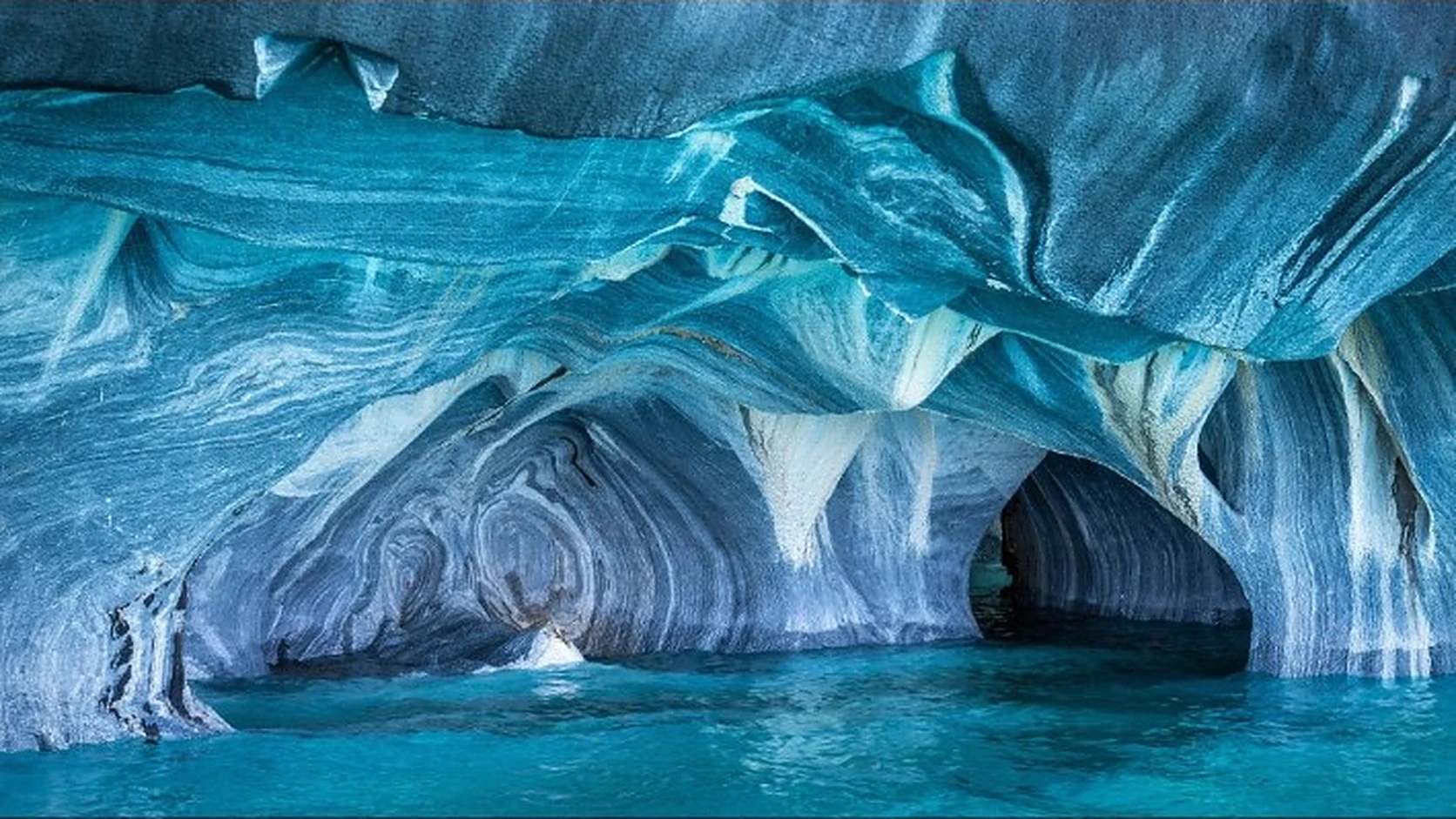
Chile's Marble Caves are water-sculpted formations on Lake General Carrera in the Aysén region of Patagonia. Their pale, veined walls and reflected turquoise light create the celebrated blue appearance. They are freshwater lake formations, not ocean caves, and visits normally begin around Puerto Río Tranquilo. Chile Travel: location and access
The appeal lies in the meeting of two surfaces. Rock holds a record of slow change; water moves across it from moment to moment. A boat's changing angle can turn a dark opening into a luminous chamber. The photograph is only one arrangement of light, water and stone, which is why the visit requires flexibility as well as a camera.
What are the Capillas de Mármol?
The name commonly covers the Marble Chapel, Marble Cathedral and associated caverns. Chile's national monuments authority records the site as a nature sanctuary, designated in 1994. It is a protected geological landscape rather than a constructed attraction with a permanently accessible interior. Consejo de Monumentos Nacionales
Names such as chapel and cathedral describe resemblance, not human construction. Columns and arches invite architectural comparisons, but no mason designed their openings. Approaching them as geology changes the questions worth asking: what material is present, where is water acting, and how does the lake level affect what can be seen?
How did water sculpt solid marble?
The rock and the caves have different histories
Marble forms when pre-existing limestone is transformed by heat and pressure. That transformation is separate from the later erosion that creates a cavern. Chile Travel explains the formations through this distinction: ancient metamorphic rock was subsequently shaped by water over millennia. Chile Travel: geological background
Do not confuse the age of a rock with the age of the empty space inside it. A wall can be much older than the opening beneath it. Nor should a single rounded age in a tourism description be treated as a precisely dated birthday for every cave. The processes overlap, and the landscape continues to change.
The resulting surfaces encourage slow observation. Look for variations in banding, the curve of a roof and the transition between rock above the water and rock near the waterline. These details are more informative than trying to reproduce one famous camera angle while ignoring the rest of the formation.
Why do the caves look blue?
The rock is not uniformly blue. Mineral variations and light reflected from the lake contribute to its appearance. The monuments authority describes predominantly white marble with other tones, while Chile Travel notes that sunlight, water level and suspended glacial sediment influence the view. The color belongs to an interaction, not to a permanent painted surface.
This also explains why two honest photographs can look different. An image made under one set of conditions is not a guarantee for another hour or season. For travel photography, retain detail in the bright water and resist excessive saturation. The quieter grays and whites are part of the scene, not defects to remove.
Getting there: plan the land journey as carefully as the boat trip
Puerto Río Tranquilo lies on the Carretera Austral. Chile Travel identifies Balmaceda as the useful regional air gateway, with onward road travel required. A flight arrival is therefore not arrival at the caves: leave room for the drive, accommodation and the next suitable departure on the lake.
Distances alone are a poor way to budget a Patagonian day. Ask the transport provider for current road conditions and realistic journey time, particularly when connecting with a flight. Avoid building an itinerary around the assumption that the final boat of the afternoon will depart or that the road journey will take exactly the time shown on a map.
Boat or kayak?
Both can provide close views, but they are different activities. A motorboat outing reduces paddling demands; a kayak involves active participation and a guide's assessment of conditions and ability. Ask where the trip starts, which formations are included, how long the water section lasts and what safety equipment is provided.
A regional travel guide hosted by the Centro de Investigación en Ecosistemas de la Patagonia advises fastening lifejackets and following the guide's seating instructions. It also emphasizes warm clothing because wind is common on the lake. These practical details matter more than a promise to reach every opening. Regional Carretera Austral guide
Seasons, weather and booking costs
Choose a travel window, not a guaranteed photograph
The regional guide describes trips throughout the year and greater demand in January and February. Summer planning still requires room for weather changes. Reserve accommodation and discuss departure options ahead of time, but keep a spare window if the caves are a major reason for the journey.
Before paying, ask about wind cancellations, rescheduling, refunds and the minimum group size. Confirm whether the quoted price includes local transfers, equipment and guiding. A ticket for a short boat ride and a package with a longer road transfer are not directly comparable products, even if both use the words “Marble Caves.”
As an indicative booking snapshot checked on 28 October 2026, Tuki lists a classic launch tour from CLP 25,000 and a kayak option from CLP 55,000. These are seller-advertised starting prices, not a regulated entrance fee or a guarantee of availability. Check the final dated offer before purchasing. Tuki's tour listings and price comparison
Visiting a sanctuary without treating it as a backdrop
Choose a formal operator, wear the supplied safety equipment and accept restrictions on entering openings. Keep hands, paddles and belongings from scraping the rock. Do not leave marks, collect fragments or discard anything in the water. A close encounter does not require physical contact with the formation.
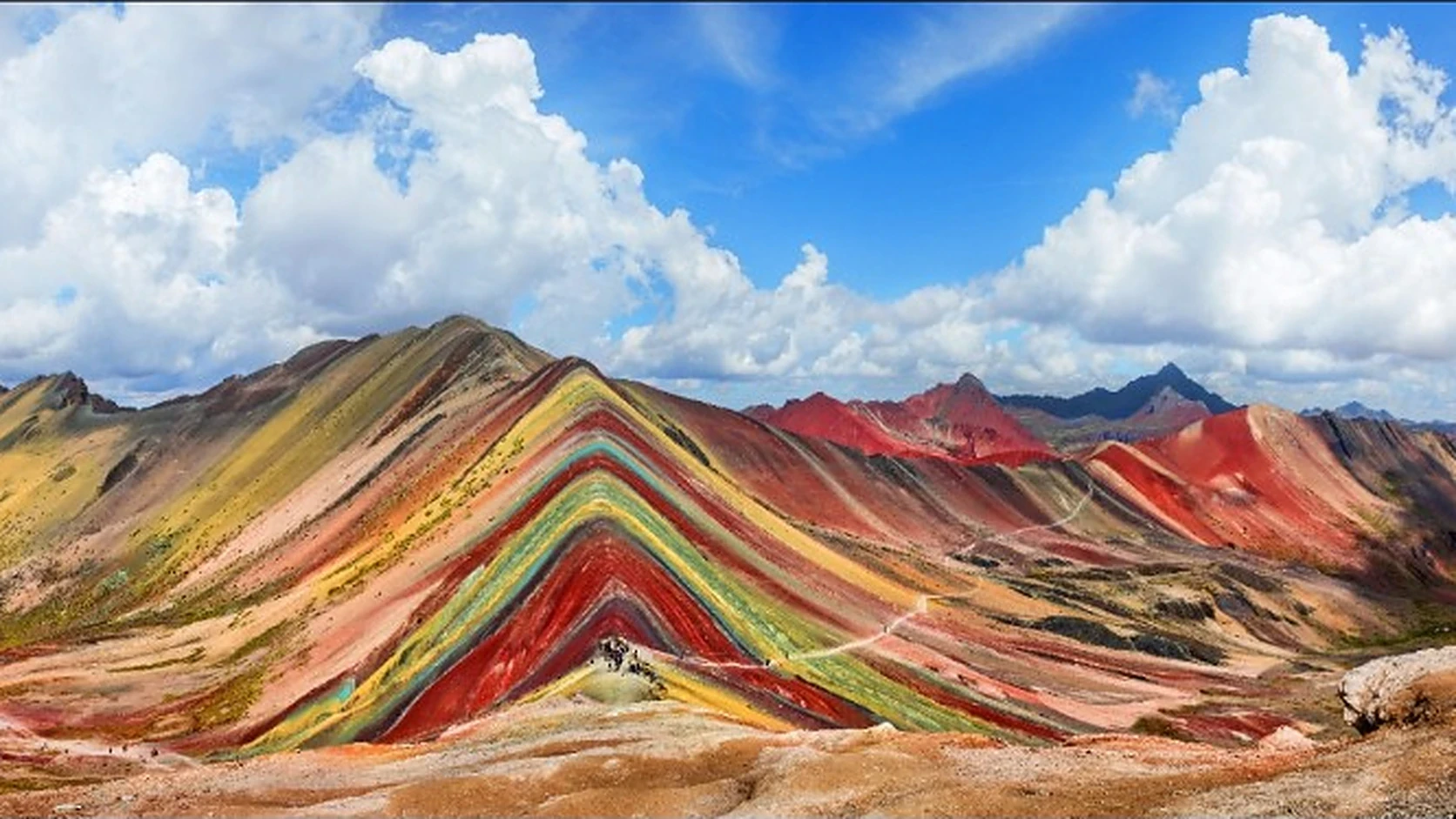
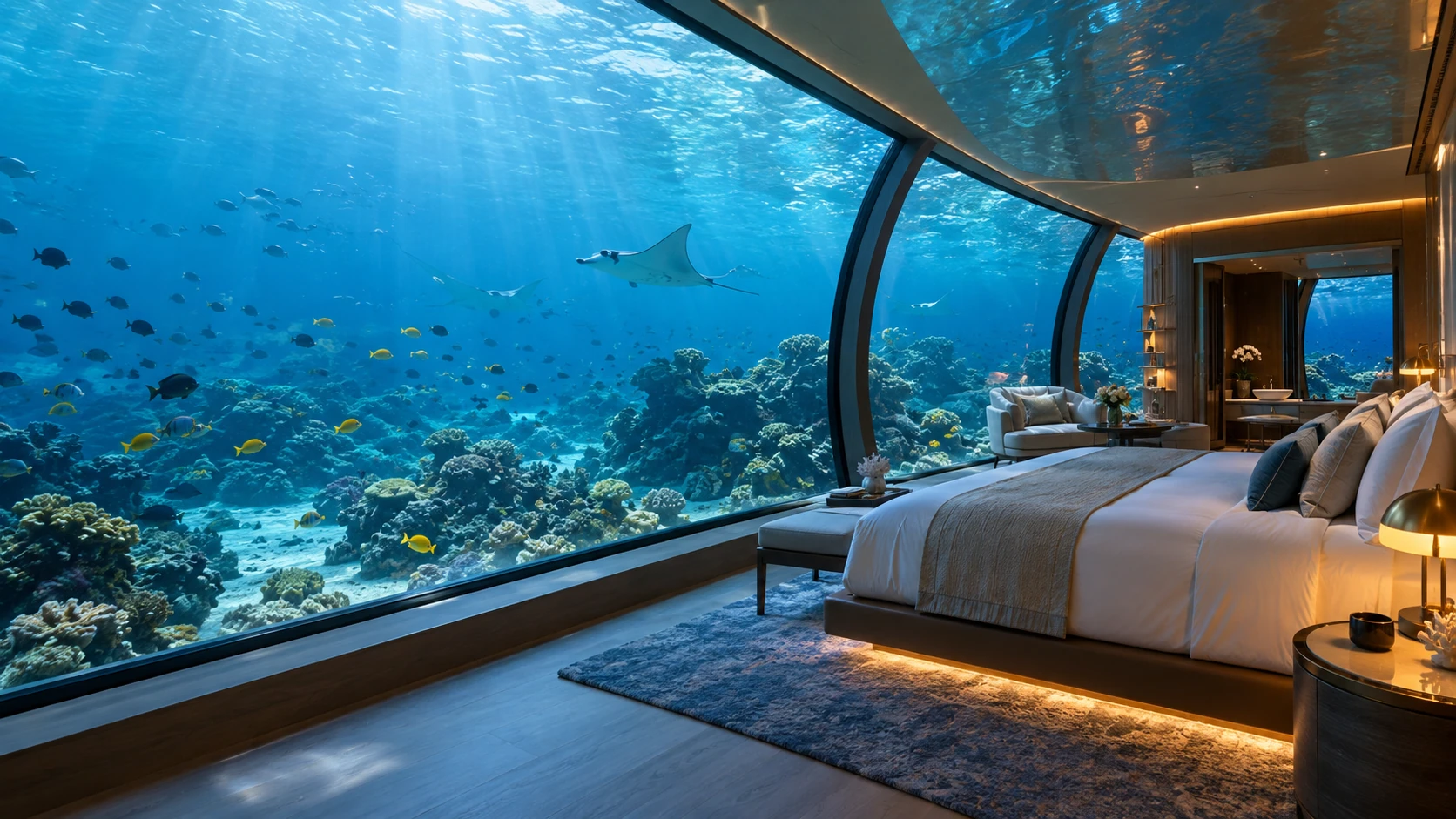
The best itinerary allows the lake to remain a lake: variable, sometimes uncooperative and always larger than the visitor's plans. To compare two very different geological color stories, read about Peru's Rainbow Mountain. For another perspective on looking through water, explore real underwater hotel suites, where architecture mediates the experience rather than the open lake.
FAQ
Frequently Asked Questions
What is this PRESDA article about?
Explore the Marble Caves on Lake General Carrera: how they formed, why they glow blue, access from Puerto Río Tranquilo and responsible travel tips.
Which category does this story belong to?
This story is part of PRESDA's Travel coverage.
Who published this article?
Chile's Marble Caves: Nature's Blue Masterpiece was published by PRESDA Editorial on PRESDA.
PRESDA Dispatch
Stay Informed. Stay Aware.
A sharp briefing across AI, gaming, sport, business, world affairs, paparazzi, and lifestyle.