MILLIONS OF RED CRABS TURN AUSTRALIAN ISLAND ROADS INTO A SEA OF RED
Millions of red crabs cross Australia’s Christmas Island to breed. How rain and tides set the timing and why roads close during the migration.
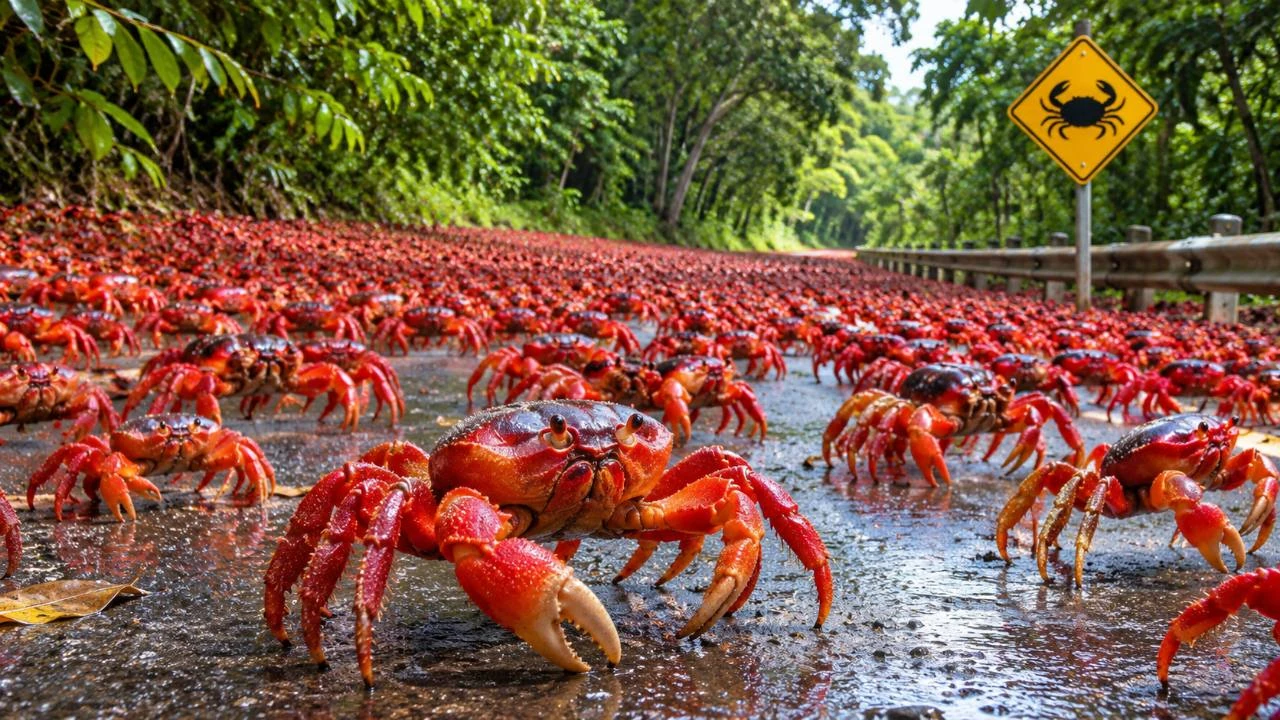
Editorial illustration supplied for PRESDA. See the park’s 2026 footage for documented views.
On Australia’s Christmas Island in the Indian Ocean, a journey that begins in forest burrows can bring traffic to a stop. Millions of Christmas Island red crabs, Gecarcoidea natalis, travel to the sea to breed. Some routes cross paved roads, where the animals can cover the carriageway. Parks Australia scheduled a November 16 livestream for its 2026 coverage. The park describes a population on the order of 100 million, a broad estimate of abundance rather than a headcount of animals on a road. Parks Australia migration guide Parks Australia 2026 livestreams
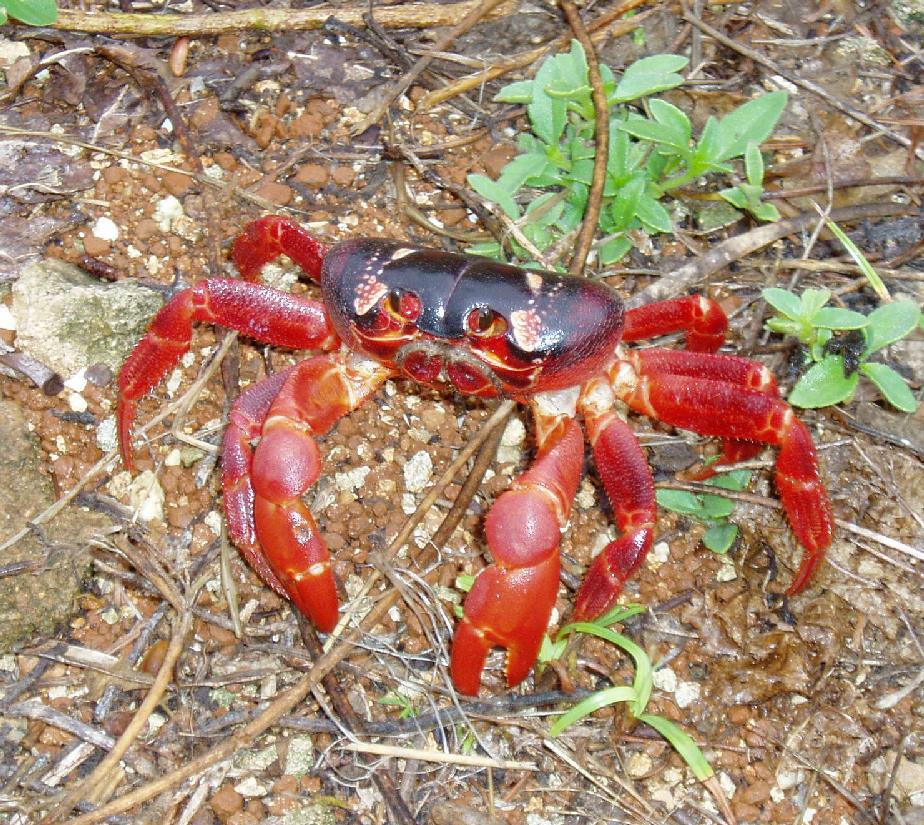
A Christmas Island red crab (Gecarcoidea natalis), photographed on the island in January 2006.
Why red crabs walk from forest to sea
These are land crabs that depend on the ocean to reproduce. The first wet-season rains usually set the migration in motion in October or November, although it can start later. Wet conditions help a creature that spends much of the year in a humid forest make the exposed journey. The road is simply in the way. Crabs are moving toward coastal breeding sites, not seeking asphalt or human settlements. Parks Australia migration guide
| Stage | Typical trigger or location |
|---|---|
| Adult migration | First sustained wet-season rains |
| Egg release | Receding high tide near the last-quarter moon |
| Young crabs return | After a larval phase in the sea |
Rain starts the journey and tides set another deadline
Males commonly reach the coast first, take a dip and dig burrows near the shore. After mating, females remain in the burrows while their eggs develop. Parks Australia describes egg release in the hours before dawn on a receding high tide around the last-quarter moon. That is a different event from the first adult road crossings. An early rainy spell can help crabs move, but someone arriving then should not assume they will also see egg release. Parks Australia migration guide
What happens after the eggs reach the water
Larvae develop at sea before the surviving young come ashore as tiny crabs and begin heading inland. The return can create another wave across the landscape, this time on a much smaller scale per animal. Many larvae do not survive. A spectacular return in one year does not tell us that every breeding season produces the same result, and the timing of an adult march does not describe the abundance of young the following weeks. Parks Australia migration guide
How roads are managed during the migration
Temporary road closures and purpose-built bridges help the crabs get past traffic. Closures can change at short notice as animals move. Parks Australia tells visitors to check the Road Access Board or the visitor centre and follow directions from staff. Even if a road was open the day before, that does not mean it can be driven today. The park’s own livestreams offer a view for people following from elsewhere. Parks Australia migration guide Parks Australia 2026 livestreams Parks Australia road guidance
Why protecting the crabs protects the forest
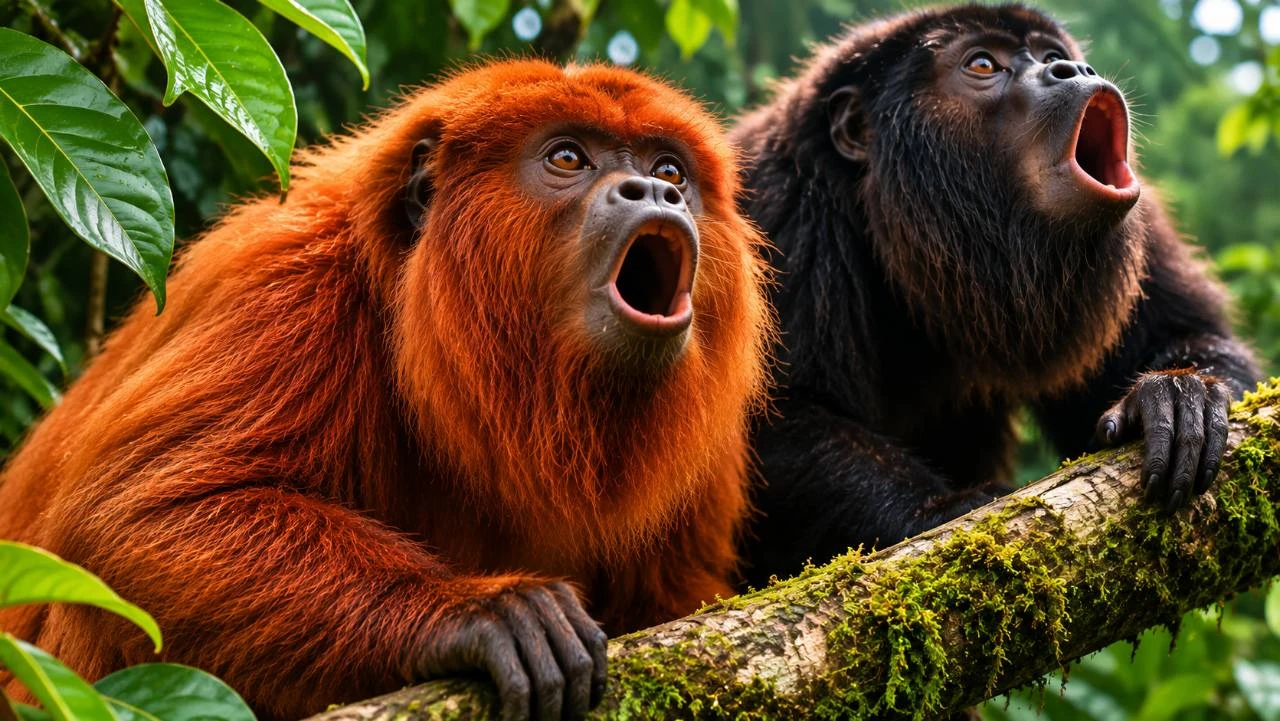
Red crabs turn over leaf litter and help return nutrients to the soil. Invasive yellow crazy ants can kill them in areas where the ants form dense colonies. The park has worked on biological control aimed at the scale insects whose honeydew feeds the ants. Parks Australia reports fewer scale insects but says the impact on the ant supercolonies was still uncertain in its description of the programme. A large migration is an important sight, but it cannot alone show how every part of the island is faring. For another example of how geography shapes conservation, see the identification of two Amazon howler monkey species. Parks Australia invasive ant programme
Where to look and what you may see
The national park lists Drumsite, Flying Fish Cove, Ethel Beach and Greta Beach among the easiest places to observe different stages. Choose a location based on what is happening that week. Moving adults can be visible well inland, where people are less likely to see the release of eggs. A spawning location may be quiet between suitable tides even when thousands of crabs are close by. This is one reason the park distinguishes the expected spawning window from road conditions and publishes updates alongside its migration guide. Parks Australia migration guide Parks Australia road guidance
FAQ
Frequently Asked Questions
When does the migration normally start?
With the first wet-season rainfall, commonly in October or November, although it may be later.
Why do roads close?
The crabs cross them on the way to and from the coast. Closures and bridges reduce the risk of animals being run over.
PRESDA Dispatch
Stay Informed. Stay Aware.
A sharp briefing across AI, gaming, sport, business, world affairs, paparazzi, and lifestyle.