LEV YASHIN: THE ONLY GOALKEEPER TO WIN THE BALLON D'OR
How Lev Yashin won the 1963 Ballon d’Or, helped the Soviet Union win Olympic and European titles, and left a unique goalkeeping legacy.
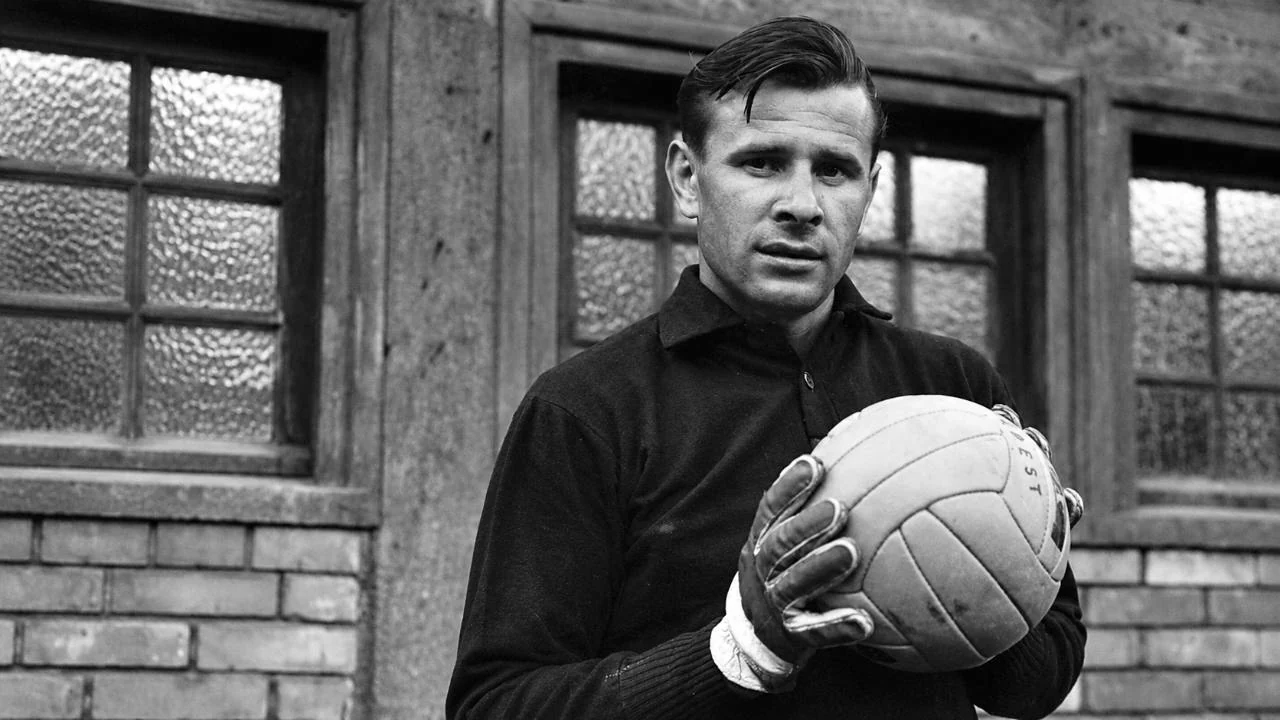
AI editorial depiction of Lev Yashin, not an authenticated archival photograph. AI-generated editorial illustration supplied for PRESDA
Football remembers many brilliant saves. Lev Yashin holds a distinction that goes beyond any single one: he won the men’s Ballon d’Or in 1963 and remains the only goalkeeper on its list of winners. In an award so often associated with scoring goals, his victory made preventing them the centre of the story. UEFA, Ballon d’Or winners list
The goalkeeper in black
Yashin’s dark kit helped create one of football’s most recognisable images. UEFA recalls the nicknames Black Spider and Black Panther, linking them to his clothing and extraordinary agility. The labels convey how opponents and spectators perceived him, but the stronger historical evidence is his record: a major individual award alongside success for club and country. UEFA, historical goalkeeper profiles (2015)
A goalkeeper’s work is difficult to reduce to a highlight reel. Positioning influences which shots become dangerous; decisions about when to advance or stay can change an attack before a save is required. This helps explain why judging the position involves more than counting goals conceded. Yashin’s career invites that broader view without requiring the unsupported claim that he invented every feature of modern goalkeeping.
Dynamo Moscow, Melbourne and Europe
Yashin spent his senior club career with Dynamo Moscow. Olympedia records five Soviet league titles and three Soviet Cups, as well as the Olympic gold he won with the Soviet Union in Melbourne in 1956. Those achievements place the famous individual prize in a collective career: he was part of teams that repeatedly won major competitions. Olympedia, Lev Yashin biography and Olympic record
In 1960, the Soviet Union won the inaugural European Championship, and Yashin belongs to UEFA’s retrospective team of that tournament. This was a major international title before his Ballon d’Or victory. Reading the dates in order matters: Olympic gold in 1956, European success in 1960, then the individual honour in 1963. His reputation was built across seasons, not in a single evening. UEFA, EURO 1960 team of the tournament
The Ballon d’Or and the Yashin Trophy are different
The Yashin Trophy, introduced in 2019 for goalkeepers, honours his name. Winning that trophy is not the same as winning the principal men’s Ballon d’Or. Yashin’s unique place concerns the main award he received in 1963. Keeping the two prizes separate avoids turning a tribute to his legacy into a misleading comparison of winners. UEFA, how the Ballon d’Or awards work
A legacy that needs no invented numbers
The strongest account of Yashin rests on verified honours rather than spectacular but uncertain career totals. We do not need an invented quote or an unaudited penalty-save count to explain his importance. The black-and-white hero is also labelled honestly: an AI editorial depiction, not an authenticated archival photograph. His documented achievements supply the history; the illustration supplies an atmosphere.
Related reading: Johan Cruyff and the transformation of football.
FAQ
Frequently Asked Questions
When did Lev Yashin win the Ballon d’Or?
He won the men’s Ballon d’Or in 1963 and remains the only goalkeeper on its official winners list.
Which international titles did he win?
He won Olympic gold with the Soviet Union in 1956 and the inaugural European Championship in 1960.
Is the Yashin Trophy the same as the Ballon d’Or?
No. The goalkeeper award introduced in 2019 is separate from the principal Ballon d’Or that Yashin won in 1963.
PRESDA Dispatch
Stay Informed. Stay Aware.
A sharp briefing across AI, gaming, sport, business, world affairs, paparazzi, and lifestyle.