The Psychology of Collecting: Why We Love Owning Things
Why we collect stamps, watches, cars and antiques: explore nostalgia, identity, reward, investment risks and the boundary with hoarding disorder.
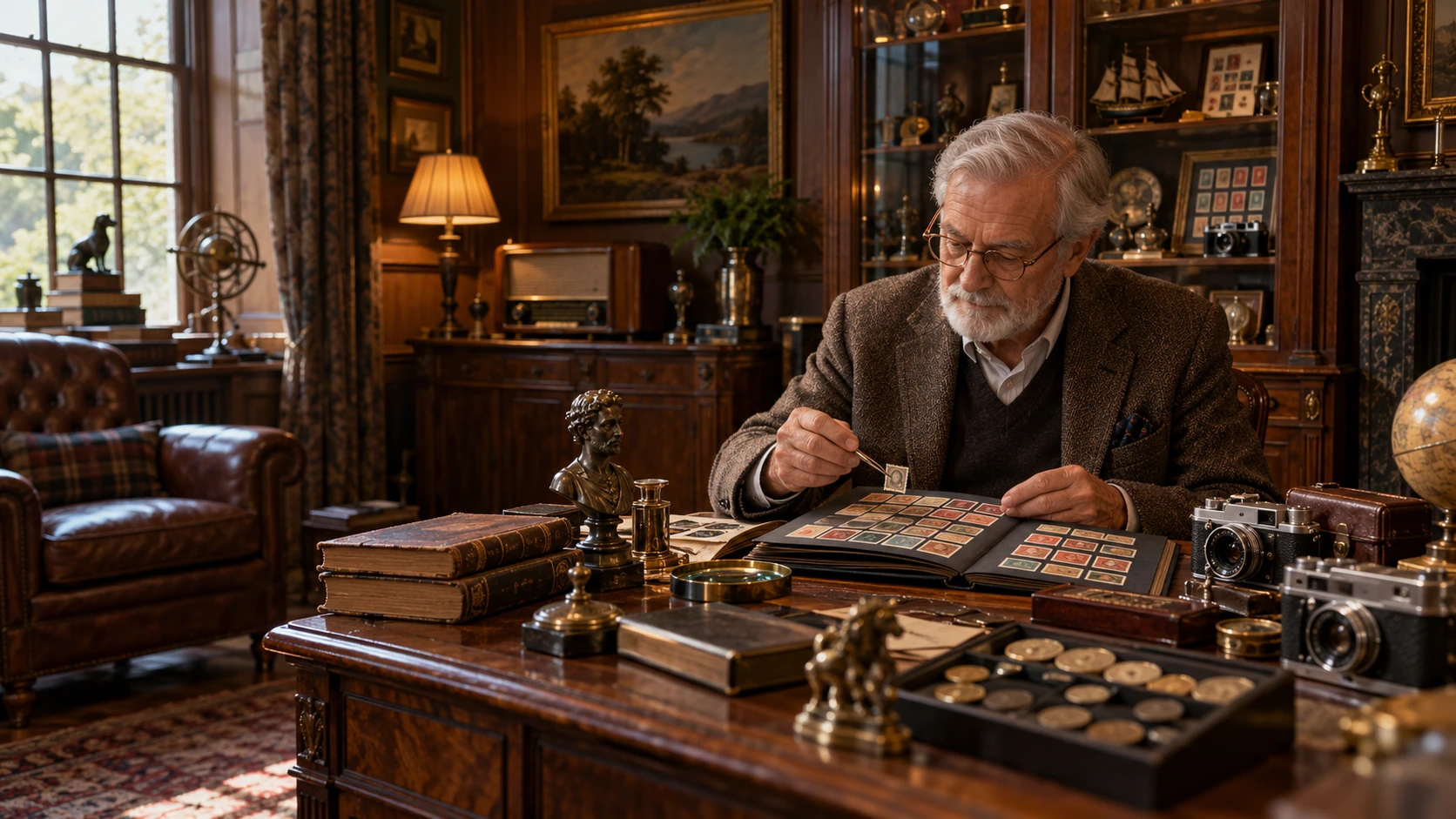
PRESDA editorial illustration, supplied and approved for this feature. A staged collecting scene, not a documented collector or collection.
The small square of paper is almost weightless. Yet to its owner, a stamp can hold a country, a childhood and the memory of someone who taught them how to look. A watch may perform no task that a phone cannot do more accurately. An old car may demand more attention than it gives convenience. Their attraction begins where usefulness stops being the only measure of value.
Collecting is the deliberate selection and organization of objects that acquire meaning together. People collect for pleasure, knowledge, identity, connection and sometimes financial return. These motives overlap, but none explains every collector. Understanding the habit means taking both the objects and the people seriously, without reducing affection to a diagnosis or turning an auction price into proof of happiness.
When possessions become part of a person
In his influential 1988 paper on the extended self, consumer researcher Russell Belk explored how possessions contribute to identity. An object can represent a relationship, achievement or version of ourselves. A collection makes those associations visible: a shelf of cameras can describe an education in photography; coins can express a fascination with vanished political worlds. This is an interpretive framework, not a claim that everyone needs possessions to have a stable identity. Russell Belk: Possessions and the Extended Self
The collector is often doing more than acquiring. They identify, compare, classify and explain. A person who once saw only an old watch learns to distinguish movements, repairs and altered dials. That expertise changes what is visible. The pleasure comes partly from noticing details others overlook, and partly from building a story that becomes more coherent with each carefully chosen addition.
Nostalgia: holding on to a world that changed
An ordinary toy can be more moving than a rare antique because it belongs to a remembered life. Research on nostalgia describes an emotion that is personal and frequently social, involving family, friendship and belonging. Southampton researchers have investigated how nostalgic reflection can support continuity between past and present. These findings concern nostalgia generally, not proof that buying vintage objects improves mental health. University of Southampton: nostalgia research
Collections offer a physical route into that feeling. Someone may rebuild the record collection they could not afford as a teenager, or keep the postcards of a parent who travelled. The object becomes a prompt, rather than a complete record: memory remains selective. A childhood remembered through toys can leave out its frustrations, just as a beautiful antique can conceal the unequal society in which it was made.
Why the search can rival the discovery
The hunt has its own rhythm: a catalogue arrives, a missing issue appears, a seller sends better photographs. Uncertainty can make the process absorbing. Research distinguishes motivation to obtain a reward from the pleasure of experiencing it. Berridge and Robinson's work on wanting and liking cautions against treating dopamine as a simple pleasure chemical. Much of that evidence comes from reward and addiction research, not experiments on stamp collectors. Berridge and Robinson: liking and wanting
It is therefore too strong to say that every purchase produces a predictable dopamine rush, or that collecting is inherently addictive. A more useful question is whether anticipation remains enjoyable and under voluntary control. If the satisfaction disappears immediately and another purchase feels compulsory, the pattern deserves attention. The relevant evidence is its effect on daily life, spending and relationships, not an amateur theory about someone's brain chemistry.
Six collections, six kinds of attention
Stamps turn tiny surfaces into lessons in printing, geography and communication. The Smithsonian's National Postal Museum treats philately as part of a wider history that includes letters, transport and postal systems. An envelope's route can matter as much as the stamp attached to it. A collector may pursue a modest thematic collection rather than expensive rarities, making research more important than a large budget. Smithsonian National Postal Museum
Antiques invite questions about manufacture and use. A repaired chair can reveal how long a household kept it working; a maker's mark can open a trail through trade records. Coins combine design, political authority and material. The US Mint distinguishes numismatic value, influenced by characteristics such as rarity and condition, from bullion purchased principally for its metal content. Confusing the two can turn a historical interest into an expensive misunderstanding. US Mint: collectible and investment coins
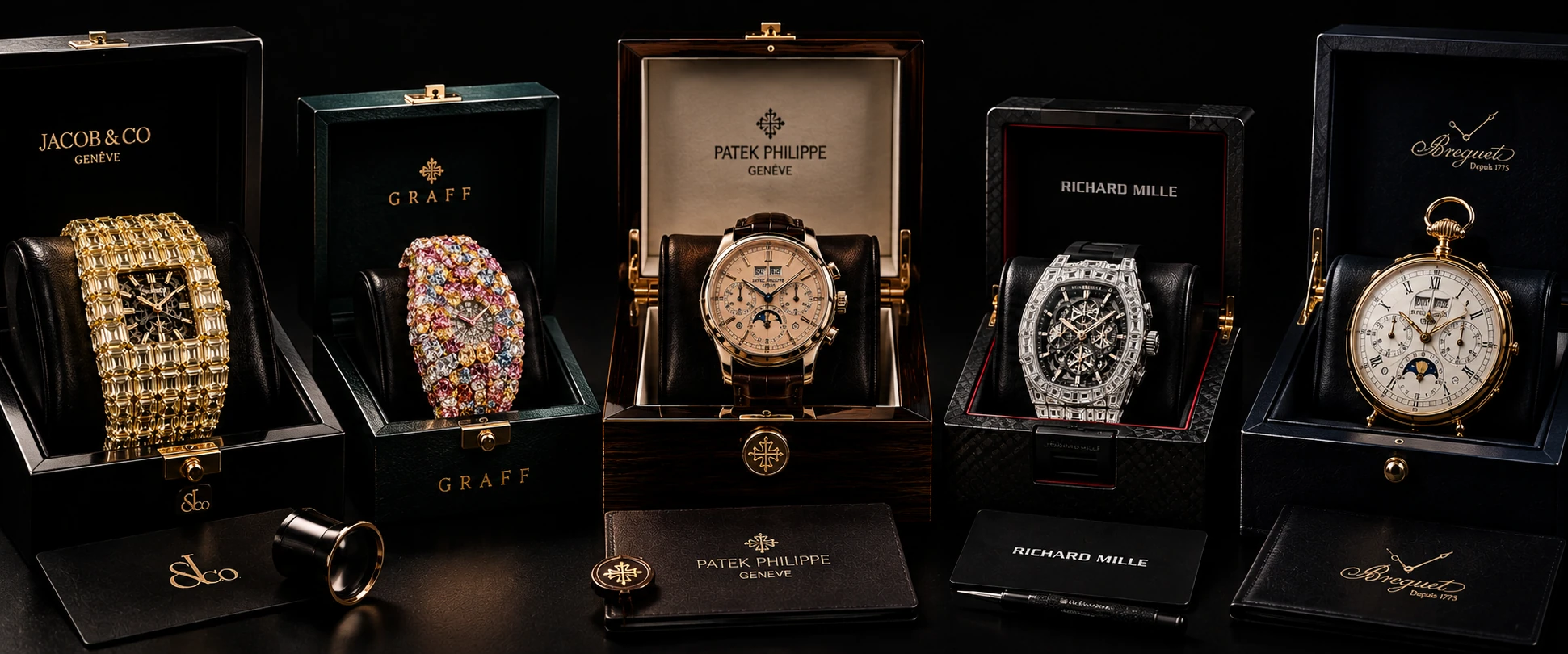
Watches concentrate engineering into an intimate object that can move between generations. Cars enlarge that relationship into sound, motion, restoration and substantial upkeep. Rare objects of any kind raise another question: rare to whom? An unusual item needs interested buyers to have a strong market. The most satisfying collections need not be the most valuable; a clear theme and informed curiosity can matter more than acquiring a famous trophy.
Owning, valuing and the endowment effect
Behavioral economists have documented situations in which people demand more to surrender an object than they would pay to obtain it. This endowment effect helps explain why an owner's valuation may differ from a buyer's. It is not a universal multiplier, and experimental conditions matter. Personal attachment can be entirely real without being transferable to the next owner. Kahneman, Knetsch and Thaler: the endowment effect
The distinction becomes important when a collection is sold or inherited. A family may remember decades of patient searching while a dealer sees condition, demand and saleable inventory. Neither description captures everything. Keeping an account of the object's story alongside its purchase records helps separate a sentimental decision from a financial one. The owner can then choose consciously whether preservation, a gift or a sale matters most.
Belonging, recognition and the pressure to complete
Collections can make social worlds. Clubs, fairs and specialist forums allow people to exchange knowledge that would otherwise be difficult to find. Showing an object can become an invitation to conversation. The quieter rewards include helping someone identify a coin, sharing a restoration problem or lending material for a local exhibition. Expertise need not depend on owning the most expensive examples.
There is also competition. A missing item can begin to feel like a flaw in the collector rather than a gap in a cabinet. Limited editions and countdowns can intensify that pressure. This is an editorial interpretation of the collecting environment, not a measured diagnosis of every enthusiast. A useful boundary is to define the collection before encountering the next sales pitch, and allow a set to remain unfinished.
Can a collection really be an investment?
Some objects appreciate, but an impressive auction result is not a typical return. Acquisition costs, dealer spreads, auction fees, insurance, storage, servicing and the time needed to find a buyer all affect the outcome. The FTC's guidance on collectible coins emphasizes research and the risks of subjective grading. A description such as investment quality does not replace independent assessment. Federal Trade Commission: investing in collectible coins
Financial analysis should distinguish an asking price from a completed sale, and a spectacular surviving example from the many ordinary pieces that never make headlines. A watch may need costly servicing; a car may require years of maintenance. Enjoyment is a legitimate return, but it is not cash. Calling a passion an investment can become a way of avoiding an honest spending limit.
Collecting is not the same as hoarding disorder
Hoarding disorder involves persistent difficulty discarding possessions, distress around parting with them and accumulation that compromises living spaces or functioning. Collecting is typically more selective and organized. The American Psychiatric Association stresses this distinction: the number of objects alone does not establish a disorder. Nor does an object's low resale value make its owner unwell. American Psychiatric Association: hoarding disorder
The practical boundary is not a perfectly tidy display. It is whether a home remains usable, finances manageable and relationships sustainable. Blocked exits, unusable rooms or severe distress at discarding are reasons to seek professional assessment. The International OCD Foundation similarly distinguishes collecting from clinically significant clutter and impairment. Shaming someone or throwing possessions away without agreement is not a substitute for appropriate help. International OCD Foundation: collecting and hoarding
From ownership to stewardship
Preservation changes the question from what an object costs to what it needs. Paper, metal, wood and textiles respond differently to light, handling and environmental conditions. The Smithsonian's preservation work shows that documentation, suitable housing and conservation are part of caring for a collection. Improvised cleaning can damage an object or remove evidence of its history; valuable or fragile pieces deserve material-specific advice. National Postal Museum: preservation
An inventory can record photographs, provenance, repairs, purchase details and personal memories. It also helps future owners understand what they have inherited. Provenance matters ethically as well as commercially: attractive objects can carry histories of theft, exploitation or removal from communities. Loving an object should make its history more interesting, not less important.
A collection that leaves room for living
A healthy collecting practice can include a budget, a defined space and permission to change direction. Sharing knowledge, visiting museums and studying catalogues can sustain interest without continuous buying. Selling or giving something away need not erase the pleasure it once provided. The collection is a chapter in a life, not an obligation to keep every chapter physically intact.
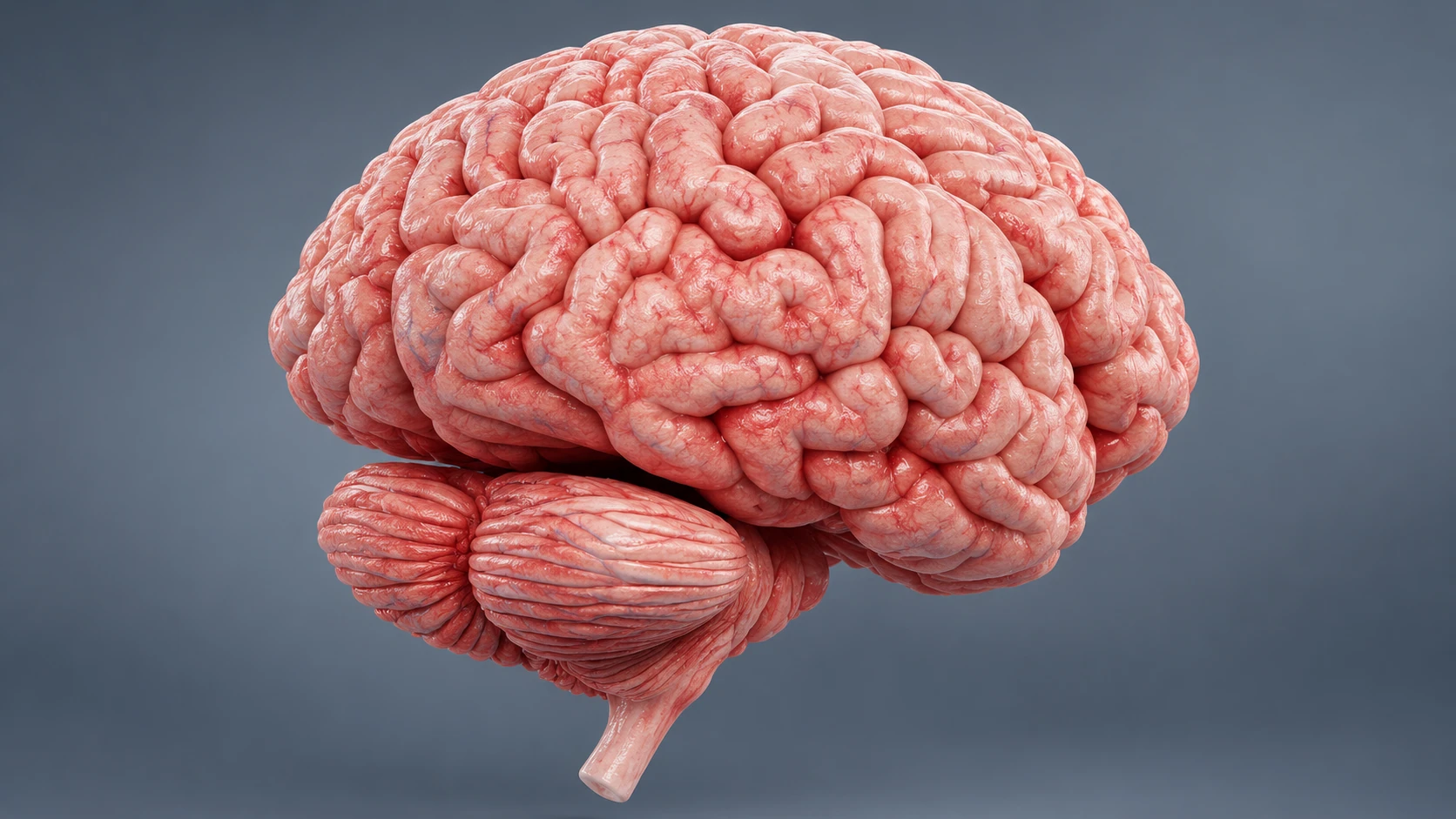
The strongest reason to collect may be the quality of attention it encourages: learning to see workmanship, context and memory in an apparently ordinary thing. For related perspectives, explore PRESDA's features on the human brain, the psychology of brands and exceptional watches. The object can be precious without being priceless, and a collection can be complete enough long before it contains everything.
FAQ
Frequently Asked Questions
What is this PRESDA article about?
Why we collect stamps, watches, cars and antiques: explore nostalgia, identity, reward, investment risks and the boundary with hoarding disorder.
Which category does this story belong to?
This story is part of PRESDA's Lifestyle coverage.
Who published this article?
The Psychology of Collecting: Why We Love Owning Things was published by PRESDA Editorial on PRESDA.
PRESDA Dispatch
Stay Informed. Stay Aware.
A sharp briefing across AI, gaming, sport, business, world affairs, paparazzi, and lifestyle.