ACHRAF HAKIMI FOUNDATION LAUNCHES L'WALIDA TO EMPOWER MOROCCAN MOTHERS
Achraf Hakimi Foundation announces L’WALIDA in Kénitra. Confirmed partners, educational aims and the context for supporting Moroccan mothers’ independence.
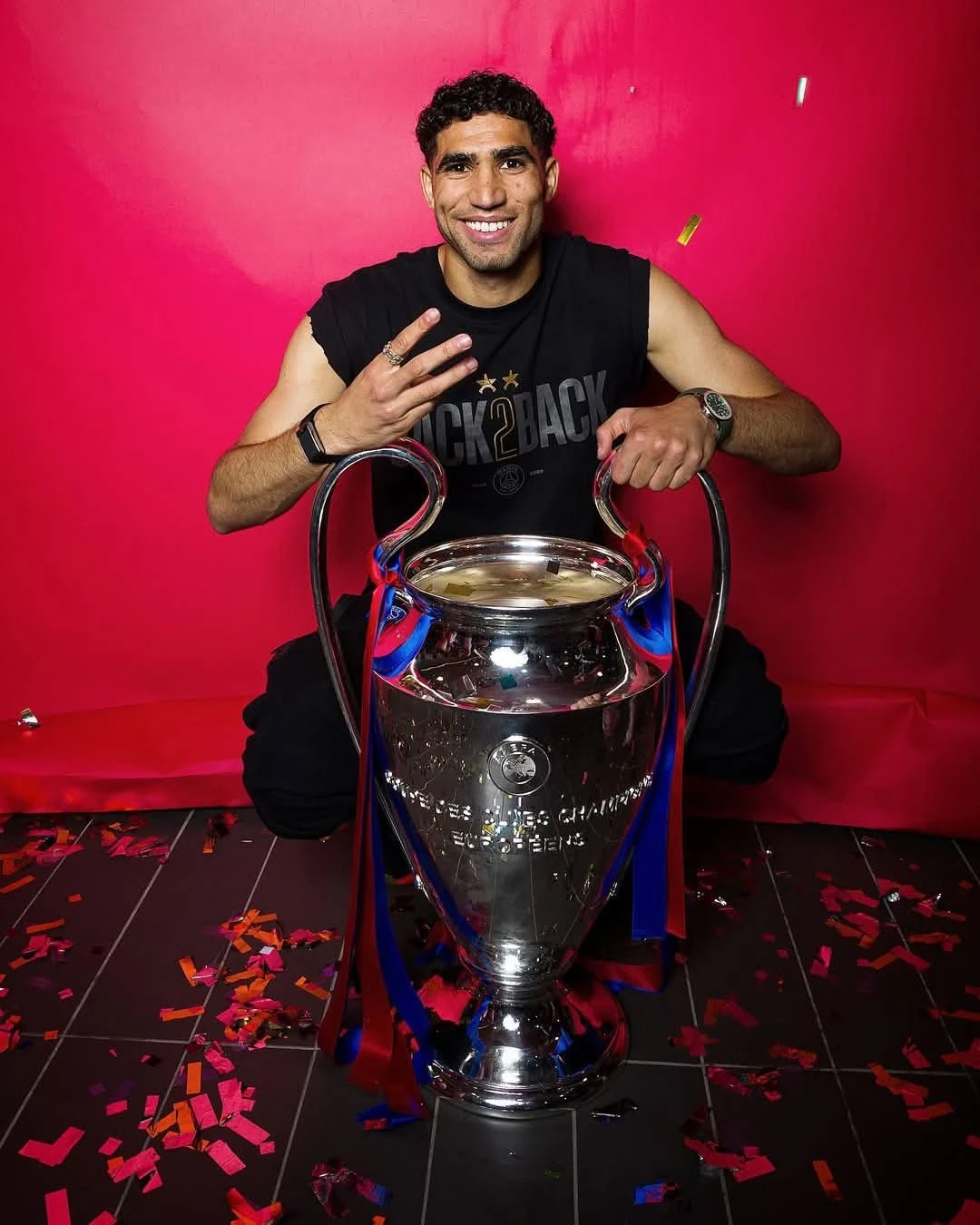
Latest supplied zoomed-in editorial image. Not verified as a photograph of the L’WALIDA launch.
The Achraf Hakimi Foundation has announced L’WALIDA, a programme dedicated to mothers’ education, opportunity and independence. Its official launch post, dated November 18, 2026, places the initiative in Kénitra and identifies a partnership with the Fondation Crédit Agricole du Maroc pour le Développement Durable. Achraf Hakimi Foundation: official L’WALIDA launch post, November 18, 2026
The announcement also thanks Kénitra’s Provincial Directorate of National Education for its collaboration. That makes this a story about a locally connected education initiative as well as a footballer’s foundation. The public statement establishes the programme’s purpose and partners; it does not yet establish measured results for participating mothers.
| Indicator | Verified context |
|---|---|
| Women’s labour-force participation | 19.0% nationally in 2025. |
| Women’s employment rate | 15.1% nationally in 2025. |
| Men’s employment rate | 61.1% nationally in 2025. |
| L’WALIDA results | The launch statement does not publish an impact evaluation. |
What has been confirmed about L’WALIDA?
The Foundation describes L’WALIDA as a project close to its heart, linking support for mothers with opportunities for the next generation. The name evokes the mother in Moroccan Arabic. The emphasis is on education and independence, rather than a claim that a single launch event can remove all the obstacles facing women. Achraf Hakimi Foundation: official L’WALIDA launch post, November 18, 2026
Kénitra is the confirmed launch location. The published caption does not provide a national rollout calendar, a total beneficiary count or a detailed curriculum. It would therefore be premature to turn the announcement into a report that thousands of mothers have completed training or that a nationwide service is already available.
The difference between a launch and an impact report
A launch tells readers what an organisation intends to do. An impact report should explain who participated, what support was delivered and what changed over time. These are different stages of evidence. L’WALIDA’s stated objectives are newsworthy, but they should be reported as objectives until the Foundation publishes results that can be assessed.
As of November 19, the verified launch statement did not set out a budget, application process, eligibility criteria, course duration or employment guarantees. This does not prove that the organisers have no operational plans. It means those details cannot responsibly be supplied from the announcement alone.
Why support mothers through education?
The programme’s central idea is intergenerational: supporting a mother’s ability to learn and make decisions can also shape the environment in which children grow up. That is the Foundation’s stated rationale, rather than a measured finding about this new programme. It connects adult opportunity with the organisation’s existing focus on young people. Achraf Hakimi Foundation: official L’WALIDA launch post, November 18, 2026 Achraf Hakimi Foundation: mission and programmes
The Foundation’s website describes work with local associations and schools across education, sport and personal development. It presents workshops, training and community projects as ways of building skills and confidence. L’WALIDA places mothers within that wider account of community support, while remaining a distinct initiative whose delivery needs to be documented. Achraf Hakimi Foundation: mission and programmes
This perspective also changes the questions worth asking. Education is not only about distributing materials or opening a room. For an adult learner, a useful opportunity must fit real circumstances. The timing of classes, accessible locations and respectful communication can matter as much as the publicity surrounding an announcement.
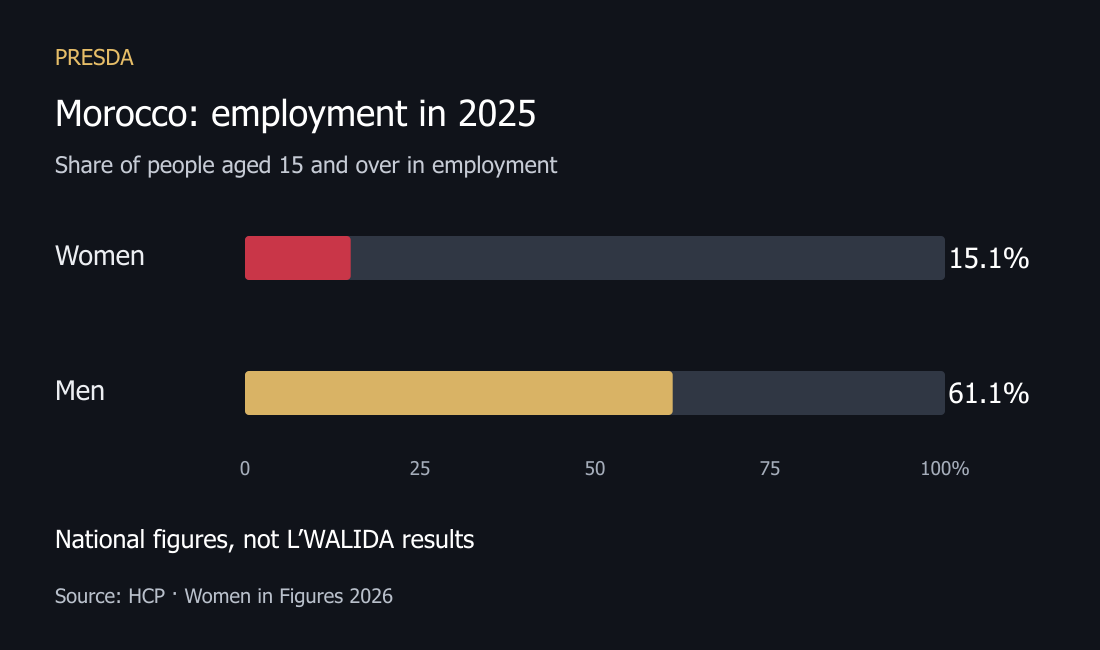
Original PRESDA graphic using HCP’s 2025 national employment rates: women 15.1%, men 61.1%, population aged 15 and over. These are employment rates, not labour-force participation or L’WALIDA outcomes.
The national context, with the numbers kept in scope
Morocco’s High Commission for Planning provides a clear statistical backdrop. Its 2026 publication, Women in Figures, reports that women’s labour-force participation stood at 19.0% in 2025. This is a national indicator for women aged 15 and over, not a statistic about mothers enrolled in L’WALIDA. HCP: Women in Figures 2026, 2025 labour-market indicators
The same publication gives a 2025 employment rate of 15.1% for women and 61.1% for men aged 15 and over. Employment and labour-force participation are different measures: the labour force includes people who are employed and unemployed people who are actively in the labour market. These figures should not be used interchangeably. HCP: Women in Figures 2026, 2025 labour-market indicators
Nor do the national figures reveal the circumstances of every woman in Kénitra. Some mothers have paid employment, some study, some undertake unpaid care and some combine several responsibilities. The statistics show a broad disparity; they do not establish why an individual woman participates or what a particular course will change.
What the figures cannot tell us
These are 2025 national observations published in 2026. They are not a baseline survey of programme participants or an evaluation of Hakimi’s Foundation. They cannot show that L’WALIDA has raised employment, increased income or changed school performance. Those would require programme-specific evidence and a clear account of the period measured.
Keeping these limits visible makes the story more informative. It explains why the initiative addresses a relevant social issue while preserving the difference between the scale of a national challenge and the reach of one organisation. A strong programme does not need inflated numbers to justify public attention.
What the partners bring to the announcement
The launch post names the Crédit Agricole foundation for sustainable development as a partner. The banking group’s official description says that this foundation was created in 2011 and works on agriculture, rural development and sustainability, including pilot projects and educational activity. That background helps identify the institution involved. Crédit Agricole du Maroc: Foundation for Sustainable Development
It does not establish that L’WALIDA is a loan programme or that participants will receive grants, bank accounts or a particular financial product. Those claims would need explicit confirmation. Similarly, the education directorate’s collaboration should not be expanded into an unannounced certification arrangement or a promise of public-sector employment.
The partnership is significant because the public statement places a local education authority alongside a charitable initiative and a development foundation. The practical division of responsibilities, however, has not been detailed in that statement. Readers should be able to distinguish the named institutions from assumptions about what each will deliver.
What meaningful follow-through would look like
A useful update would explain how mothers can obtain information, whether participation is free and what learning opportunities are actually offered. It would also clarify accessibility, scheduling and the support available to participants with care responsibilities. These are questions for future reporting, not features confirmed by the launch caption.
Over time, informative measures could include enrolment, attendance and course completion, followed by participants’ own accounts of the programme’s usefulness. Any claim about employment or income would need a defined follow-up period. Counting attendance at an opening ceremony would answer a different question from whether participants gained a lasting opportunity.
Reporting should also recognise mothers as individuals with their own ambitions. A programme can value their role in family life without reducing their education to benefits for children alone. Independence includes the ability to set personal goals, make informed choices and decide what kind of support is useful.
Beyond the football headline
Hakimi’s public profile can draw attention to a project that might otherwise receive less coverage. Readers following his career and Moroccan legacy will recognise the wider interest surrounding his activities. But the quality of L’WALIDA will ultimately depend on its implementation and the experiences of participants, rather than the reach of a football headline.
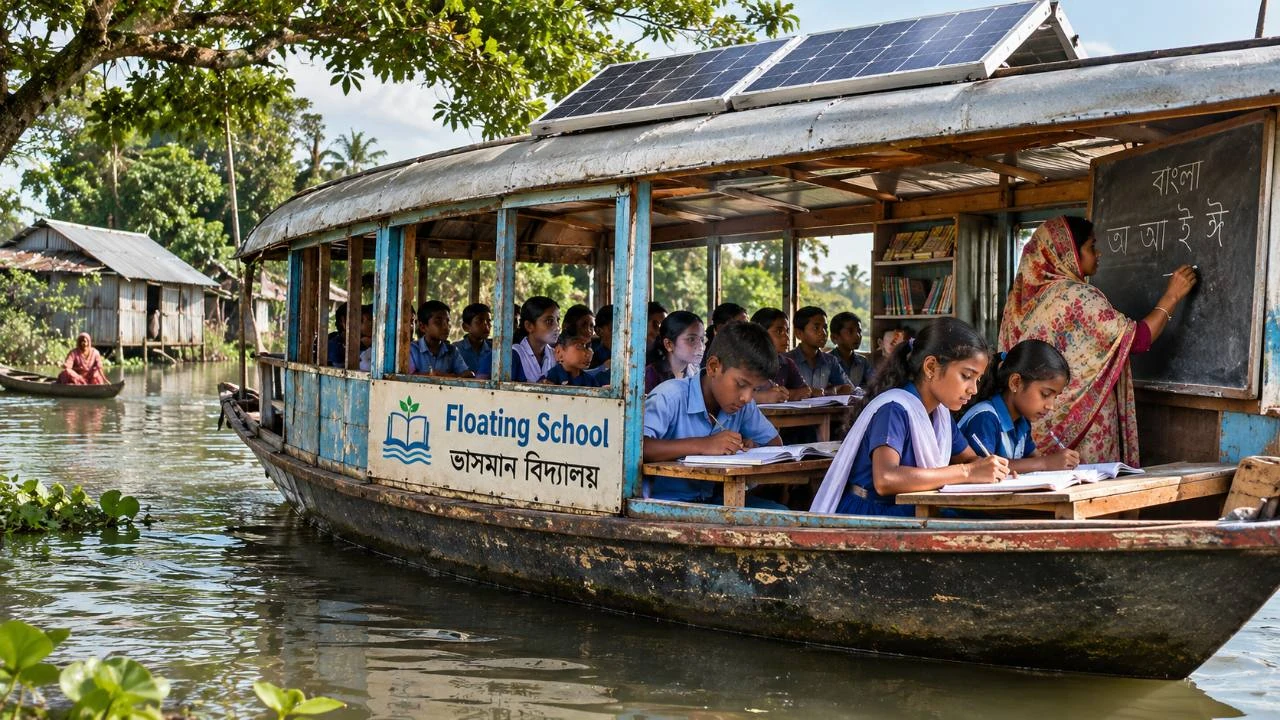
There is also a broader connection with education that adapts to barriers to access. The contexts are different, but both invite a practical question: how can an educational opportunity reach people whose circumstances make conventional provision difficult? The answer requires specific delivery, not just a persuasive slogan.
For now, the verified news is precise: the Foundation announced a mothers-focused programme in Kénitra on November 18, with a named development partner and collaboration from the provincial education directorate. Its ambitions deserve attention. Its outcomes remain a subject for subsequent reporting, supported by transparent information and the voices of the mothers involved.
FAQ
Frequently Asked Questions
What is L’WALIDA?
It is an Achraf Hakimi Foundation initiative announced to support mothers through education, opportunity and independence.
Where and when was it announced?
The Foundation’s official launch post is dated November 18, 2026 and identifies Kénitra as the launch location.
Who are the named collaborators?
The announcement names the Fondation Crédit Agricole du Maroc pour le Développement Durable as a partner and thanks Kénitra’s Provincial Directorate of National Education for its collaboration.
How can mothers apply?
The verified launch statement does not provide application instructions or eligibility criteria. Readers should use the Foundation’s official channels for confirmed programme information.
Has L’WALIDA already demonstrated employment results?
No such results appear in the verified launch statement. National employment statistics provide context and must not be presented as outcomes of the programme.
PRESDA Dispatch
Stay Informed. Stay Aware.
A sharp briefing across AI, gaming, sport, business, world affairs, paparazzi, and lifestyle.