Africa’s Most Underrated Travel Destinations
Explore 15 African destinations with cultural context, seasonal advice, access, cost drivers and planning cautions, from Tafraoute to Rodrigues.
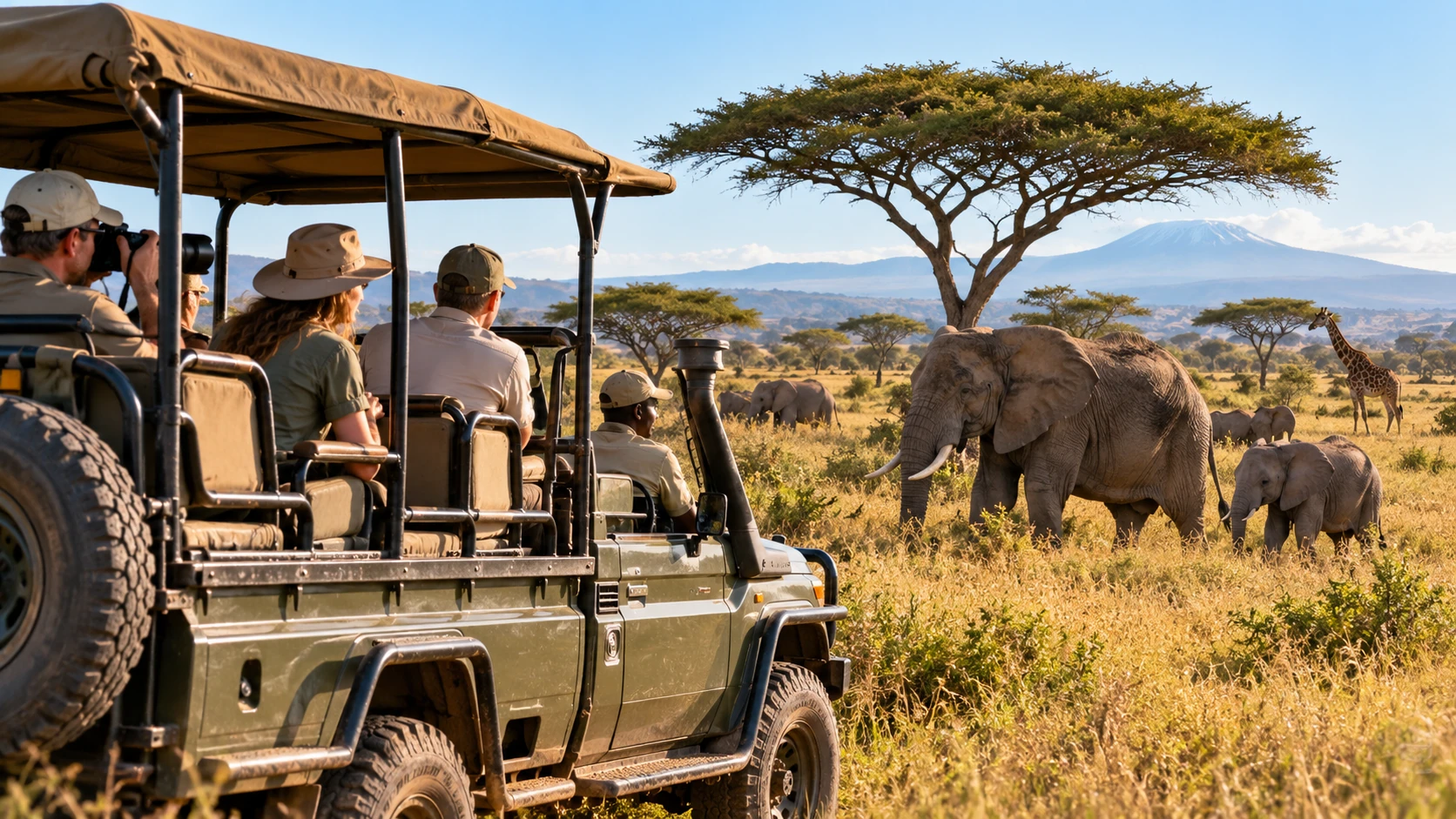
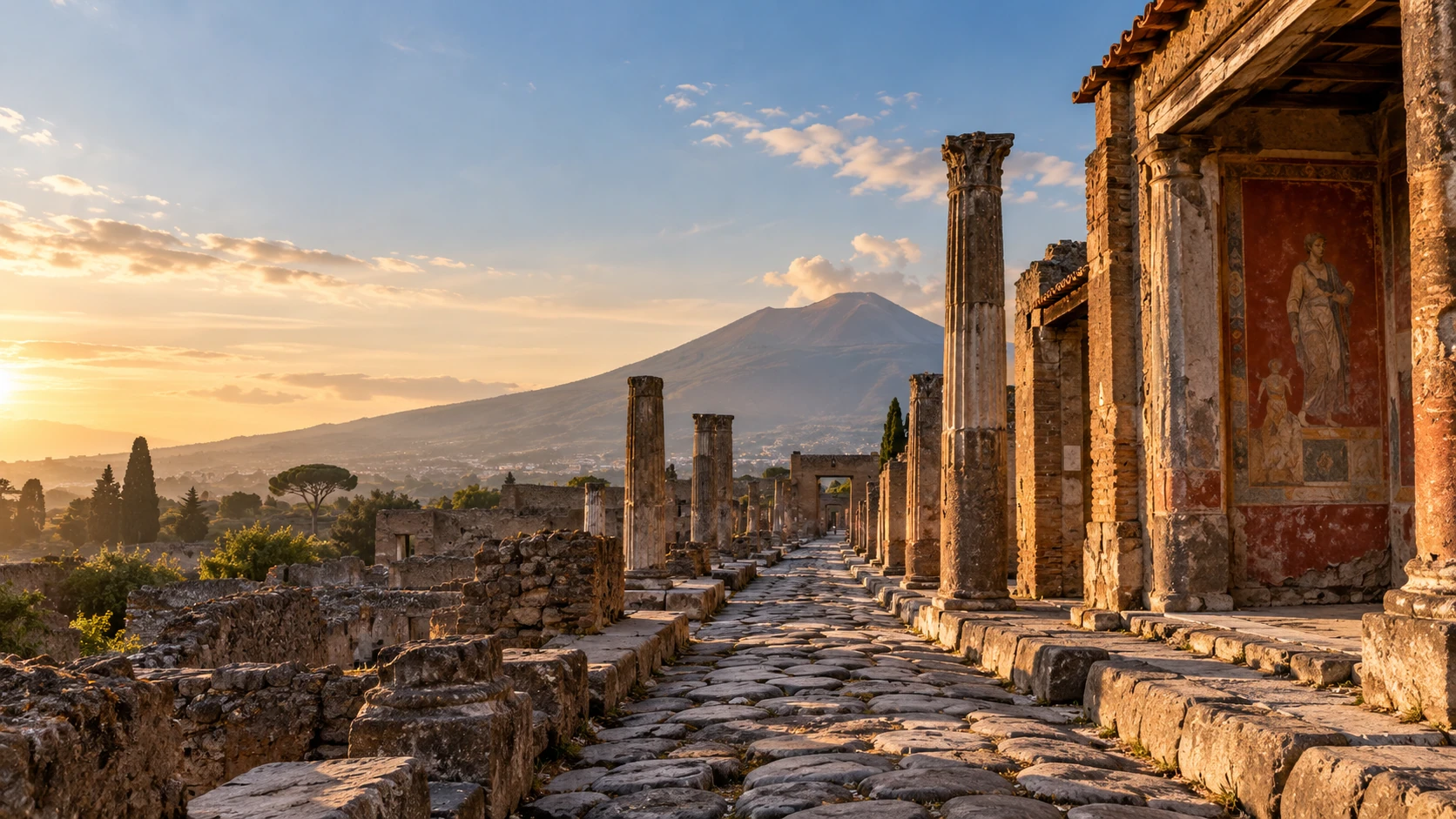
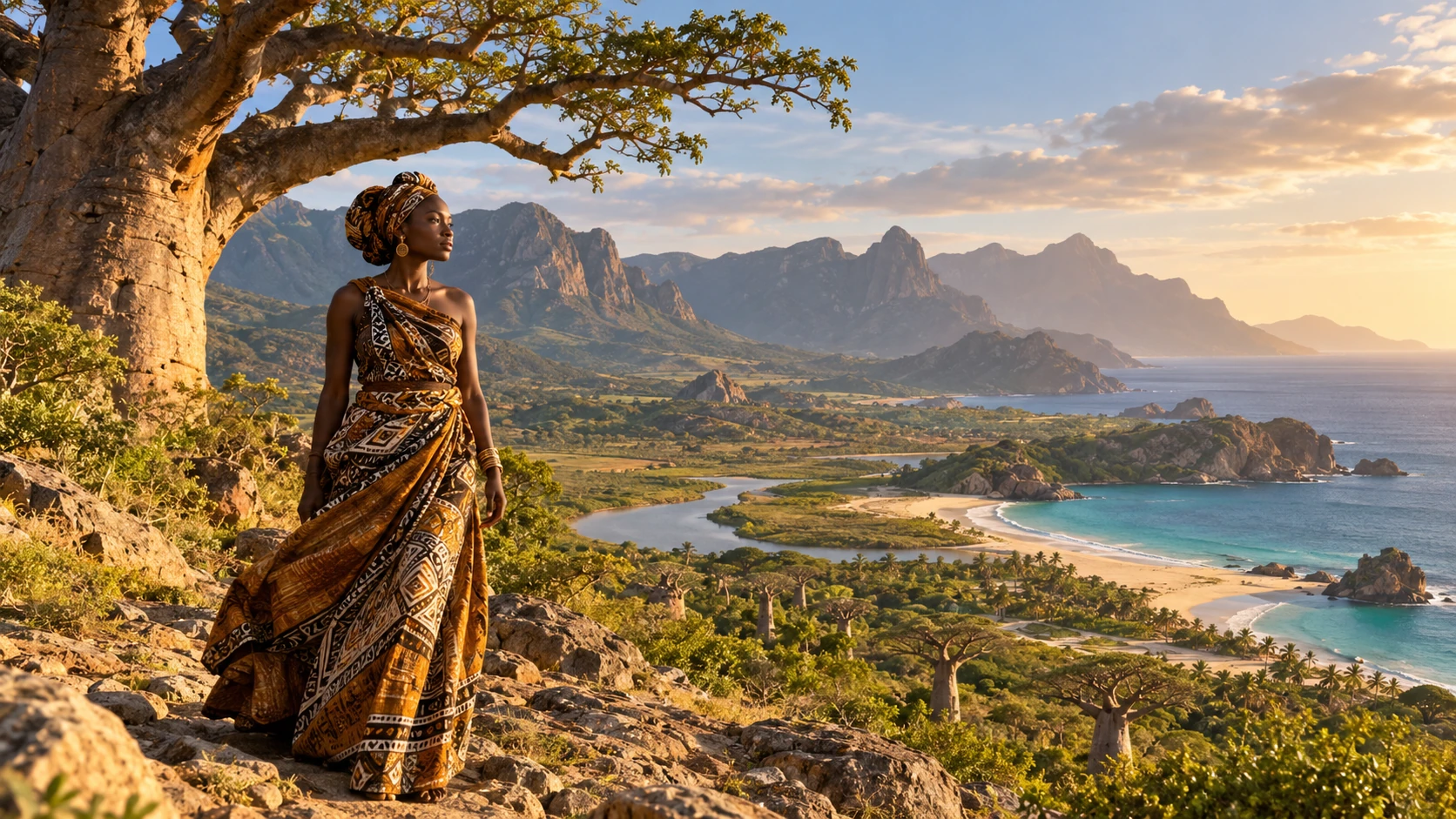
PRESDA AI-generated editorial illustration of an imagined African coastal landscape. It does not depict a verified destination or documentary scene.
Africa’s less familiar journeys are not necessarily remote, cheap or empty. They may be a mountain town beyond a popular coastal circuit, an island reached by a second connection, or a historic city that deserves more than a hurried excursion. The reward is not discovering somewhere nobody knows. It is allowing places that receive less attention in international itineraries to tell a fuller story.
These 15 destinations are an editorial selection, not a measured ranking of visitor numbers or safety. Several are already important domestic or regional destinations. Seasons below are planning windows, not weather guarantees. Cost comments compare travel styles and the expenses to check, not live quotations. Practical information was reviewed on 21 October 2026; confirm entry rules, health advice, transport and local conditions before paying. The supplied hero is an imagined editorial scene, not a photograph of any destination listed here.
1. Tafraoute, Morocco: the Anti-Atlas at walking pace
Around Tafraoute, pink granite boulders and cultivated valleys replace the familiar imagery of imperial cities. The appeal lies in walking, Amazigh cultural life and the relationship between settlements and a demanding mountain landscape. Reach the town by road from Agadir or Tiznit, allowing time for winding routes. Spring and autumn are sensible starting points for walking plans; summer heat changes what is comfortable. Guesthouses and local meals can keep daily spending modest, while a private driver and qualified mountain guide add substantially. Arrange routes locally, carry water and avoid treating a mapped trail as proof of safe access. Moroccan tourism office: regional landscapes
2. Kairouan, Tunisia: a living city around a monumental mosque
Kairouan’s Great Mosque, medina and craft traditions make it more than a detour from the beach. Founded in 670, it became a major centre of Islamic culture in North Africa. Travel inland by road from Tunis or the coastal cities; shared transport can reduce costs, while a driver makes a short visit easier. Spring and autumn generally offer a more comfortable walking compromise than midsummer. Budget separately for monuments and guiding. Religious buildings have visitor restrictions, and modest dress matters. Read Tunisia’s regional security advice before extending the journey towards western mountains or border areas. Tunisian tourism office Regional travel advice
3. Santo Antão, Cabo Verde: an island best understood on foot
Santo Antão is a landscape of steep valleys, agricultural terraces and settlements connected by demanding paths. Its attraction is the contrast between dry slopes and greener valleys, rather than a promise of resort beaches. The usual approach is through São Vicente, then by ferry to Porto Novo. Build a weather buffer around the crossing. The cooler, drier part of the year is generally preferable for extended walking, but exposed paths still demand care. Small guesthouses make an independent trip possible; taxis between trailheads and a local guide can become the main extras. Check the return ferry before planning an international flight. Cabo Verde tourism: Santo Antão
4. Saint-Louis, Senegal: history beside a working river
The island city’s streets and balconies preserve layers of colonial history, but Saint-Louis is also a living cultural centre, not an architectural stage set. UNESCO recognises the island’s historic urban fabric. Arrive overland from Dakar and allow several nights for the riverfront, museums and surrounding landscapes. November to April is a useful dry-season planning window; heat and wind still vary. Road transfers take a meaningful share of a short trip’s budget, whereas a longer stay spreads that cost. Ask before photographing residents or fishing activity. Coastal erosion and changing local conditions deserve attention when choosing excursions near the ocean. UNESCO: Island of Saint-Louis
5. The Saloum Delta, Senegal: tides, mangroves and human history
South of Dakar, the Saloum Delta combines waterways, mangroves and islands with archaeological shell middens that record long human occupation. This is not an untouched landscape: livelihoods and conservation are inseparable. Reach a mainland base such as Toubacouta by road, then arrange boat trips with local operators. The drier months are a useful starting point for birding and easier logistics. Accommodation ranges widely; boat hire, guiding and transfers are the costs to clarify. Insist on lifejackets and safe loading, and agree the itinerary before departure. A quiet boat trip that respects nesting birds can be more rewarding than a rushed circuit. UNESCO: Saloum Delta
6. Cape Coast and Elmina, Ghana: travel that demands attention
The castles at Cape Coast and Elmina confront visitors with the history of Atlantic enslavement. They should be approached as places of memory, alongside the contemporary coastal towns around them. Travel west from Accra by road, leaving room for traffic and a guide-led visit rather than squeezing both sites into a transit stop. Drier months, broadly November to March, often simplify travel, although coastal humidity persists. Local accommodation offers different price levels; private transport and organised visits raise costs. Follow photography rules and avoid turning memorial spaces into casual photo backdrops. Traffic, ocean currents and personal security require ordinary practical planning. Ghana tourism: Central Region
7. São Tomé: rainforest beyond the plantation postcard
São Tomé offers volcanic scenery, forest and a history of plantation agriculture that deserves discussion beyond picturesque buildings. A visit to a former roça should include the labour history and present communities, not simply its faded architecture. Arrive through São Tomé’s airport and use local transport or a driver for longer island journeys. The relatively dry gravana, roughly June to August, is a useful starting point, although forest rain remains possible. Air connections and guided excursions can dominate costs even when simple rooms are affordable. Check road conditions, arrange forest guides and do not assume an attractive beach is safe for swimming. São Tomé and Príncipe tourism: seasons
8. Lesotho’s highlands: mountain travel with a different rhythm
Lesotho’s highlands reward travellers interested in walking, Basotho cultural life and mountain landscapes rather than a dense checklist of attractions. Access is usually by road through South Africa or via Maseru, followed by mountain transfers. Spring and autumn can balance temperature and walking conditions; winter brings serious cold and possible snow, while summer storms can disrupt plans. Village stays and guided hikes may cost less than an expedition with a dedicated vehicle, but remote logistics remain significant. Ask about trail difficulty and altitude, carry layers and use guides with local knowledge. Horse excursions should include an honest assessment of animal condition and rider ability. Lesotho tourism: travel guide
9. Malolotja, Eswatini: grassland, waterfalls and room to walk
Malolotja’s highland grasslands and hiking trails offer a different southern African experience from the familiar vehicle safari. The reserve suits travellers who enjoy landscapes as much as large mammals. Approach by road through Eswatini and confirm accommodation and trail arrangements before arrival. Cooler, drier months can suit longer walks; summer rain makes the countryside greener but changes footing and weather exposure. Self-catering or camping can control costs, while transfers and guided activities add to the total. Carry navigation and water, register demanding routes where required and ask about current fire or weather restrictions. The wider country’s cultural life should be experienced with permission, not staged expectations. Eswatini tourism: Malolotja
10. Cape Maclear, Malawi: a freshwater landscape, not an ocean resort
Lake Malawi National Park protects a remarkable aquatic environment around Cape Maclear, including habitats for colourful cichlid fish. Lakeshore life, boats and hills provide reasons to linger even without entering the water. Reach the area by road from Lilongwe or Blantyre; compare transfer costs before booking a seemingly inexpensive room. The May-to-October dry season is a useful planning period. Accommodation spans simple stays to island lodges. Freshwater exposure can carry schistosomiasis risk: clear water is not evidence of safety, so obtain current medical advice before swimming. Check boat equipment and wind conditions rather than assuming a lake is always calm. Malawi tourism: the national park Health planning
11. Damaraland, Namibia: rock art and the scale of dry country
Damaraland combines striking geology with human history, most notably the engravings at Twyfelfontein. UNESCO’s recognition is a reason to understand and protect the site, not touch its surfaces for a photograph. Many itineraries arrive by road from Windhoek or the coast. The cooler dry months generally suit touring, but distances, dust and cold nights remain relevant. Vehicle hire, fuel and lodge spacing can make this more expensive than the apparent simplicity of the landscape suggests. Plan supplies and daylight driving, use authorised guides at heritage sites and keep wildlife encounters at a respectful distance. Desert-adapted animals are never a guaranteed sighting. UNESCO: Twyfelfontein
12. Liuwa Plain, Zambia: a safari shaped by water and distance
Liuwa’s open plains and wildebeest movements reward travellers willing to plan around a remote ecosystem. The park’s management partnership includes the Barotse Royal Establishment, Zambia’s wildlife authorities and African Parks. Access and camp operations change with flooding and seasonal conditions; arrange the route through the park or a specialist rather than extrapolating from an ordinary road map. Ask specifically about late-year wildlife movements and the opening dates of your chosen camp. Camping and lodge travel have very different budgets, but specialised transport is a common major expense. This is not an appropriate setting for improvised off-road driving or approaching wildlife on foot. African Parks: Liuwa Plain
13. Nyungwe, Rwanda: a forest journey with an important route caution
Nyungwe offers forest walks, birding and organised primate experiences. It deserves consideration on its own terms, not merely as an addition to a gorilla itinerary elsewhere. Reserve activities and guides ahead; forest rain and steep terrain mean that even a drier-season visit requires suitable footwear. Transport, accommodation and activity fees need separate quotations. For access, examine the route from Kigali carefully. At this review, UK advice warned against non-essential travel within 10 km of the DRC border in Rusizi District, including Kamembe Airport. Do not assume every gateway to the forest has the same advisory status. Park visitor information Rwanda travel advice
14. Andasibe, Madagascar: listening as well as looking
Andasibe’s forests are associated with indri lemurs, whose calls can become a defining memory of a visit. Observation requires patience and proper guiding; animals are not scheduled attractions. The usual approach is by road east from Antananarivo, with generous time for traffic and road conditions. The broadly drier months from May to October often ease logistics, but this is rainforest. Budget for guiding and park entry as well as a room and transport. Avoid feeding or touching wildlife and keep distance when ill. Check current security and transport advice before departure, and favour daytime road travel rather than an optimistic late-night transfer. Madagascar tourism Current travel advice
15. Rodrigues, Mauritius: island time beyond the main island
Rodrigues belongs to Mauritius but offers its own Creole cultural life, coastal walks and lagoon landscape. Treat it as a destination, not an automatic day trip from the main island. Travellers commonly connect by air through Mauritius; leave room for schedule disruption. The cooler, drier part of the year suits many walking plans, while trade winds can strongly affect water activities. Tropical storms are a summer consideration. The extra flight is a major budget item; guesthouses and local meals provide alternatives to resort spending. Choose licensed boat operators, respect marine restrictions and ask about currents before entering the lagoon. Rodrigues tourism Mauritius Meteorological Services: Rodrigues climate
How to build a trip that works
Choose a region, not all fifteen. Combining too many countries turns travel time, visas and airport transfers into the main experience. For each destination, request an itemised total covering rooms, meals, guiding, entry fees, transport, taxes and cancellation terms. A low nightly rate is not a low trip cost if reaching it requires an expensive charter or private vehicle. Ask whether quotations are per person or per room, and whether they assume two people travelling together.
Check your own government’s advice and the destination’s entry rules, including transit requirements. Health planning is itinerary-specific, as are road safety, accessibility and emergency evacuation. Travellers with reduced mobility should request precise information about steps, surfaces, vehicles and bathrooms rather than accepting an unqualified promise of accessibility. Official country travel advice
Responsible travel means paying people fairly, asking permission and giving places enough time. It also means recognising that a beautiful landscape is someone’s working environment. For a deeper look at wildlife travel, read PRESDA’s African safari guide. The most worthwhile alternative itinerary is not the one that claims to escape every other visitor. It is the one that replaces assumptions with attention.
FAQ
Frequently Asked Questions
What is this PRESDA article about?
Explore 15 African destinations with cultural context, seasonal advice, access, cost drivers and planning cautions, from Tafraoute to Rodrigues.
Which category does this story belong to?
This story is part of PRESDA's Travel coverage.
Who published this article?
Africa’s Most Underrated Travel Destinations was published by PRESDA Editorial on PRESDA.
PRESDA Dispatch
Stay Informed. Stay Aware.
A sharp briefing across AI, gaming, sport, business, world affairs, paparazzi, and lifestyle.