Day of the Dead: Mexico's Celebration of Life and Death
Explore Mexico's Day of the Dead, its layered history, ofrendas, Catrinas and regional traditions, with dates and respectful travel advice for 2026.
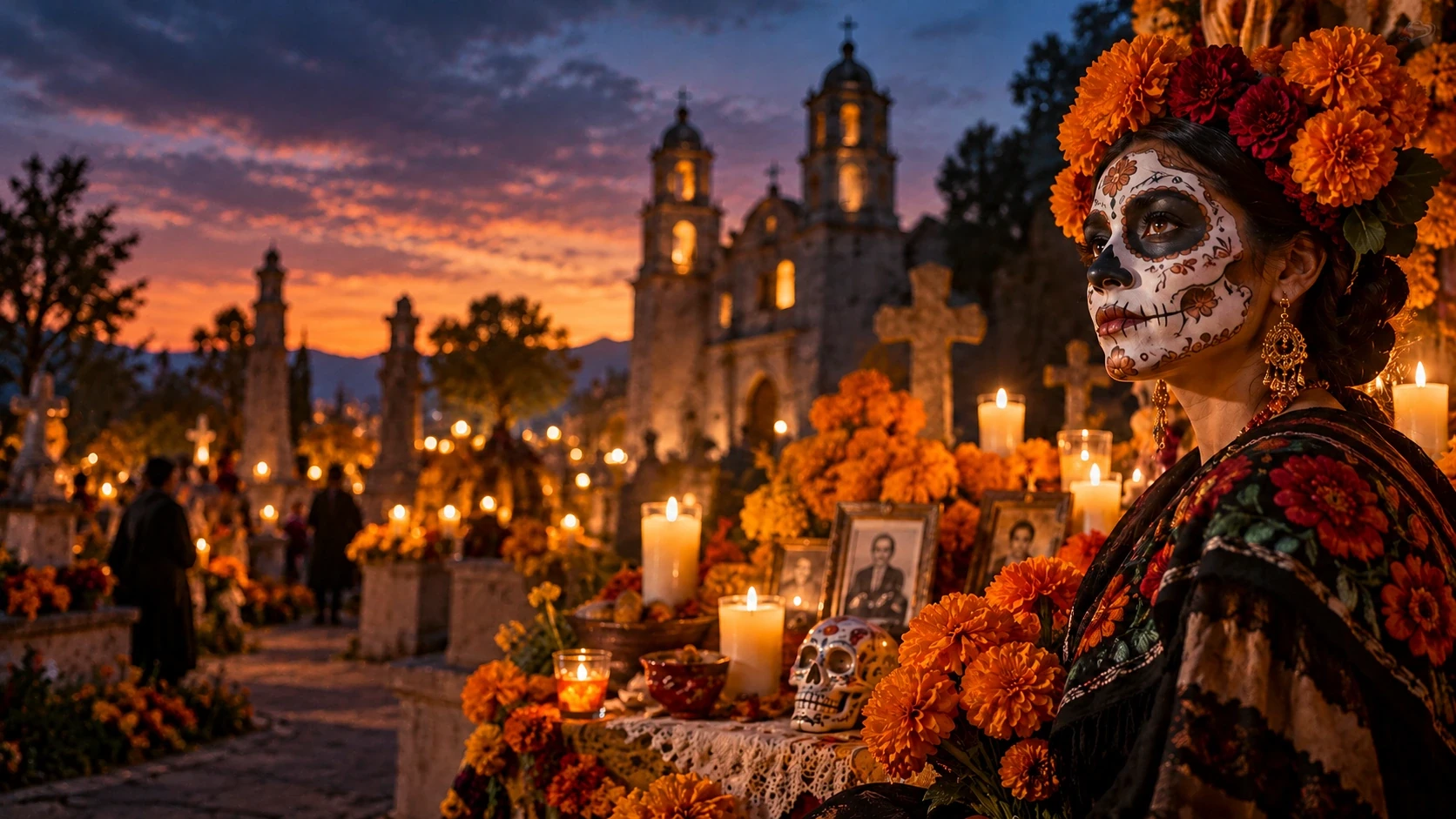
PRESDA AI-generated editorial illustration. The cemetery and Catrina figure are imagined, not documentary evidence of a particular community's ceremony.
A favorite dish placed beside a photograph can say more about a life than a formal monument. That intimate gesture sits at the heart of many Day of the Dead observances in Mexico. Flowers, candles and food make remembrance tangible, allowing families to speak to and about people who are absent. The public spectacle can be dazzling, but the relationships behind it are often specific, personal and quietly maintained.
In 2026, November 1 falls on Sunday and November 2 on Monday. These are central dates, not the boundaries of a single standardized festival. Preparations and observances can extend into late October or follow local calendars. UNESCO's recognition concerns the Indigenous festivity dedicated to the dead, inscribed in 2008 after its original proclamation in 2003. It recognizes a living cultural practice, not a universal script for every Mexican household. UNESCO: Indigenous festivity dedicated to the dead
A history built from encounters
Día de Muertos brings together Indigenous traditions of relations with the dead and Catholic commemorations introduced during Spanish colonization. All Saints' Day and All Souls' Day helped shape its November calendar. The result was not simply one unchanged pre-Hispanic ceremony concealed under a Christian name. Communities adapted practices over generations, and rural and urban life added further layers.
Mexico's National Institute of Anthropology and History emphasizes that the celebration developed through Indigenous, Catholic, rural and urban contributions. In Indigenous communities it can also relate to the agricultural cycle, connecting remembrance with the organization of work and collective life. This perspective makes the festival more than an annual decorative display. INAH: cultural heritage and community life
What an ofrenda does
An ofrenda is an offering, often arranged in a home or at a grave. Photographs identify those being remembered; food and drink can recall their preferences. Water, salt, candles, paper decorations and flowers appear in many versions, but the contents and explanations vary. Treating a published list of objects as a compulsory national checklist misses the role of family knowledge.
Mexican educational resources explain water as hospitality for returning souls, candles as guidance and salt through ideas of purification. These are meanings within a ritual tradition, not scientific claims about the dead. The offering's importance also lies in the work of assembling it: choosing a photograph, cooking a remembered recipe and explaining a relative's life to a younger generation. Mexico's education ministry: ofrenda elements
Marigolds, bread and the work behind the color
Cempasúchil, the vivid marigold associated with the season, is often used on altars and graves or laid as a path. Its color and scent are understood in many traditions as helping guide the deceased. Pan de muerto, fruit, sugar skulls and favorite meals make the observance a feast of recognizable tastes as well as images. The objects are meaningful because people prepare and use them, not merely because they photograph well. Mexico's agriculture ministry: a living tradition
Behind the orange flowers are growers, market sellers, bakers and craftspeople. A travel itinerary that includes a market or a locally run workshop can reveal this labor more clearly than a hurried cemetery visit. Ask who made an object and what it means locally. Buying directly, when possible, can keep the encounter connected to the people who sustain the craft rather than reducing it to an anonymous souvenir.
Children, adults and different calendars of remembrance
November 1 is commonly associated with deceased children and November 2 with adults, but this is not an exhaustive rule. Some communities distinguish the dead by age, circumstances of death or other categories and assign different times for receiving them. The detailed timetable belongs to the community and family concerned. Visitors should ask rather than assume that an internet calendar explains every altar.
Nor does a lively celebration mean grief has disappeared. Humor, music and shared meals can coexist with sorrow. The familiar claim that Mexicans simply do not fear death turns a complex set of practices into a national personality stereotype. What the festival often provides is a way to give absence a place in social life, with room for both affection and pain.
The Catrina is not an ancient costume
The elegant skeleton now associated with the festival has a modern visual history. José Guadalupe Posada's satirical skeletal figure and its later development in Mexican art helped shape the Catrina familiar today. It should not be presented as a costume worn unchanged since the Aztec period. The Mexic-Arte Museum's educational guide places Posada's image within this artistic history. Mexic-Arte Museum: Day of the Dead guide
Face painting and elaborate dresses can be contemporary expressions of identity, performance and artistic skill. Their popularity does not make them false traditions; it shows that traditions develop. The important question is whether a visitor understands the difference between a staged public performance and a family's private act of mourning. Both may use striking imagery, but they do not invite the same behavior.
Choosing a place without searching for the most authentic Mexico
Michoacán, Oaxaca and Mexico City offer very different settings for encountering the season. A village cemetery, an urban museum altar and a public procession should not be ranked as if one were automatically more authentic. They serve different communities and purposes. Local tourism offices, museums and community hosts are better starting points for a 2026 itinerary than an old list of parade dates.
This article does not assert an unverified 2026 parade schedule or promise access to any cemetery. Confirm the event, location, transport arrangements and entry conditions before booking around it. Staying longer in one place can allow time for markets, food and conversation, instead of racing between sites at the moment when local families most need space.
Visiting a cemetery as a guest
An open gate is not permission to photograph every person or offering. Ask before taking portraits, avoid stepping between a family and a grave, and keep paths clear. Do not move candles, food or flowers for a composition. A guide can explain local expectations, but the family's wishes take priority over a tour group's desire for a photograph.
Plan the return journey before attending a nighttime observance. Crowded streets, limited parking and unfamiliar routes can make a late departure difficult. Carry only what you need, agree on a meeting point and check local advice rather than assuming all destinations share the same conditions. These practical choices protect time and attention for the visit itself.
Budgeting for the experience
There is no single Day of the Dead admission price. A public altar may be free to view, while transport, accommodation, guided visits and workshops have their own charges. Peak demand can change availability. Compare the total trip cost and cancellation terms, and ask exactly what a paid tour includes. A cemetery donation, where locally requested, is different from a commercial ticket.
The most expensive package is not necessarily the most thoughtful encounter. An independently booked room, a licensed local guide and time spent in markets may suit some travelers better than a crowded multi-stop excursion. Others may need an organized transfer or accessible route. The useful choice is the one that meets actual needs and respects the people whose commemoration makes the journey possible.
A celebration that deserves its own name
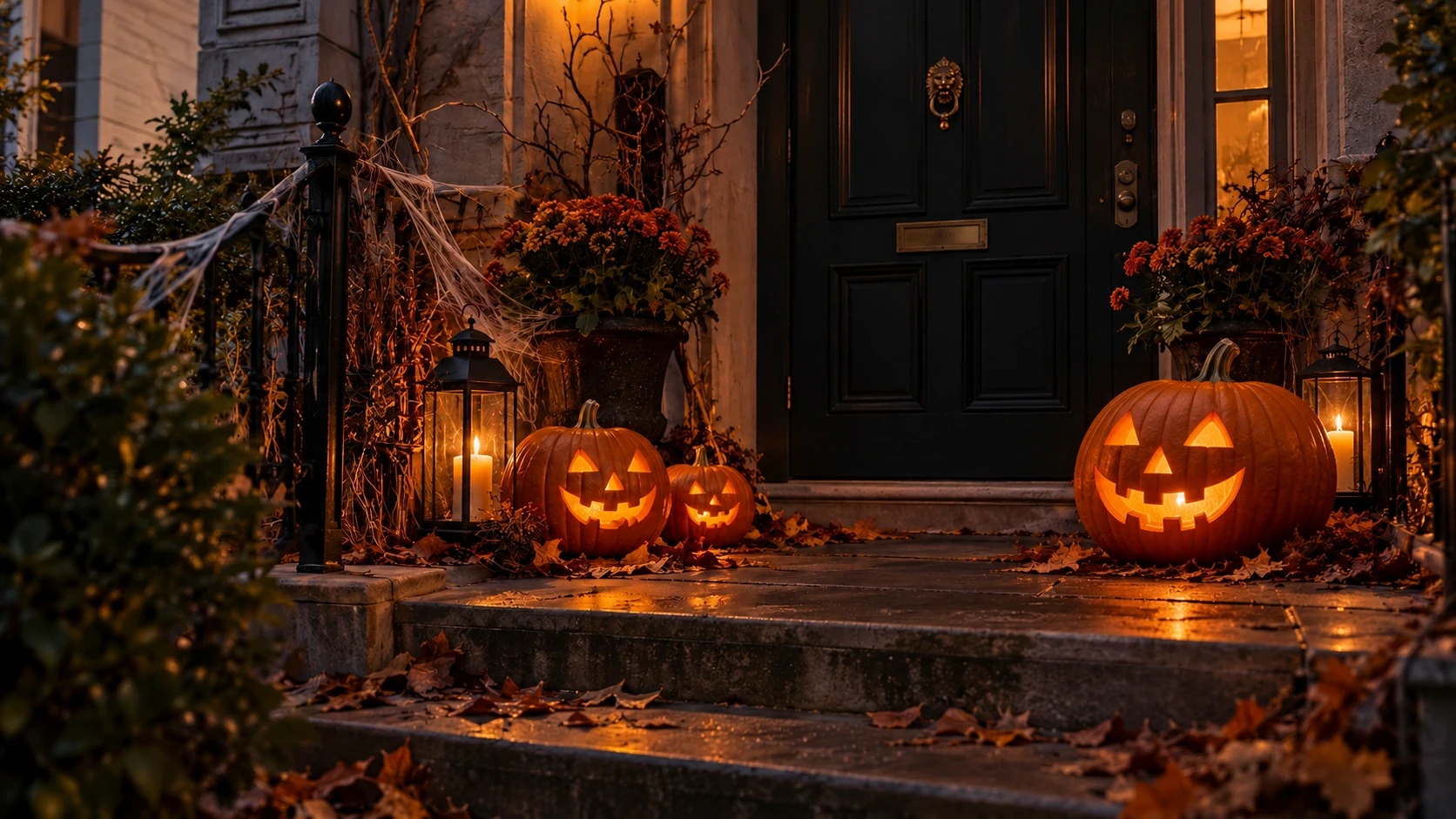
Day of the Dead and Halloween share nearby dates and some visual motifs, but they have distinct histories and social meanings. Our account of Halloween's origins explains its different combination of seasonal customs, Christian calendars and modern entertainment. Calling Día de Muertos a Mexican Halloween obscures the family relationships at its center.
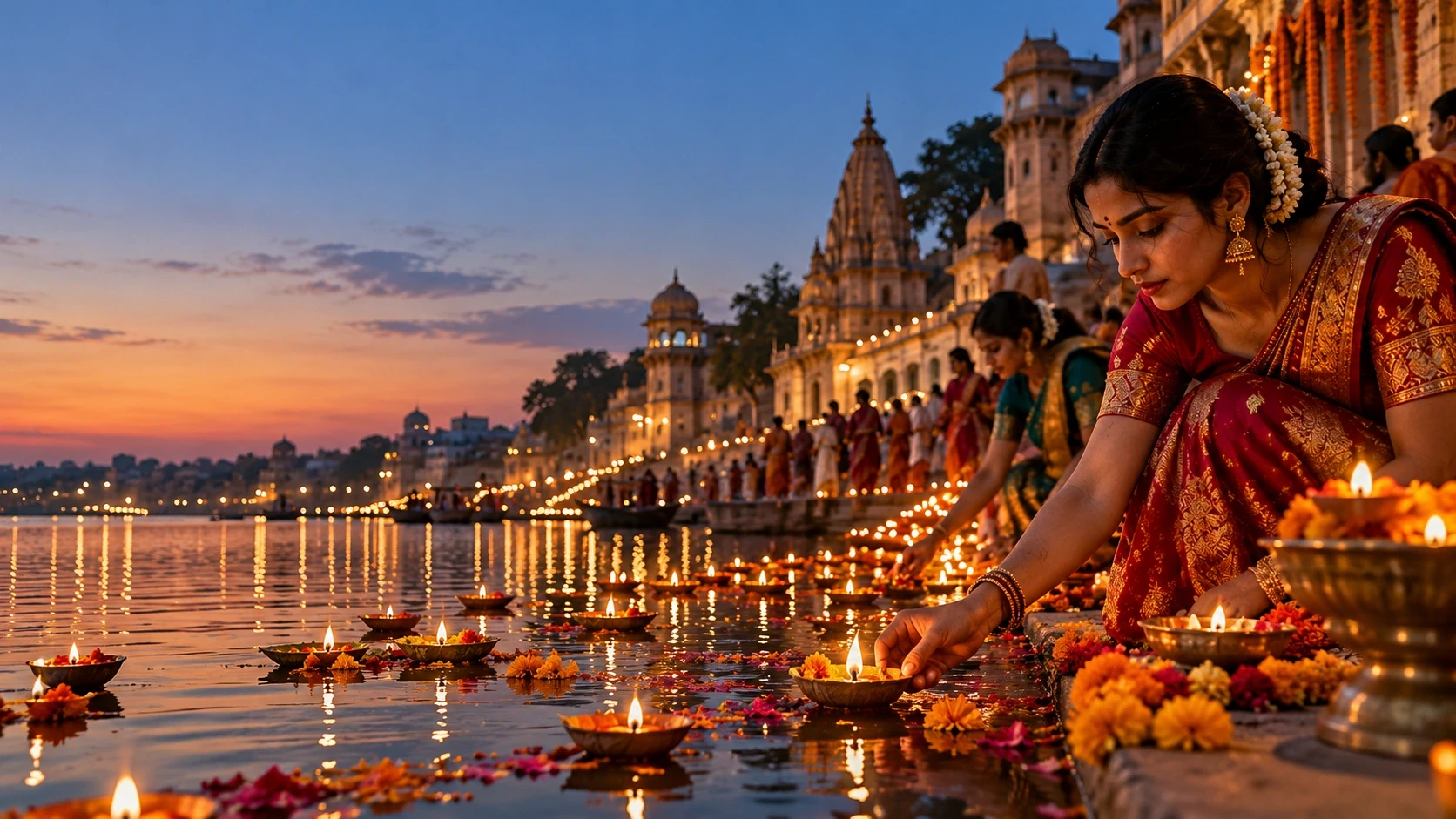
It is equally misleading to turn every festival of candles into the same story. Diwali uses light within different religious and cultural traditions. The reward of cultural travel lies in recognizing those differences. In Mexico, an offering is not simply a beautiful arrangement to look at: it can be a conversation between generations, sustained by the people who remember the names.
FAQ
Frequently Asked Questions
What is this PRESDA article about?
Explore Mexico's Day of the Dead, its layered history, ofrendas, Catrinas and regional traditions, with dates and respectful travel advice for 2026.
Which category does this story belong to?
This story is part of PRESDA's Travel coverage.
Who published this article?
Day of the Dead: Mexico's Celebration of Life and Death was published by PRESDA Editorial on PRESDA.
PRESDA Dispatch
Stay Informed. Stay Aware.
A sharp briefing across AI, gaming, sport, business, world affairs, paparazzi, and lifestyle.