Diwali: India's Spectacular Festival of Lights
Diwali falls on November 8 in India's 2026 holiday calendar. Explore its diverse religious meanings, lamps, family rituals and cultural significance.
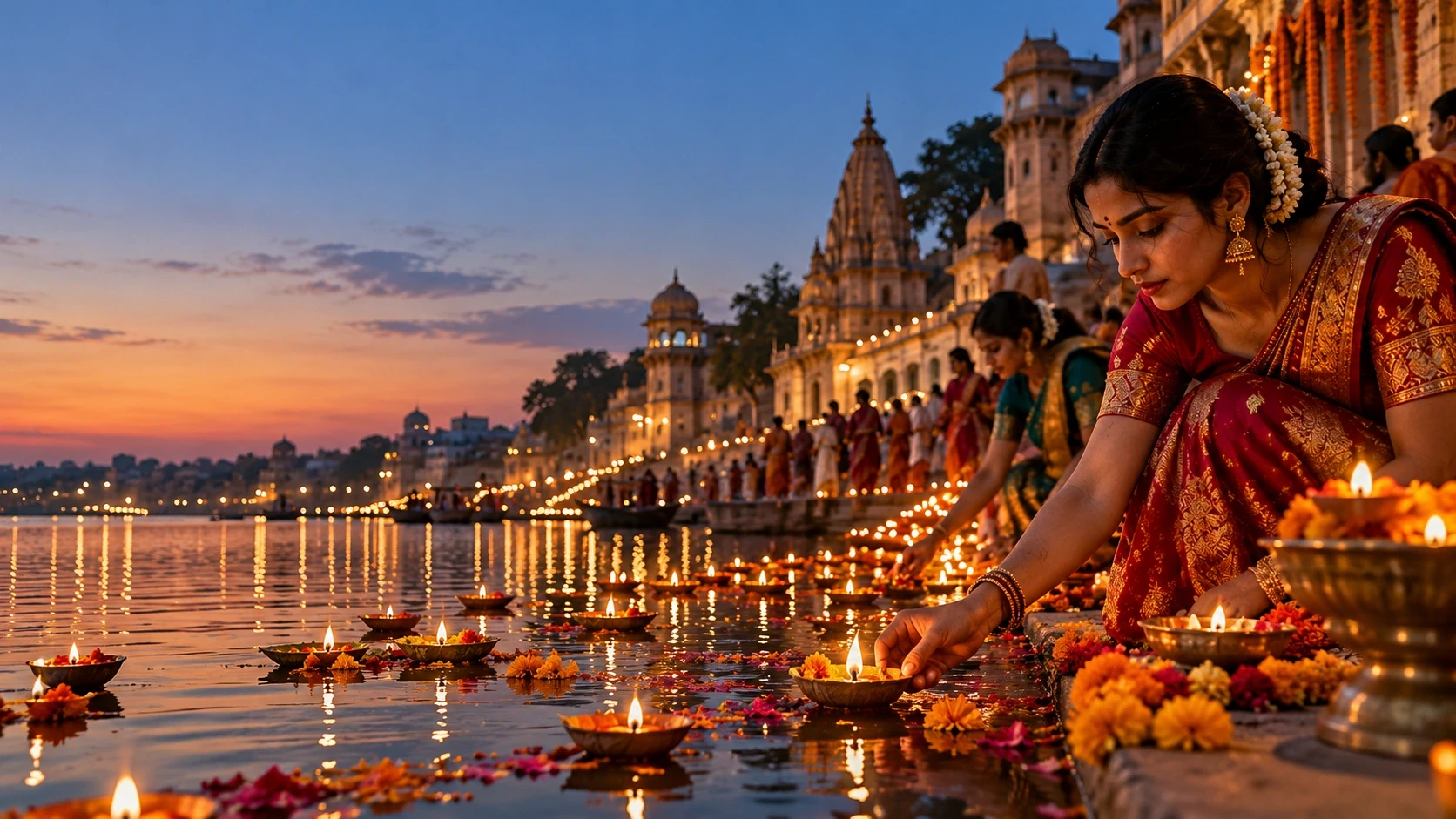
PRESDA AI-generated editorial illustration of riverside lamps. It does not document a named ghat or a 2026 ceremony. Diwali and Varanasi's later Dev Deepavali are distinct observances.
A small oil lamp can change the character of a room. Set beside a doorway or arranged with others, it turns light into a gesture of welcome. Diwali multiplies that gesture across homes, shops and public spaces, but its meaning cannot be reduced to a spectacular skyline. Behind the illumination are family obligations, religious stories, skilled work and different ways of imagining renewal.
India's official tourism holiday calendar lists Diwali on Sunday, November 8, 2026. That is a useful planning anchor, not a promise that every ritual or public event takes place that day. The festival follows a lunar calendar, and associated observances vary by region and community. Visitors should distinguish the central holiday from the surrounding sequence and check local schedules. Incredible India: public holidays
What the name tells us
Deepavali, also written Diwali, is commonly explained as a row of lights. The Sanskrit elements refer to lamps and a row or series. The physical image is direct: a single flame becomes a line, and individual households create a larger illuminated landscape. India's Ministry of Tourism describes the festival through this association with light and the worship of deities including Lakshmi and Ganesha. Ministry of Tourism: Diwali
The familiar language of light overcoming darkness can carry several meanings: knowledge, moral action, hope or the arrival of prosperity. It is a shared vocabulary rather than proof that all participants tell the same religious story. Asking what the celebration means in a particular household is more revealing than repeating a universal explanation over its doorstep.
Rama's return and Lakshmi's welcome
For many Hindus, especially in northern India, Diwali is connected with Rama's return to Ayodhya after exile, as narrated in the Ramayana. Lamps mark a welcome and the restoration of a rightful order within that sacred story. It should be presented as a religious narrative, not as an independently dated historical event. Asian Art Museum: celebrating Diwali
Lakshmi, associated with prosperity and good fortune, is central to many household observances. Cleaning and preparing a home, arranging lamps and offering worship can make the idea of welcome material. The Smithsonian's National Museum of Asian Art highlights this relationship between illumination and Lakshmi. Prosperity here need not be reduced to a shopping total: it can include the well-being of a household and the hope of a good beginning. Smithsonian: Diwali
One season, several religious histories
Other Hindu traditions emphasize different stories and deities, including Krishna's defeat of Narakasura and worship of Kali in parts of eastern India. These differences are not errors in an otherwise uniform festival. They show why a description centered on one region should not be made to speak for the entire country. The Rubin Museum's account follows this diversity across South Asia. Rubin Museum: one festival, many lights
For Jains, the season commemorates Mahavira's nirvana. Sikhs observe Bandi Chhor Divas, associated with Guru Hargobind's release from imprisonment, around the same period. These are distinct religious histories, not simply alternative names for Rama's return. India's official tourism guide identifies the Jain and Sikh associations while presenting the wider festival landscape. Incredible India: Diwali and related traditions
Why the calendar has more than one day
Diwali is often described as a five-day festival, with associated occasions such as Dhanteras, Naraka Chaturdashi, the principal night of worship, Govardhan Puja and Bhai Dooj. Names, emphasis and timing vary. Some calendars also connect the period to a new year, but it is inaccurate to call it the single New Year's Day of all Hindus or all Indians. Harvard Pluralism Project: Divali
For 2026 planning, begin with November 8 and then ask which observance matters to your host or destination. A community gathering abroad may be held on a convenient weekend; a family ritual may follow a specific auspicious time. The difference between a public holiday, a religious time and an event organizer's schedule is practical as well as cultural.
The household work behind the lamps
Rangoli designs, sweets, gifts and clean, decorated rooms make preparation visible. Their forms differ across households and regions. An elaborate display may depend on hours of work by people who receive less attention than the finished photograph. Appreciating the festival includes noticing the making, arranging, cooking and hosting that precede the evening.
The lamp itself also connects the celebration to crafts and commerce. Earthen diyas, decorative objects and food move through local markets as well as large retailers. Buying from a maker can make that relationship visible. It is reasonable to enjoy the shopping without assuming that greater spending demonstrates greater devotion, or that every family has the same resources to celebrate.
UNESCO recognition, and what it means
Deepavali was inscribed on UNESCO's Representative List of the Intangible Cultural Heritage of Humanity in 2025. UNESCO announced the inscription on December 10, 2025, during the twentieth session of the intergovernmental committee. This is relevant context for 2026: international recognition is recent, even though the traditions themselves are much older. UNESCO: Deepavali inscription
Intangible heritage concerns practices, knowledge and their transmission. Recognition does not freeze the festival into a museum object or certify every commercial event using its name. Families still adapt, communities debate and new generations make choices. The purpose of understanding heritage is to attend to the people sustaining it, not only to reproduce its most attractive visual symbols.
Diwali is not Varanasi's Dev Deepavali
Images of river steps covered in lamps are widely circulated, but they do not all show the same occasion. Varanasi's Dev Deepavali is a separate observance associated with Kartik Purnima, around fifteen days after Diwali. India's official tourism guide explicitly distinguishes the two. Booking a trip for November 8 does not by itself guarantee the later riverfront celebration.
Our hero is an AI-generated editorial illustration of lamps beside a river. It is not documentary evidence of a named ghat, a particular ceremony or the appearance of a 2026 event. The distinction protects both the reader's travel expectations and the actual traditions being described. For a specific riverfront program, confirm the local date, access and transport directly.
Joining a celebration thoughtfully
If invited into a home or religious space, ask about footwear, clothing, photography and participation before assuming. Follow the host's lead around offerings and prayer. Food requirements can differ between households and religious communities; asking what is appropriate is more respectful than treating one menu as universal. A public display is also different from permission to photograph a private ritual.
Crowds, transport demand and temporary closures can affect a journey. Book necessary travel early, verify the operating hours of places you intend to visit and allow extra time after evening events. There is no single national ticket price for Diwali: a home gathering, a temple visit and a commercial performance are different experiences with different conditions.
Light, celebration and environmental choices
Fireworks are prominent in some celebrations, but they are not the whole festival. Noise, smoke, waste and local restrictions deserve attention. India's government has promoted initiatives intended to reduce environmental impacts, including cleaner celebrations and work on so-called green crackers; such labels should not be interpreted as meaning zero pollution or no risk. Rules must be checked locally for the relevant date. Press Information Bureau: Deepavali and contemporary initiatives
Reusable decorations, carefully managed lamps and responsible disposal offer ways to take part without equating celebration with maximum consumption. Keep flames away from fabrics and supervise children around them. The meaningful choice is not between preserving culture and caring for surroundings; communities continually decide how to do both through the materials and practices they use.
Seeing more than a festival photograph
Diwali's power lies partly in making large ideas intimate: a welcome at a door, a gift between relatives, a story retold to a child. Its diversity makes the festival richer, not harder to understand. A precise account can explain the shared prominence of light while allowing different communities to retain their own histories.
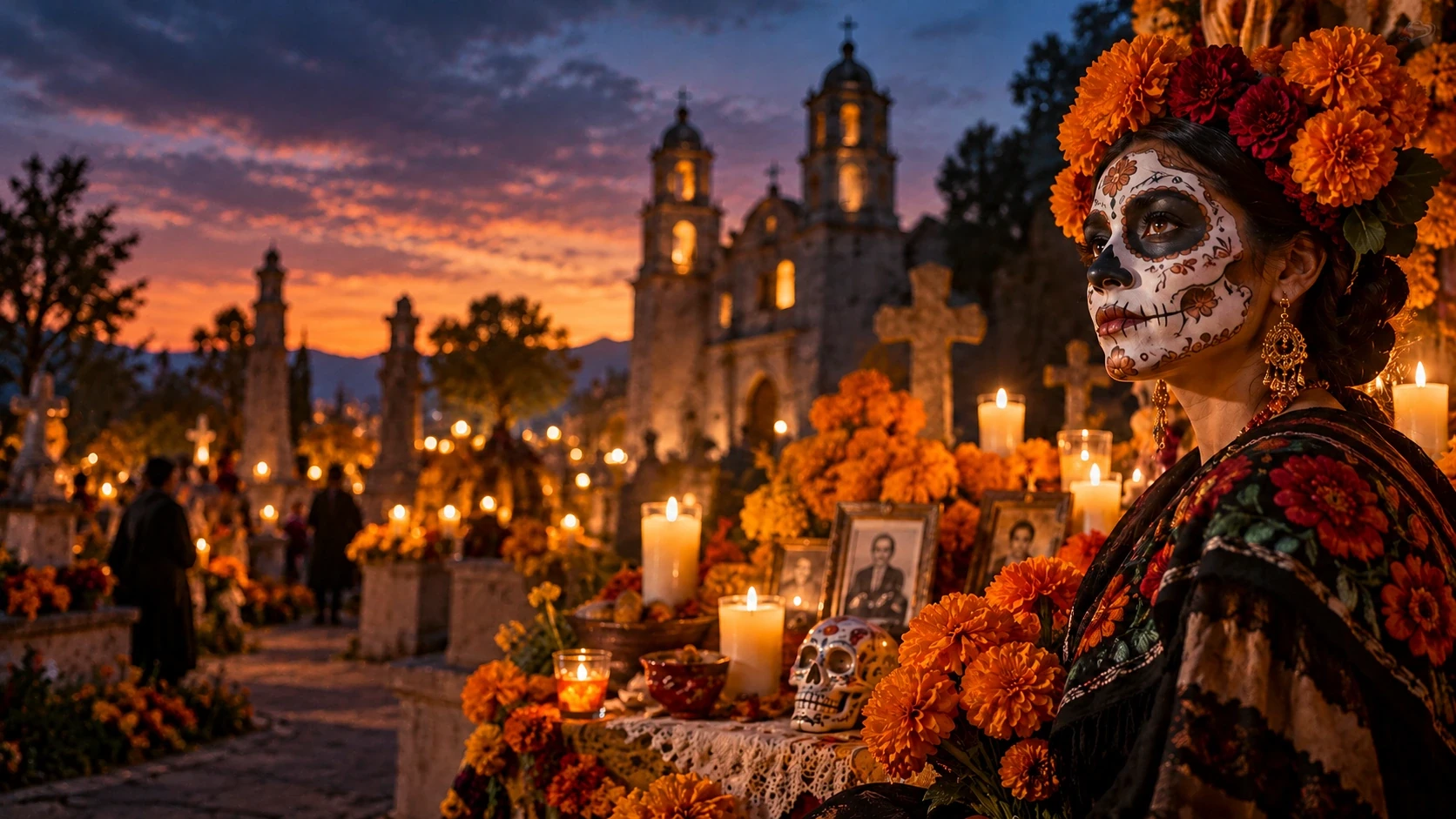
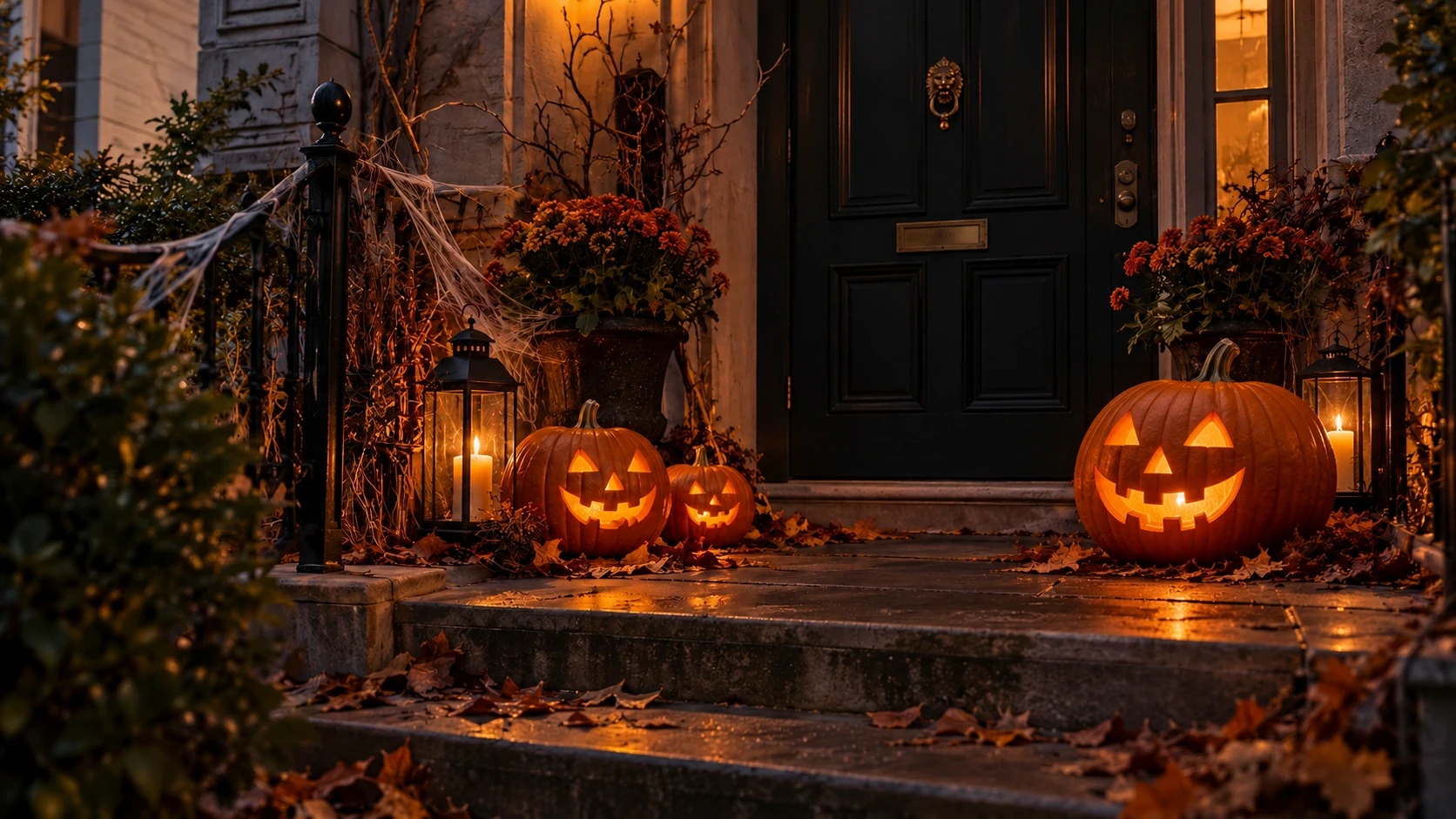
Our features on Halloween and Mexico's Day of the Dead also explore how seasons, memory and household practices become public celebrations. The comparison is useful because the meanings differ. Diwali deserves to be encountered through its participants, not reduced to a universal photograph of beautiful lamps.
FAQ
Frequently Asked Questions
What is this PRESDA article about?
Diwali falls on November 8 in India's 2026 holiday calendar. Explore its diverse religious meanings, lamps, family rituals and cultural significance.
Which category does this story belong to?
This story is part of PRESDA's Lifestyle coverage.
Who published this article?
Diwali: India's Spectacular Festival of Lights was published by PRESDA Editorial on PRESDA.
PRESDA Dispatch
Stay Informed. Stay Aware.
A sharp briefing across AI, gaming, sport, business, world affairs, paparazzi, and lifestyle.