OpenAI Next Generation Models: What Is Confirmed In 2026
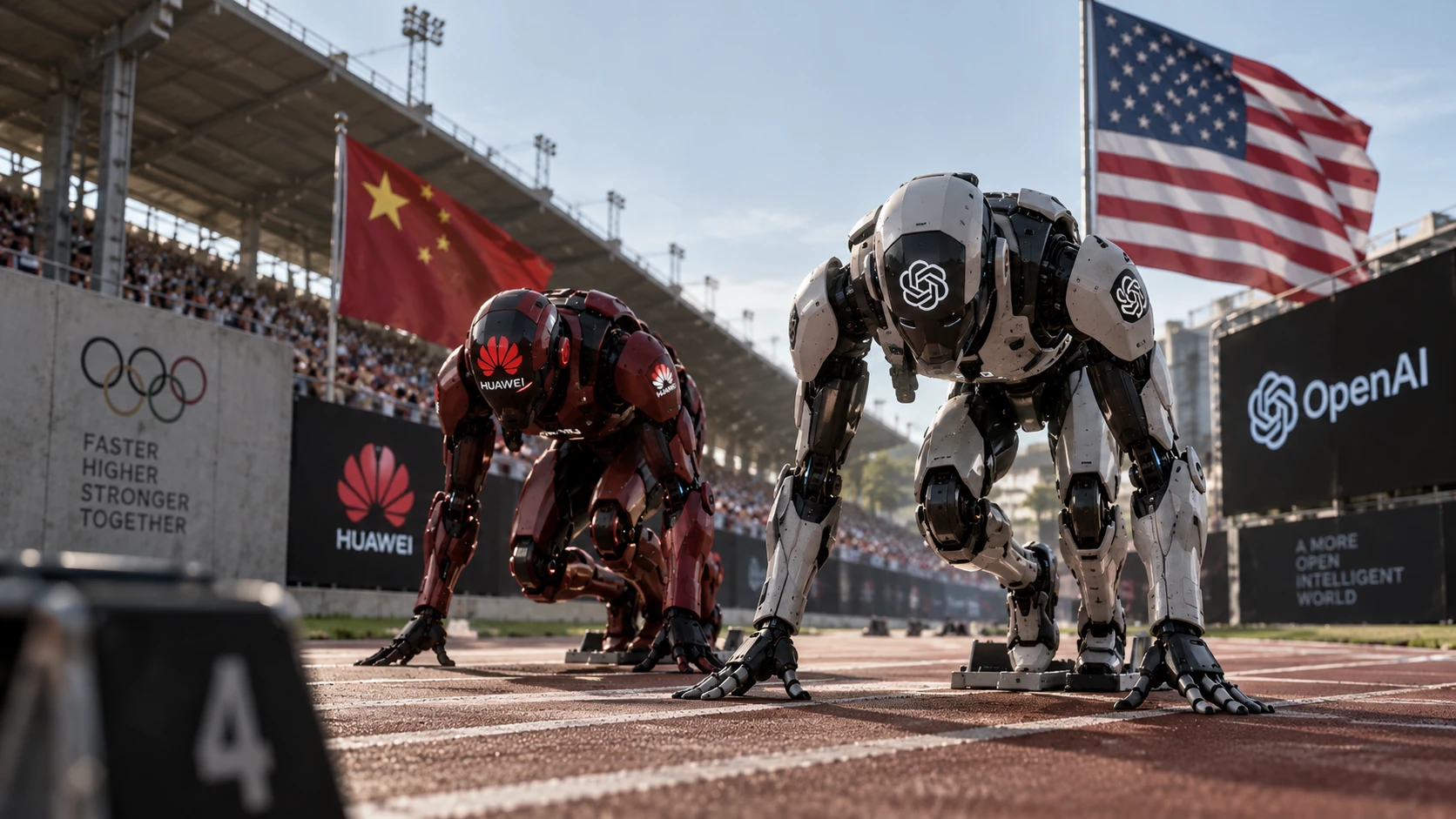
OpenAI's next generation model story is no longer about one vague launch. In 2026, it is about confirmed progress in reasoning, multimodal systems, agents, safety and real-world usefulness.
What has OpenAI actually announced, and what remains a prediction? Its model releases and safety publications offer firmer evidence than rumored launch dates. This guide explains the confirmed direction of its reasoning, multimodal and agentic systems, the limits of those claims, and what readers should check before choosing a model.
The confirmed picture is more specific. OpenAI's public materials show a model roadmap centered on stronger reasoning, multimodal capability, agentic work, safety evaluations and practical usefulness. The company has described GPT-5 as a major public model generation, while its deployment safety materials describe GPT-5.6 as a newer model family with stronger capability and tailored safeguards. Anything beyond OpenAI's own announcements should be treated as speculation.
What OpenAI Has Confirmed In 2026
OpenAI's official GPT-5 page describes GPT-5 as a major step in intelligence and usefulness, with thinking built in and broader support across subjects such as math, science, finance, law and writing. That matters because the next generation of AI models is not only about producing fluent text. It is about whether a system can reason, follow instructions, use tools, handle context and help people complete real work.
OpenAI's Deployment Safety Hub also describes GPT-5.6 as a family of models with different performance and cost profiles. The safety card frames the launch around capability, safeguards and risk evaluation rather than hype. That distinction is important: a frontier model is not just a product upgrade. It is a system that must be evaluated for what it can do, where it can fail and how it should be deployed.
OpenAI Next Model: Confirmed Facts Versus Speculation
A model announcement, a ChatGPT feature and an API rollout are different things. Before treating a capability as available, check the named model, the product in which it is offered and any access restrictions. An announced research result does not by itself establish that every user has the same feature, tools or limits.
What can be said responsibly is that OpenAI's current direction is visible through official releases, research pages, model documentation and safety publications. The company is investing in reasoning models, multimodal systems, real-world task performance, coding agents, education tools, enterprise deployment and infrastructure for large-scale AI workloads.
Why Reasoning Is Central To Next Generation AI Models
Reasoning has become one of the defining themes of next generation AI models. OpenAI's 2024 research post on learning to reason with large language models introduced the idea of models spending more compute on difficult problems, while later product and safety materials continued to emphasize stronger problem-solving.
For users, reasoning is not an abstract benchmark. It affects whether a model can compare options, catch contradictions, plan multi-step work, debug code, explain assumptions and avoid shallow answers. The better question is not whether a model sounds intelligent. It is whether it can help when the task is messy and the stakes are real.
Multimodal Models Are Becoming Normal
OpenAI's research page describes work across frontier models, reasoning, multimodal systems and safe deployment. That reflects a wider industry shift: modern AI models are expected to work across text, images, audio, code, documents, charts and interface screenshots.
This matters for practical work. A student may need help with a diagram. A newsroom may compare text and image context. A developer may share a screenshot of a broken interface. A business team may ask a model to understand a chart, summarize a document and draft a response. Next generation AI models become more valuable when they can move across those formats without treating each one as a separate tool.
Agents And Real-World Work
OpenAI's GDPval research introduced an evaluation focused on economically valuable, real-world tasks across occupations. The point of that work is larger than one benchmark: AI models are increasingly judged by how well they support actual professional workflows, not only by how they perform on academic tests.
That connects directly to AI agents. An agentic system is expected to do more than answer a prompt. It may need to plan, use tools, check intermediate results, revise work and keep track of a user's goal. PRESDA's separate guide to AI agents and jobs explores how this affects work, tasks and skills.
Safety, Reliability And Model Risk
The most important future models will not be judged by capability alone. OpenAI's safety materials describe evaluations around areas such as cybersecurity, biological and chemical risk, and broader preparedness. The point is not to claim that every model is dangerous. It is to show that advanced capability creates responsibilities around testing, deployment and safeguards.
Reliability is equally important for ordinary users. A model can be useful and still be wrong. It can summarize quickly and still miss context. It can write code and still introduce a bug. Next generation AI systems need better truthfulness, better uncertainty handling and clearer boundaries around what they know.
Business Impact Of OpenAI AI Models
OpenAI AI model development now sits inside a much larger business ecosystem. Companies care about speed, cost, privacy, tool access, governance, integrations and whether models can be deployed safely inside real operations. That is why model documentation and infrastructure partnerships matter almost as much as headline demos.
OpenAI's announced AWS partnership, for example, described expanded infrastructure for advanced AI workloads and agentic workloads. For readers, the takeaway is simple: future models are limited not only by algorithms, but by compute, deployment systems, safety testing and the ability to serve users reliably at scale.
What To Watch Next
The safest way to follow OpenAI future models is to watch official OpenAI announcements, model documentation, release notes and safety cards. Major reporting can add context, but primary sources should set the factual baseline.
Useful questions include: has OpenAI named the model? Has it published a system card or safety evaluation? Is the model available in ChatGPT, the API or both? Are capabilities described with benchmarks, examples or limits? Has OpenAI explained how the model should and should not be used?
The next generation of AI will be defined by usefulness, but also by proof.
Final Word
For anyone deciding whether a new model is useful, the practical test is the work it can reliably complete. Compare its documented capabilities, limitations, availability and cost with the task in front of you. Stronger reasoning or a better benchmark result can matter, but neither removes the need to check important outputs.
What remains uncertain should stay uncertain. Model names, exact launch dates, benchmark scores and future capabilities should come from OpenAI or clearly identified reporting before being stated as fact. For more PRESDA context, read Why people trust AI like a friend, Will AI agents replace jobs? and the wider AI coverage.
FAQ
Frequently Asked Questions
What is OpenAI's next generation model?
OpenAI's confirmed public materials in 2026 point to a model direction built around stronger reasoning, multimodal capability, agentic workflows, safety evaluations and practical usefulness. PRESDA avoids naming unannounced future models unless OpenAI confirms them.
Has OpenAI announced a new model in 2026?
OpenAI's official materials should be the factual baseline for any model announcement. By September 2, 2026, OpenAI public pages and safety materials described GPT-5 and GPT-5.6-related model information, but unsupported model names or release dates should not be treated as confirmed.
What makes next generation AI models different?
Next generation AI models are increasingly judged by reasoning, multimodal understanding, tool use, reliability, safety testing, cost, speed and usefulness in real-world tasks rather than by fluent text alone.
Are OpenAI future models confirmed before launch?
No. Future models should be treated as speculation until OpenAI publishes an announcement, documentation, release note or safety material confirming the model and its capabilities.
Why do OpenAI model safety cards matter?
Safety cards explain how OpenAI evaluated model risks and safeguards before deployment. They help readers understand capability and risk without relying only on marketing language.
PRESDA Dispatch
Stay Informed. Stay Aware.
A sharp briefing across AI, gaming, sport, business, world affairs, paparazzi, and lifestyle.