SAMURAI: THE WARRIORS WHO SHAPED FEUDAL JAPAN
Explore the samurai beyond the sword: their changing military and political roles, artistic patronage and the myths surrounding a supposedly timeless warrior code.
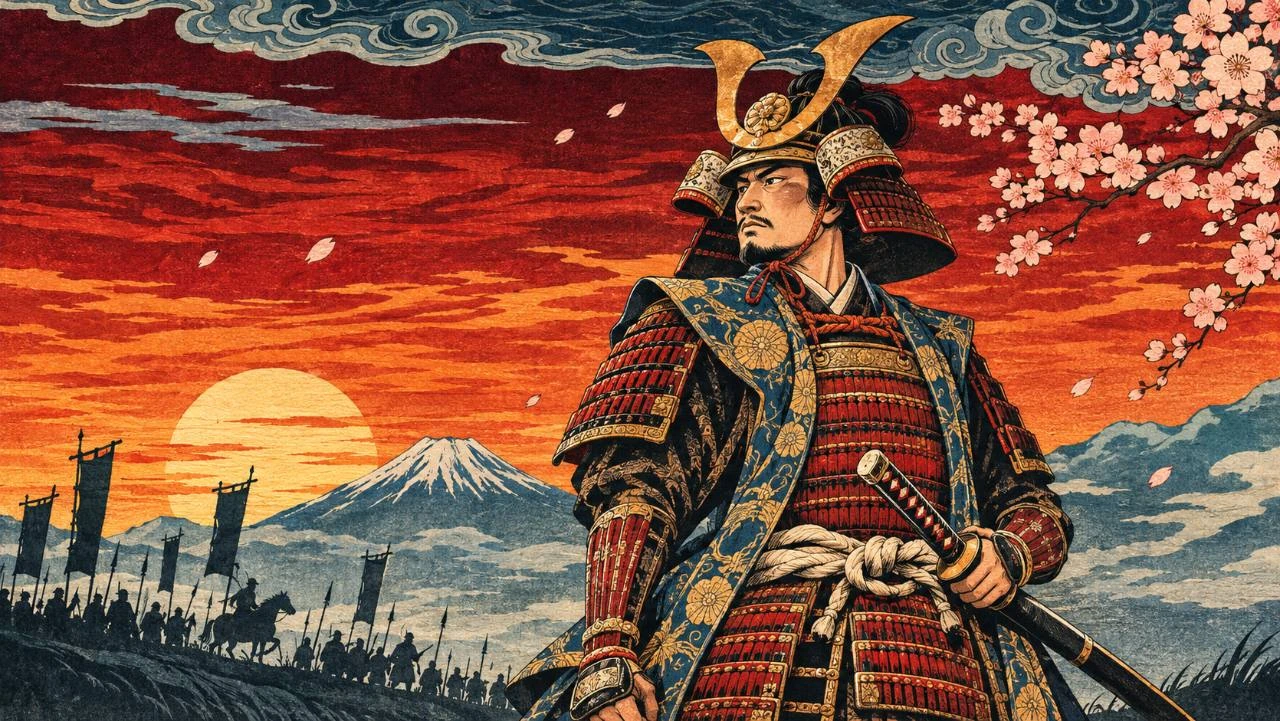
Modern historical illustration, not an authenticated period artwork or portrait. Armour, weapons and landscape are stylised and do not document a particular warrior or battle. Editorial image supplied for PRESDA. Original creator and reuse licence not provided.
A sword, a helmet and a disciplined silhouette can make the samurai seem immediately familiar. The apparent familiarity is misleading. The term covers people separated by centuries, wealth, geography and the work they actually did. A mounted warrior in a medieval conflict, a lord’s senior retainer and an Edo-period official belonged to changing social worlds. The most revealing question is not whether they fit one heroic image, but how warrior service became political power and then a durable cultural memory.
Service, land and authority
The Victoria and Albert Museum traces the name samurai to service and connects the rise of warrior groupings with the protection and expansion of provincial domains. Military elites eventually exercised far-reaching authority through shogunates and regional lords. Feudal Japan is a useful broad label in a headline, but it is not a precise description of an unchanged system. Relationships between the imperial court, shoguns, local power and retainers shifted repeatedly. Victoria and Albert Museum: Japanese arms and armour
The sword was only part of the arsenal
The Metropolitan Museum’s Art of the Samurai exhibition brought together armour, swords, archery equipment, firearms and equipment for horses. That range is an important corrective to the endless cinematic sword duel. Warriors operated within armies, logistics and changing technologies. An object can carry symbolism without being the only effective tool on a battlefield. The two swords associated with samurai status should not erase the importance of bows, polearms or guns in Japanese military history. Metropolitan Museum of Art: Art of the Samurai
What warriors did in peacetime
An Edo-period ceremonial suit in the Ashmolean collection helps reveal another dimension. Armour could display rank and wealth even when large-scale warfare was no longer an everyday occupation. Under Tokugawa rule, many samurai served in administration rather than spending their lives in combat. The surviving objects invite a different reading: alongside martial training were duties, status expectations and the costs of maintaining an elite identity. Ashmolean Museum: ceremonial samurai armour
The V&A also emphasises literary and administrative skills and the patronage of painting, sculpture and poetry. Culture was not an ornamental footnote to military society. It helped elites cultivate relationships, demonstrate education and present authority. Remembering that role does not make warfare less violent; it makes the people exercising power harder to reduce to a single weapon. Victoria and Albert Museum: Japanese arms and armour
Bushidō and the temptation of one timeless code
Historian Oleg Benesch warns against projecting one widely accepted, unchanging warrior ethic across pre-modern Japan. Ideals of loyalty and duty existed, but they were interpreted differently, and bushidō was reinvented and popularised in the modern period. Moral prescriptions are not a complete record of behaviour. The samurai legacy becomes clearer when we distinguish what people did, what writers urged them to do and what later generations wanted them to represent. Oleg Benesch, Japan House London: bushidō between history and myth
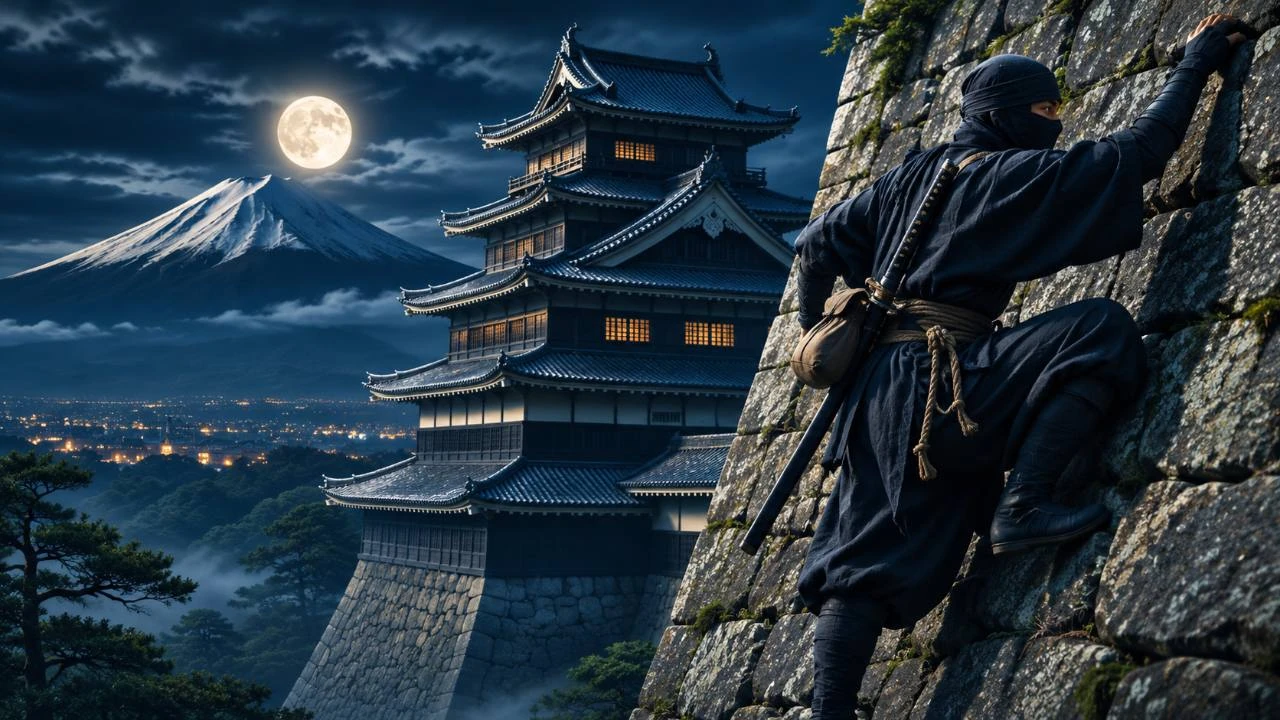
Related reading: The real spies behind the ninja legends.
FAQ
Frequently Asked Questions
Were all samurai full-time fighters?
No. Their roles varied by period and status. Many Edo-period samurai worked in administration and other forms of service.
Did samurai use guns?
Yes. Firearms form part of the historical Japanese military record, alongside bows, polearms and swords.
Was bushidō one unchanged medieval rulebook?
No. Warrior ideals varied, and the modern popular understanding of bushidō should not be projected unchanged across centuries.
PRESDA Dispatch
Stay Informed. Stay Aware.
A sharp briefing across AI, gaming, sport, business, world affairs, paparazzi, and lifestyle.