TÜRKİYE RECEIVES ITS FIRST THREE KIZILELMA UNMANNED FIGHTER JETS
Baykar delivered three KIZILELMA unmanned fighter aircraft on November 19, 2026. The verified milestone, development history and limits of the claims.
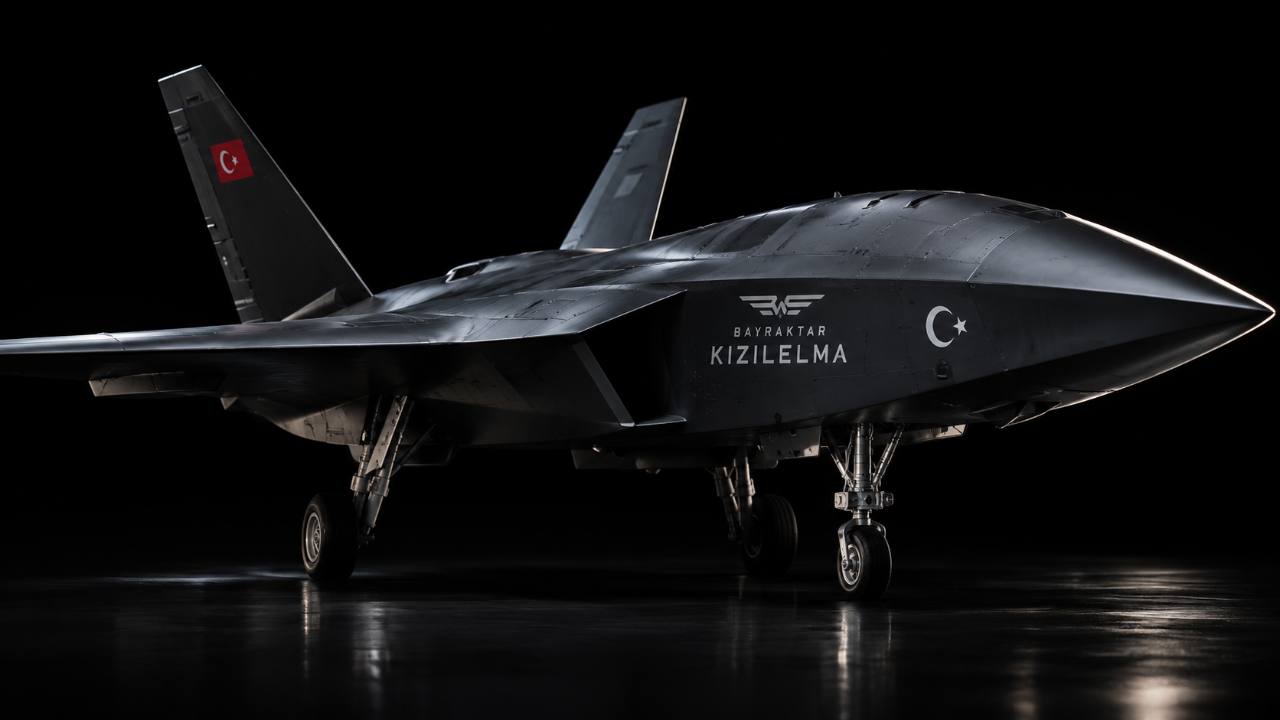
Original editorial visual supplied for PRESDA, preserved unchanged. Not authenticated photography of the November 19, 2026 delivery or proof of a particular operational configuration.
Türkiye has received the first three Bayraktar KIZILELMA unmanned fighter aircraft, moving a closely watched development programme into the military inventory. Baykar announced the delivery on November 19, 2026, after acceptance tests, and said the aircraft had been handed to the country’s security forces. This is a domestic delivery milestone, not an announcement of a new export customer. Baykar: November 19 delivery announcement
The Turkish presidency also confirmed the aircraft’s addition to the armed forces’ inventory. Anadolu reported the same first-three-aircraft delivery on November 19. Together, those accounts establish the central news: aircraft have been accepted and delivered. They do not disclose every detail of their unit assignment, readiness or future deployment. Presidency: November 19 inventory confirmation Anadolu: first three aircraft and official confirmation
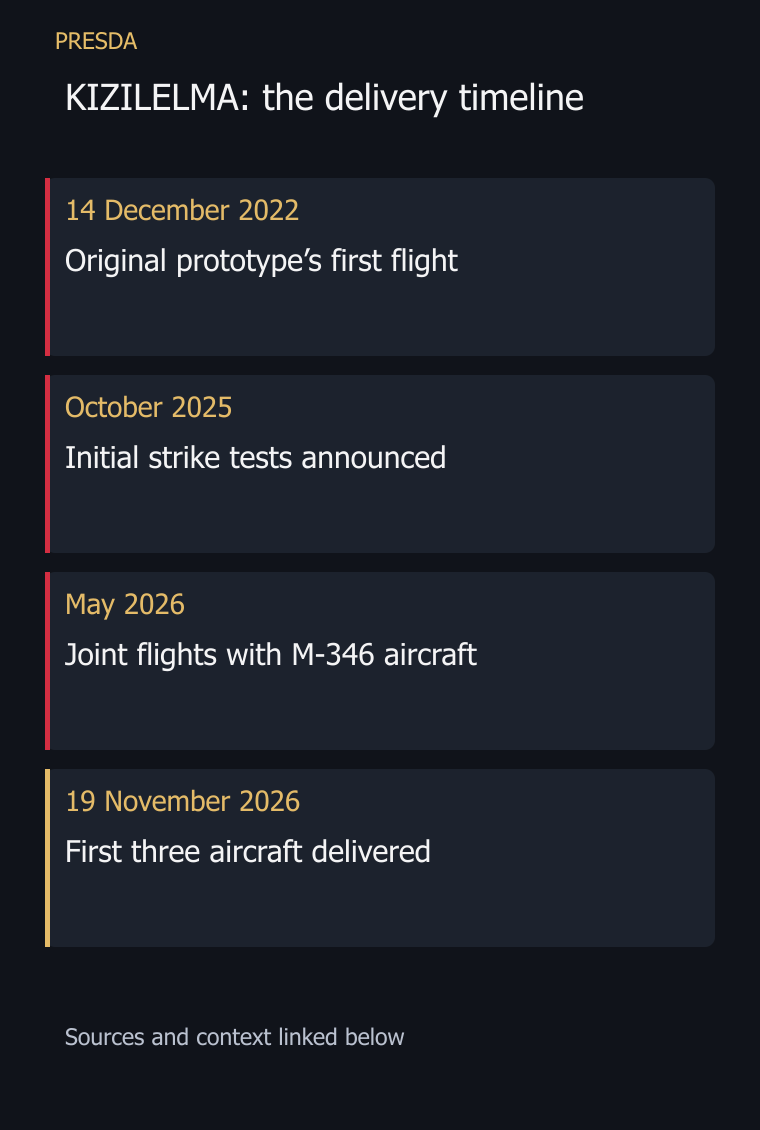
| Date | Documented development |
|---|---|
| 14 December 2022 | Original prototype’s first flight |
| October 2025 | Initial strike tests announced |
| May 2026 | Joint flights with M-346 aircraft |
| 19 November 2026 | First three aircraft delivered |
What changed on November 19
For an aviation programme, entering an inventory is different from unveiling a prototype or making a first flight. A prototype demonstrates that a design can move through testing; delivery follows an acceptance process and transfers aircraft to the customer. It creates the basis for operating experience, training and support, while leaving further development possible. The significance is practical as well as symbolic.
Baykar said test and training activities had reached 600 sorties by the announcement. That figure describes programme activity, not 600 combat missions or a tally of delivered aircraft. The delivered batch consisted of three. Keeping those two measures separate prevents an impressive test total from being mistaken for an operational fleet size. Baykar: November 19 delivery announcement
The company framed the delivery as a world first for the operational induction of an unmanned fighter jet. That is Baykar’s classification and claim. It should not be expanded into saying that Türkiye invented armed drones or that no uncrewed combat aircraft existed previously. The narrower category concerns a jet-powered fighter-type platform entering service, not the entire history of unmanned military aviation.
From a first flight to a delivered aircraft
KIZILELMA first flew on December 14, 2022. Baykar’s account of the later production prototype distinguishes that original aircraft from the design’s subsequent evolution. The period between first flight and the 2026 delivery therefore represents a development sequence, rather than four years in which the aircraft was already operating as a delivered fleet. Baykar: production prototype development
That sequence included changes in prototypes, flight testing and systems integration. Baykar announced initial strike tests in October 2025; its dated account identified TOLUN and TEBER-82 among the munitions tested. These were reported trials within a development programme. They are not evidence of combat use, and a successful test should not be rewritten as an account of an operational mission. Baykar: first strike tests, October 2025
The November delivery statement also described later air-to-air and internal-bay testing. Such milestones help explain why the programme attracts attention beyond a conventional surveillance-drone story. They remain claims about particular tests under specified conditions, rather than a guarantee that every advertised mission can be performed in every environment. Baykar: November 19 delivery announcement
A fighter-shaped drone is still a complete aviation system
An unmanned aircraft does not operate in isolation simply because there is no pilot in its cockpit. Communications, maintenance, mission preparation, personnel and the wider command structure remain part of an aviation capability. Delivery adds physical aircraft to that system; it does not remove the need to develop the organisation around them.
KIZILELMA: milestones before the first delivery
PRESDA · baykartech.com / aa.com.tr / leonardo.com / iletisim.gov.tr
This is why the first batch matters without needing to be described as a finished transformation of air combat. An initial delivery can begin a new phase of learning and integration. Fleet size, sustained availability and later procurement would each require their own evidence. The announcement supplies the first number, three aircraft, rather than a verified long-term production total.
What the current specifications actually say
Baykar’s current product page lists an 8,500-kilogram maximum take-off weight and a 1,500-kilogram payload capacity. It gives a length of 14.5 metres, a 10-metre wingspan and a turbofan power plant. These published specifications describe a substantially different machine from a small consumer quadcopter, and they help explain the manufacturer’s use of the fighter-aircraft category. Baykar: current published KIZILELMA specifications
The same page lists a cruise speed of Mach 0.6, a maximum of Mach 0.9 and endurance exceeding three hours. Readers should not turn those numbers into a claim that the published configuration is already supersonic. Nor should performance figures be assumed to apply unchanged to every possible variant, payload or mission profile. They are the manufacturer’s current published figures. Baykar: current published KIZILELMA specifications
Autonomous flying is not the same as unrestricted decision-making
The current specifications list autonomous taxiing, take-off, cruise and landing. These are flight functions. Their presence does not, by itself, establish that a weapon can be used without human authority or explain the rules under which a military operator would employ the aircraft. An account of autonomy needs to name the function being automated rather than treating the word as a single all-purpose capability. Baykar: current published KIZILELMA specifications
A separate Leonardo and Baykar statement about 2026 trials provides a concrete illustration. The companies reported joint flights involving KIZILELMA and Leonardo M-346 aircraft at Çorlu in May. The programme examined cooperation between crewed and uncrewed platforms, with the release describing the transition from simulation to live testing. Leonardo and Baykar: 2026 crewed/uncrewed flight trials
Leonardo’s account said pilots in the crewed aircraft commanded formations that KIZILELMA executed autonomously. It also described preserving control and decision-making as the technology developed. That is a more precise picture than imagining a jet acting independently of every human and every other system. It demonstrates a particular tested form of cooperation, not an unlimited autonomous combat scenario. Leonardo and Baykar: 2026 crewed/uncrewed flight trials
Carrier ambitions and the work still ahead
Baykar’s product description also discusses short-runway carrier operations while saying development work continues to enable aircraft-carrier use. A listed design ambition should not become a claim that this delivery announcement proves routine carrier deployment. The November news establishes delivery to Turkish forces; a particular shipboard operational milestone would need separate confirmation. Baykar: current published KIZILELMA specifications
The distinction matters because delivery, flight autonomy, crewed/uncrewed cooperation and carrier operations are different achievements. They may belong to the same programme, but one does not automatically verify all the others. Following the project responsibly means watching those milestones individually as testing and service experience continue.
A new chapter in a much wider drone industry
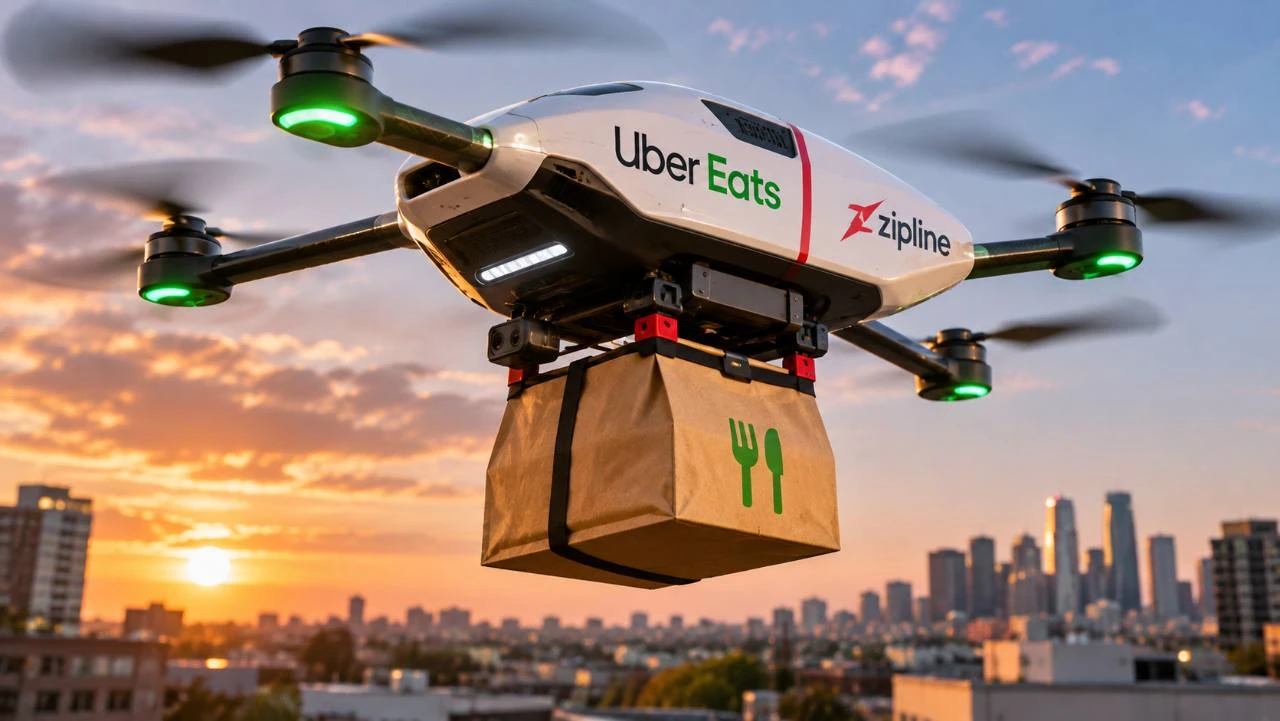
The broader unmanned-aircraft sector includes civilian and military systems with very different purposes. PRESDA’s report on Uber Eats and Zipline’s food-delivery drones explores a commercial application. KIZILELMA belongs to a different category, with different equipment, responsibilities and operational demands. The shared absence of an onboard pilot does not make the systems equivalent.
The verified headline is substantial enough: the first three KIZILELMA aircraft were delivered on November 19 after acceptance tests, and the Turkish presidency confirmed their entry into the inventory. The next phase will be judged through documented service experience and further milestones, rather than through unsupported claims that a first batch has already settled the future of air combat.
FAQ
Frequently Asked Questions
How many KIZILELMA aircraft were delivered?
Baykar announced a first batch of three aircraft on November 19, 2026, following acceptance tests. The programme’s reported 600 sorties are not a delivered-fleet count.
Who received the aircraft?
Baykar referred to Türkiye’s security forces, while the presidency confirmed entry into the Turkish Armed Forces’ inventory. The sources do not establish a particular unit assignment here.
Is the current published KIZILELMA specification supersonic?
Baykar’s current product page lists Mach 0.9 maximum speed and Mach 0.6 cruise. Those figures should not be described as supersonic performance.
Does autonomous flight mean there is no human control?
No. Autonomous flight functions and authority over military decisions are different matters. The Leonardo trials described pilots commanding formations that the unmanned aircraft executed autonomously.
PRESDA Dispatch
Stay Informed. Stay Aware.
A sharp briefing across AI, gaming, sport, business, world affairs, paparazzi, and lifestyle.