MACY’S 100TH PARADE MOVES TO NOVEMBER 28
Macy’s 100th Thanksgiving parade has moved to November 28 amid storm concerns. The confirmed change, planned celebration and century of history explained.
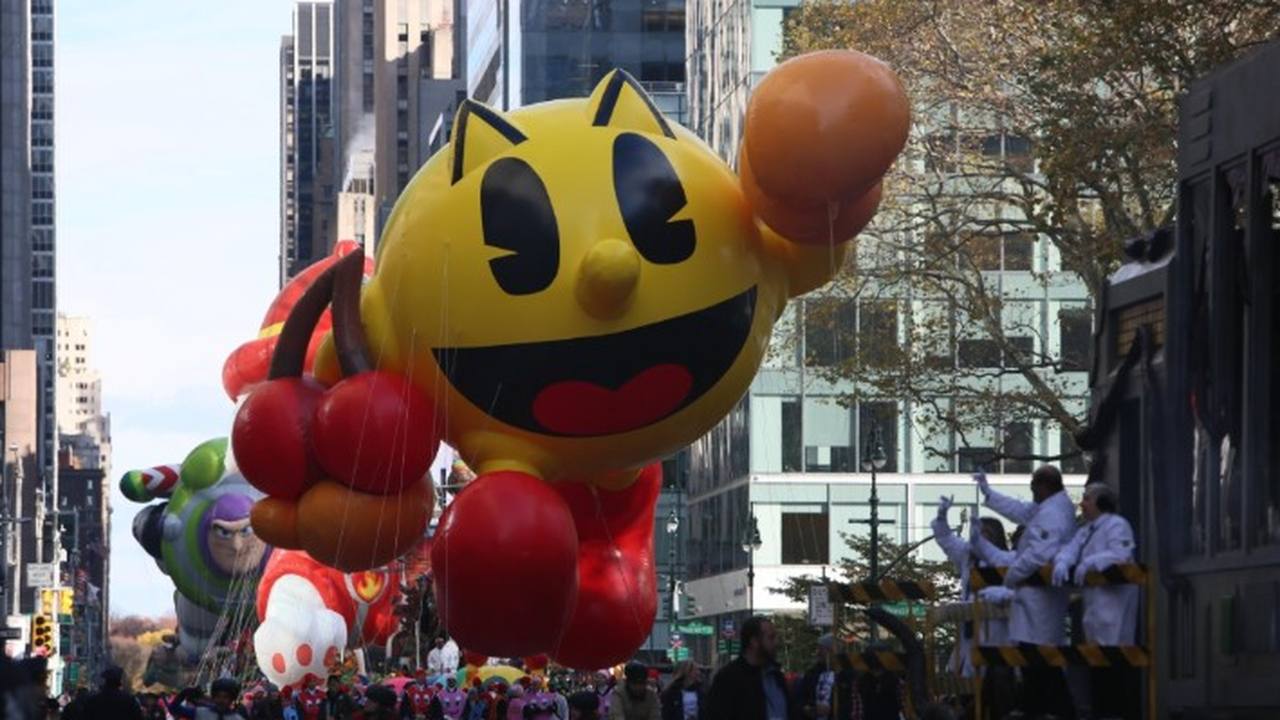
Supplied parade image, preserved unchanged. It illustrates the tradition and is not presented as a photograph of the rescheduled 2026 event.
Macy’s 100th Thanksgiving Day Parade has been moved to Saturday, November 28, 2026, because of the weather threat. In a statement reported by NBC New York on November 25, the retailer said the parade would start at 8:30 a.m. and that operational details were still being worked out. The milestone remains the 100th edition, but it must no longer be described as a completed Thanksgiving Thursday celebration. NBC New York, November 25, 2026: Macy’s statement moving the parade to Saturday
The change places an unusually sharp spotlight on what the event actually is: a live production, an enormous street operation and a piece of New York’s commercial and cultural history. Balloons and performers are the visible surface. Underneath are rehearsals, handlers, route management and coordination with city agencies. A century-scale anniversary programme cannot remove those practical constraints. NBC New York, November 25, 2026: Macy’s statement moving the parade to Saturday Macy’s, November 13, 2026: original 100th parade announcement
What is confirmed, and what was the original plan?
The November 13 organizer release and the newer postponement report describe different stages of the same event. The earlier release is useful for understanding the intended scale; the later statement governs the date change. Keeping those records separate avoids the common mistake of publishing an old schedule as current or turning an announced lineup into a report of performances that have already happened. NBC New York, November 25, 2026: Macy’s statement moving the parade to Saturday Macy’s, November 13, 2026: original 100th parade announcement
| Question | Verified position |
|---|---|
| Edition | 100th parade in 2026, not the event’s 100th anniversary |
| Original date | Thursday, November 26, 2026 |
| Revised date | Saturday, November 28, 2026, according to Macy’s statement reported by NBC |
| Reported start | 8:30 a.m.; operational details were still being finalized |
| Original production plan | 100 inflatables and more than 11,000 volunteers and participants |
Why 2026 is the 100th edition, not the centenary
The first parade took place on Thanksgiving Day, November 27, 1924, originally under the name Macy’s Christmas Parade. The Library of Congress traces the event’s early commercial setting and its later evolution. The hundredth anniversary of that beginning was in 2024. Counting actual editions is a different exercise, because the parade did not take place during the three wartime years of 1942–1944. Library of Congress: Macy’s Thanksgiving Parade history Museum of the City of New York: holiday traditions and the parade
The arithmetic explains a headline that otherwise sounds two years late. From 1924 through 2026 there are 103 calendar years when counted inclusively; subtract the three missing editions and the planned 2026 event becomes number 100. A postponement within the same year changes the schedule, not that count. It also does not mean that the event has never previously been interrupted or substantially altered.
How balloons became the visual language of the parade
Early parades used floats, performers and live animals. Character balloons entered the story in 1927, with Felix the Cat identified by the Library of Congress as the first parade balloon. The change helped establish a form of spectacle that could be recognized at a distance: oversized familiar figures moving between buildings rather than a stage bounded by a theater’s walls. Library of Congress: Macy’s Thanksgiving Parade history
The appeal depends on scale and setting working together. A cartoon face becomes surprising when it appears to look down a real avenue. Photographs compress that contrast into a single image; television adds movement, music and the anticipation of the next character. The tradition is therefore both a street experience and a media event, with different audiences seeing different versions of the same production.
The return of a historical Blue Hippo
Among the original anniversary plans was a revived Blue Hippo associated with the 1931 parade. Associated Press reported that the lost design was reconstructed from historical pictures and footage. That is a modern reconstruction of a historical balloon, not the survival of an untouched 1931 object. The distinction makes the restoration more interesting: designers translate an old visual record into a new structure that must work in present-day conditions. Associated Press, November 24, 2026: planned 100th edition and restored Blue Hippo Macy’s, August 2026: countdown and 100th edition preparations
The announced show and the limits of a lineup
Macy’s original release described 100 inflatables and more than 11,000 volunteers and participants. The count should remain attached to its category: inflatables include a broader programme than giant character balloons alone. Likewise, the participant figure is an organizer’s advance production number, not an independently counted street audience or a final attendance result for the rescheduled event. Macy’s, November 13, 2026: original 100th parade announcement
The original musical programme included Megan Moroney, Teddy Swims and Queen Latifah, among other names, with a planned Dolly Parton tribute led by Megan Hilty. Those are announced bookings, not reviews of performances. The date change makes that distinction especially important: travel, rehearsals and broadcasting have to be coordinated again, and the retailer’s statement said further details would follow. NBC New York, November 25, 2026: Macy’s statement moving the parade to Saturday Macy’s, November 13, 2026: original 100th parade announcement
Why wind can change an entire live production
A giant balloon is an object with substantial surface area, not simply a light decoration. Wind can change the forces that handlers must control, and conditions differ between sheltered streets and open intersections. Weather reporting before the postponement described close coordination with city officials and attention to conditions along the route. A forecast, a balloon-height decision and postponing the whole parade are distinct operational questions. ABC News, November 25, 2026: weather concerns and balloon operations
The latest NBC account reports Macy’s decision to move the event, rather than merely a speculative chance of grounding balloons. Older previews and weather stories remain valuable for explaining the risk, but they no longer establish the live schedule. For current warnings, the National Weather Service’s New York office is an appropriate primary reference; a forecast should always be read with its issue time. NBC New York, November 25, 2026: Macy’s statement moving the parade to Saturday NOAA National Weather Service: New York forecast and warnings
Continuity has never meant an unchanged format
The pandemic edition in 2020 offers an important comparison. Macy’s and the city announced a reimagined production for a national television presentation, with changes intended to avoid the normal public gathering. That was not the same operation as the familiar spectator-lined march through Manhattan, yet it remained an edition of the tradition. The archive is a reminder that the parade’s count does not require the route, audience arrangements and production methods to remain identical every year. Macy’s and New York City, September 14, 2020: reimagined television presentation
That distinction also clarifies the latest news. An altered format, a wartime absence and a weather postponement belong in separate historical categories. Reporting one as if it were another creates confusion about what has been cancelled and what is expected to proceed. NBC’s current account describes a move to Saturday, not the disappearance of the 100th edition. Its claim of a first weather postponement should not be rewritten as a claim that the parade has always operated without disruption. NBC New York, November 25, 2026: Macy’s statement moving the parade to Saturday
For a family watching from home, the experience may center on the television programme. For a marching band, a balloon handler or someone traveling to a viewing spot, the date is a practical commitment involving accommodation, work and transport. The latest schedule therefore deserves as much prominence as the anniversary spectacle. Historical context makes the milestone meaningful, but current, accurate information makes the article useful to the people trying to take part.
A commercial event that became shared culture
The parade’s retail origins are not an embarrassing detail to edit out of its history. A department store created a public spectacle that drew attention to its holiday season; over time, audiences attached family routines and memories to it. The Museum of the City of New York situates the parade among changing holiday customs. Advertising and affection can coexist, even when they invite different questions about the use of public space. Museum of the City of New York: holiday traditions and the parade
It also bridges audiences that would rarely attend the same concert or theatrical show. Cartoon characters, bands, dancers and a familiar holiday ending can give different generations separate reasons to watch. That breadth helps explain the event’s cultural durability. It does not require an invented global audience figure, a claim that every American celebrates the same way or an assumption that every viewer is a customer.
What viewers should verify after the postponement
The useful next questions are specific: the final Saturday running order, revised viewing arrangements, transport restrictions and the broadcaster’s updated programme. Do not assume Thursday’s road notices, inflation events or television listings automatically transfer unchanged. The official Macy’s parade page and NBC’s current updates should take precedence over copied planning guides. This article reports the confirmed date change without inventing the remaining logistics. NBC New York, November 25, 2026: Macy’s statement moving the parade to Saturday Macy’s: official parade information
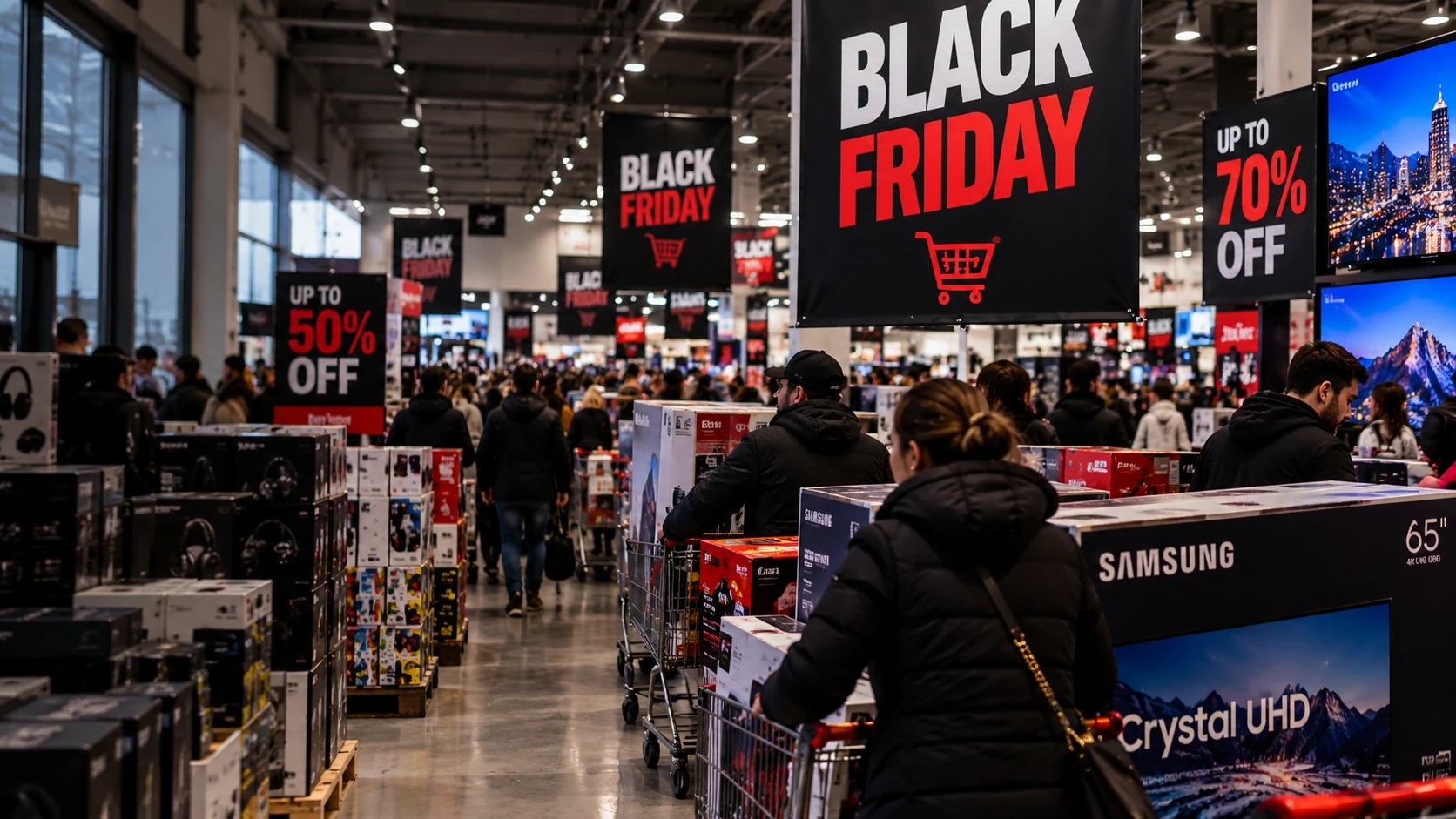
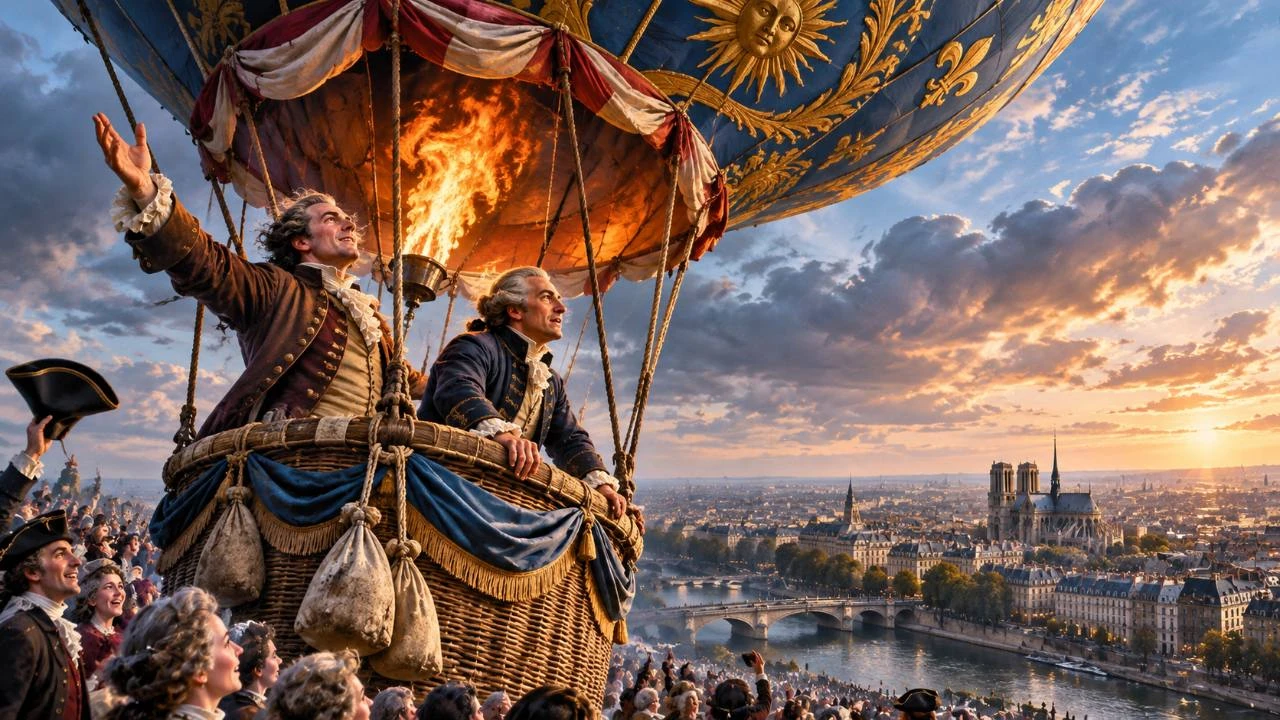
For the commercial calendar around the event, PRESDA’s history of Black Friday separates shopping tradition from marketing claims. For a very different history of balloons, our account of the first free human flight over Paris explains why visually similar objects can have entirely different purposes. The 100th parade belongs to its own story: a continuing urban tradition whose next chapter now depends on a revised Saturday plan.
FAQ
Frequently Asked Questions
When is the 100th Macy’s parade now scheduled?
Macy’s told NBC New York on November 25 that the parade would move to Saturday, November 28, with an 8:30 a.m. start. Check official updates for operational and broadcast details.
Why is the 100th edition in 2026 rather than 2024?
The first parade was in 1924, but no parade was held in 1942, 1943 or 1944 during World War II. The 100th anniversary and the 100th edition are different milestones.
Does 100 inflatables mean 100 giant character balloons?
No. The announced total is the wider inflatable programme. It should not be relabeled as 100 giant character balloons or treated as a count of balloons that actually flew.
Are the originally announced performers guaranteed for Saturday?
The November 13 lineup described the original plan. The postponement changes logistics; individual appearances and the revised running order require confirmation.
PRESDA Dispatch
Stay Informed. Stay Aware.
A sharp briefing across AI, gaming, sport, business, world affairs, paparazzi, and lifestyle.