Monica Bellucci: Breaking the James Bond Age Barrier at 50
How Monica Bellucci’s casting as Lucia Sciarra in Spectre challenged age expectations, and why she was 50 during filming but 51 at the 2015 release.
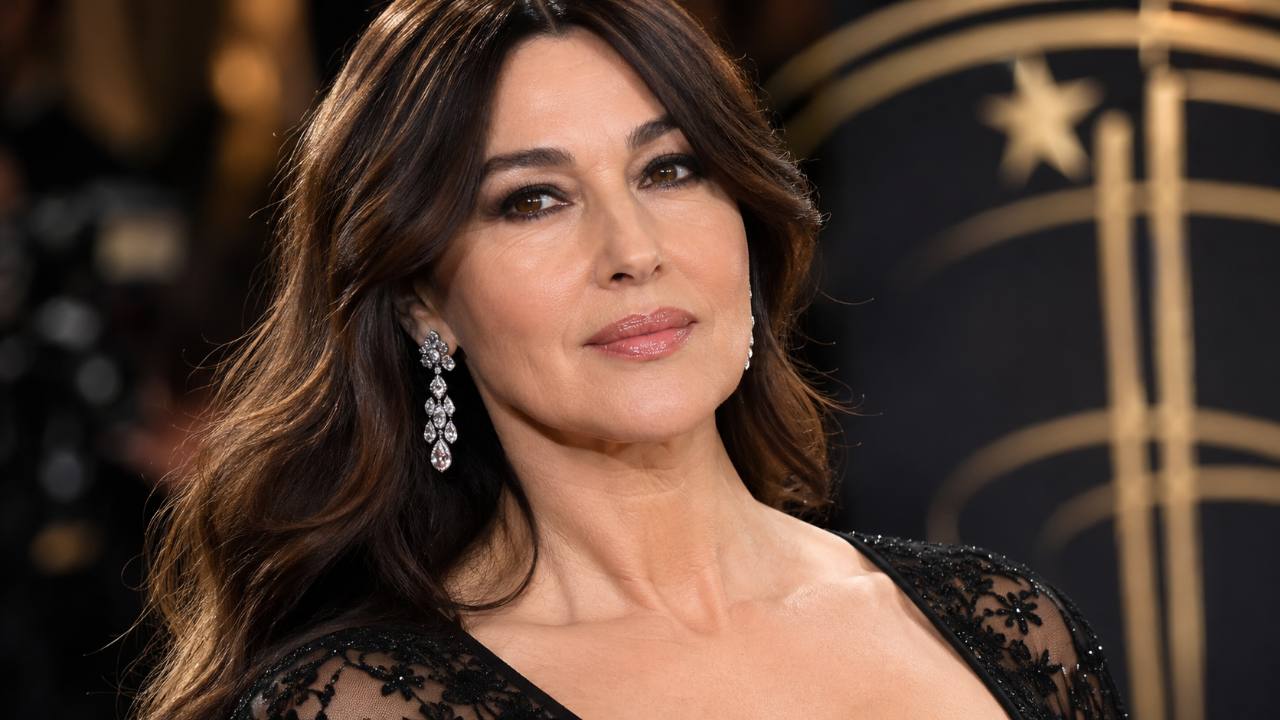
AI-generated editorial illustration supplied for PRESDA. This portrait and backdrop are imagined, not an authenticated Spectre premiere or archival event photograph.
When Monica Bellucci joined Spectre at 50, the surprise said as much about James Bond as it did about her. She was already an established international actor. What felt unusual was the franchise placing a mature woman in the familiar romantic-interest role. Her character, Lucia Sciarra, offered a visible challenge to an assumption about who could be desired on screen, even though one casting decision could not by itself transform an industry. Sony Pictures, December 4, 2014: Spectre cast and production announcement CNN, October 23, 2015: Bellucci interview transcript
The dates sharpen the story. Sony announced her casting on December 4, 2014, with principal photography scheduled to begin on December 8. Born on September 30, 1964, Bellucci was 50 at that point. She was 51 by the London world premiere on October 26, 2015. Both ages appear in coverage because they describe different stages of the same film. Sony Pictures, December 4, 2014: Spectre cast and production announcement Guinness World Records: Bellucci’s age and Bond record Sony Pictures UK, October 26, 2015: world premiere coverage
The role was Lucia Sciarra, not M
Spectre sends Daniel Craig’s Bond to Rome, where he meets the widow of Marco Sciarra. The official Bond character feature identifies Bellucci’s Lucia within that sequence. Her encounter with Bond is connected to danger and information, not to replacing the intelligence chief M or taking the role of Madeleine Swann, played by Léa Seydoux. James Bond 007: Lucia Sciarra’s role
| Date | Fact |
|---|---|
| September 30, 1964 | Bellucci’s birth date, recorded by Guinness |
| December 4, 2014 | Sony announces her casting in Spectre |
| December 8, 2014 | Announced start of principal photography; Bellucci is 50 |
| October 23, 2015 | CNN airs her discussion of a mature Bond woman |
| October 26, 2015 | London world premiere; Bellucci is 51 |
| November 28, 2026 | Variety reports her Marrakech reflections on the role |
That distinction matters to the age discussion. Older women had already appeared in Bond films, most obviously Judi Dench as M. Bellucci’s casting was remarkable within the category habitually labeled the Bond girl, not because no woman over 50 had previously worked in the series. A headline that erases those other performances would misdescribe the achievement.
Why she preferred the idea of a Bond woman
In an interview broadcast by CNN on October 23, 2015, Bellucci explained her initial surprise at being approached. She described Mendes wanting a woman of 50 who looked her age. The point was not a transformation that concealed maturity. Age belonged to the character and to the way Bellucci understood her vulnerability and desire for escape. CNN, October 23, 2015: Bellucci interview transcript
Her insistence on a mature woman made the familiar publicity label feel inadequate. The difference between girl and woman was more than a birthday calculation: it concerned experience, agency and the expectation that a female performer might have to look younger to remain romantically visible.
A casting convention rather than a written prohibition
The sources establish no formal rule banning women of her age from romantic roles in Bond. The barrier was cultural and commercial: the assumptions audiences and publicity had learned to associate with the series. Bellucci’s presence made those assumptions easier to see and discuss.
It would also be too simple to call the casting the end of ageism. A prominent exception can coexist with restrictive patterns. Its significance lies in showing another possibility within a highly recognizable film brand, where a small change in casting can attract attention far beyond the character’s individual scenes.
An international career before the Bond headlines
The Festival de Cannes biography places Bellucci’s screen career well before Spectre. It records her work with Francis Ford Coppola on Dracula in 1992, The Apartment in 1996 and the Matrix films in 2003. Cannes also lists her as a feature-film jury member in 2006. She arrived in Bond with a substantial body of work, not as a discovery made by the franchise. Festival de Cannes: Monica Bellucci’s filmography and jury role
The international range is important. Reading her career only through a Hollywood age debate overlooks a performer moving among European and American productions. Bond amplified her visibility, but did not create the professional experience that made her casting possible.
Recognition does not have to begin again at 50
The story is often framed as permission for an older actor to remain glamorous. That framing can itself be limiting. An established performer brings interpretation, timing and knowledge of how a scene works, alongside the image that publicity chooses to emphasize. Reducing the achievement to a number repeats part of the narrowness the casting appeared to challenge.
Bellucci’s account of the role offers a better focus: a character could be explicitly mature without that maturity being treated as something to disguise. The interesting question becomes what a film allows a woman of that age to be, rather than whether the actor has somehow escaped ageing.
The achievement and the limits of Lucia’s story
Lucia occupies a particular place in Spectre’s plot rather than controlling the entire adventure. Celebrating the casting need not mean claiming she is the film’s central protagonist. The distinction between being represented and being given sustained narrative power is useful when judging what changed.
The role has also attracted academic examination. A 2025 article in the Journal of James Bond Studies considers Lucia Sciarra through questions of age and the franchise’s treatment of women. Its existence reflects how the casting became a subject of criticism as well as celebration, rather than a publicity anecdote that ended with the premiere. Journal of James Bond Studies, 2025: scholarship on Lucia Sciarra and age
A record with a specific meaning
Guinness recognizes Bellucci in the traditional Bond-girl category and records her age at the beginning of filming and at release. That classification captures a real casting milestone. It does not establish that she was the oldest actor in the production or that every woman in the series must be understood through a romantic label. Guinness World Records: Bellucci’s age and Bond record
The most accurate account can therefore hold two ideas together: the casting challenged a conspicuous convention, and the convention itself remained open to criticism. The achievement becomes more substantial when its boundaries are stated clearly.
Why the conversation continues
On November 28, 2026, Variety reported Bellucci reflecting on the role during a Marrakech Film Festival masterclass. Her recollection returned to the unusual choice of a mature Bond woman. More than a decade after Spectre, the casting still functions as a reference point in discussion of women and age on screen. Variety, November 28, 2026: Bellucci’s Marrakech masterclass
The enduring lesson is not that 50 is an astonishing age to work. It is that an ordinary fact of adult life became extraordinary within a familiar cinematic convention. Bellucci’s appearance made that imbalance visible, while her wider career reminds viewers how much an actor’s story exceeds one label.
FAQ
Frequently Asked Questions
Was Monica Bellucci 50 or 51 in Spectre?
She was 50 when production began in December 2014 and turned 51 on September 30, 2015, before the London premiere on October 26.
Who did she play?
Lucia Sciarra, the widow of Marco Sciarra. Bond meets her in Rome after her husband’s death. She is not M or Madeleine Swann.
Was she the oldest actress ever in a Bond film?
That is not the claim. Her record concerns the traditional Bond romantic-interest category. Older performers, including Judi Dench as M, appeared in the series in other roles.
Was there a formal age ban?
No formal age rule is established by these sources. The barrier refers to casting expectations and the public discussion of a mature woman as Bond’s romantic interest.
PRESDA Dispatch
Stay Informed. Stay Aware.
A sharp briefing across AI, gaming, sport, business, world affairs, paparazzi, and lifestyle.