Xabi Alonso At Chelsea: Tactics, Career & The New Stamford Bridge Era
Xabi Alonso's Chelsea project brings one of Europe's most studied young coaches into Stamford Bridge's restless search for structure, control and sustained success.
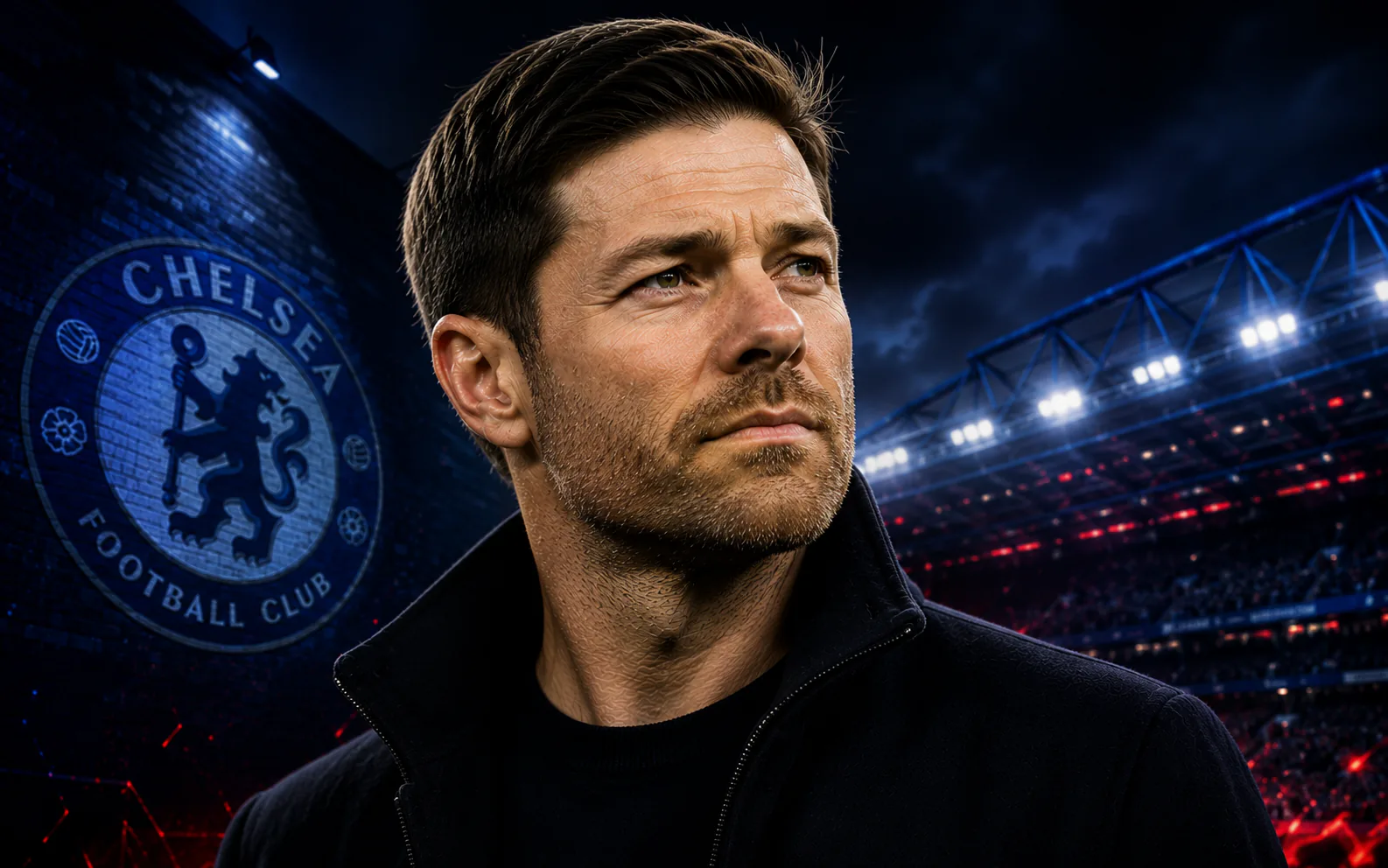
Xabi Alonso at Chelsea is no longer a hypothetical. As of September 3, 2026, Chelsea list Alonso as head coach after appointing him on a four-year contract beginning July 1, 2026. The move places one of Europe's most studied tactical managers inside one of the Premier League's most demanding football environments.
The attraction is clear. Alonso arrived with the authority of a world-class playing career, a historic Bayer Leverkusen title project, a bruising but instructive Real Madrid spell, and a coaching reputation built around control, positional intelligence and calm authority. Chelsea arrived with talent, money, pressure and the need for a coherent football identity after years of turbulence.
This article separates confirmed facts from interpretation. Alonso's Chelsea appointment, playing honors, Spain career, Leverkusen trophies and early 2026/27 results are supported by official or reputable reporting. Tactical analysis is presented as analysis, not as statistical proof. Early Chelsea form is promising, but a few matches cannot answer whether a long-term rebuild has truly begun.
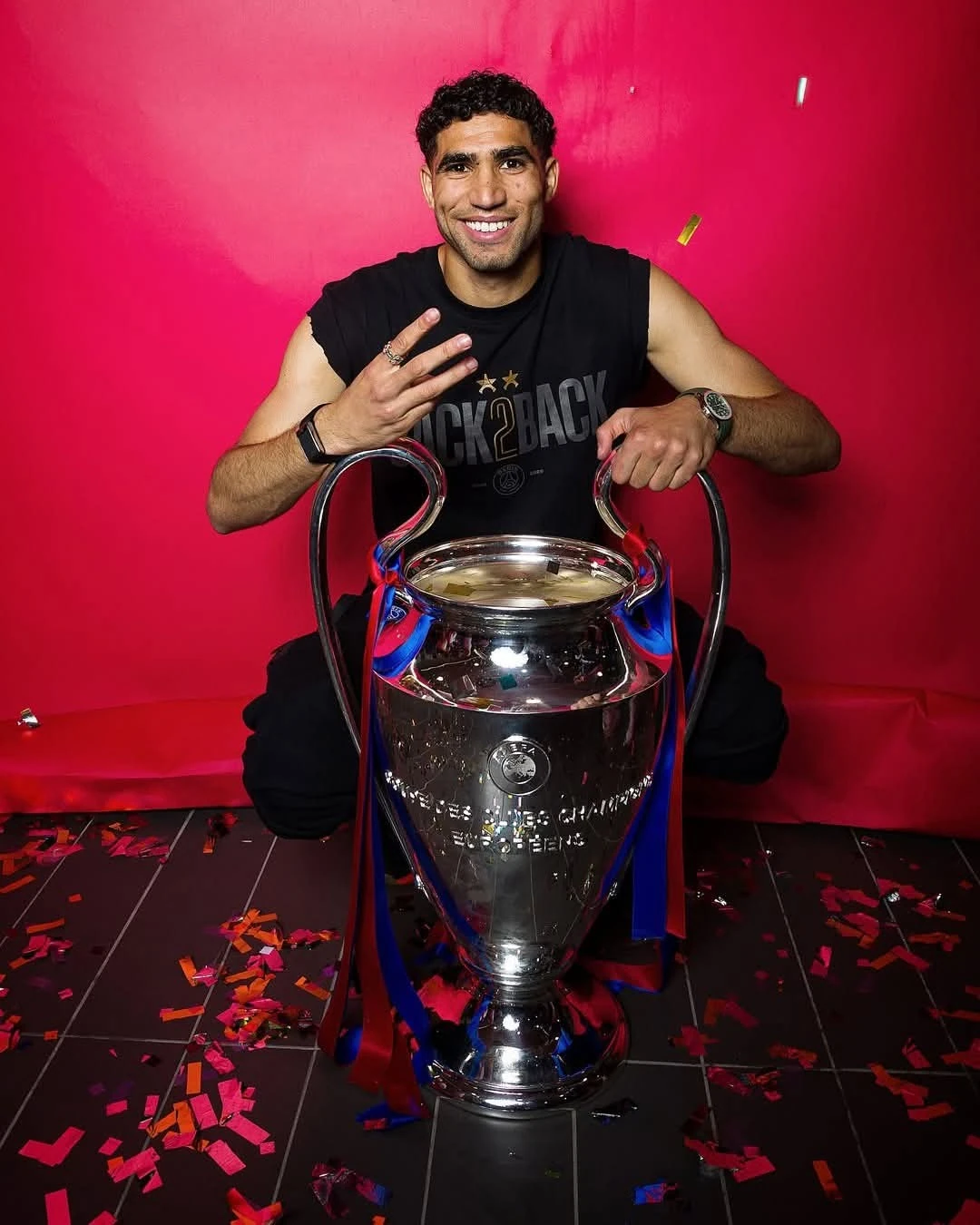
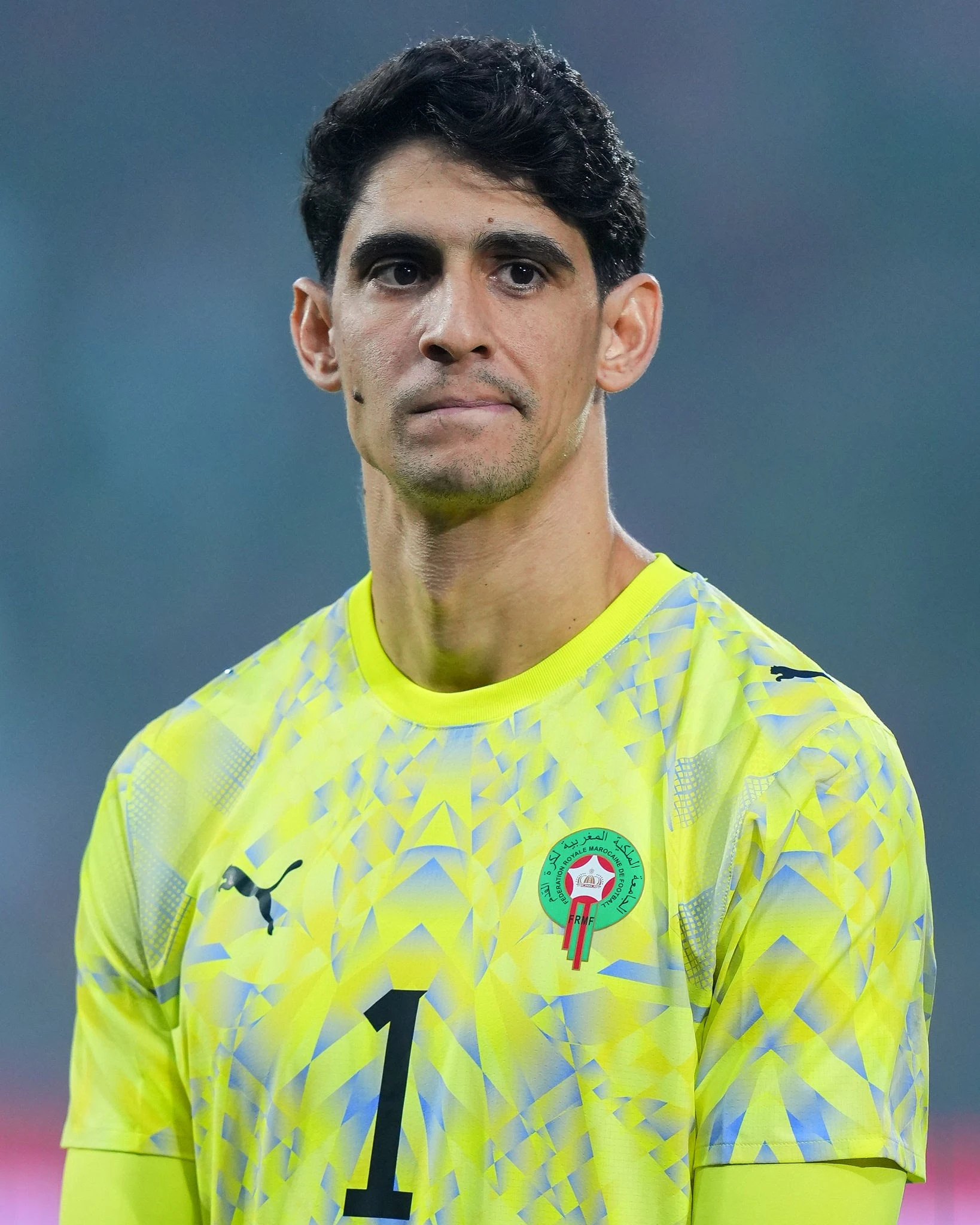
For wider context, read PRESDA's Sport coverage, our profile of Football's Greatest Generation and the Morocco-era player profiles on Achraf Hakimi and Yassine Bounou.
Who Is Xabi Alonso?
Xabi Alonso is one of the defining midfielders of the 21st century. He was never the loudest footballer on the pitch, but he was often the player who controlled the emotional speed of the match. His passes changed the angle of attacks. His positioning protected teams before danger became visible. His career turned the deep midfielder into a role of rhythm, control and authority.
Alonso's senior playing story began at Real Sociedad, where he came through the Basque football environment and became a first-team leader. Liverpool gave him a global stage. He was part of the 2004/05 Champions League-winning side and remains associated with one of the most dramatic European finals ever played. Real Madrid added another layer: LaLiga, Copa del Rey trophies and the 2013/14 Champions League. Bayern Munich completed the elite-club arc with three Bundesliga titles before he retired as a player in 2017.
For Spain, Alonso belonged to the national team's golden era. FIFA and Real Madrid profile him with 114 Spain caps, and his international honors include UEFA EURO 2008, the 2010 FIFA World Cup and UEFA EURO 2012. That Spain side was built on patience, technical superiority and positional understanding. It is impossible to understand Alonso the coach without understanding that education.
| Year | Club/Team | Role | Key Achievement |
|---|---|---|---|
| 1999-2004 | Real Sociedad | Player | Became a first-team midfielder and captain after coming through the Basque football pathway |
| 2004-2009 | Liverpool | Player | Won the 2004/05 UEFA Champions League and became a Premier League-era midfield reference |
| 2009-2014 | Real Madrid | Player | Won LaLiga, Copa del Rey titles and the 2013/14 Champions League |
| 2014-2017 | Bayern Munich | Player | Won three Bundesliga titles and ended his playing career in Germany |
| 2003-2014 | Spain | Player | Won EURO 2008, the 2010 World Cup and EURO 2012; FIFA and Real Madrid list him with 114 Spain caps |
| 2018-2019 | Real Madrid youth | Coach | Started coaching inside Real Madrid's academy structure |
| 2019-2022 | Real Sociedad B | Head coach | Developed his first senior-level coaching identity with his home-club pathway |
| 2022-2025 | Bayer Leverkusen | Head coach | Led Leverkusen to the club's first Bundesliga title and an unbeaten domestic double |
| 2025-2026 | Real Madrid | Head coach | Appointed on a deal to 2028, then left by mutual consent in January 2026 |
| 2026- | Chelsea | Head coach | Appointed on a four-year contract beginning July 1, 2026 |
From Player To Coach
Alonso did not move directly from fame into a top job. He began in youth development with Real Madrid, then returned to Real Sociedad to coach the B team. That pathway matters because it gave him time to build habits away from celebrity attention: training-ground detail, player development, game models, communication and the practical grind of managing imperfect squads.
Real Sociedad B gave him a first serious laboratory. Coaching young players forces clarity. A coach cannot rely on senior dressing-room shortcuts or superstar instinct. He has to teach the shape, repeat principles and simplify complex ideas without making the football simplistic.
Bayer Leverkusen turned the idea into proof. Alonso arrived in October 2022 with the club in difficulty and left as the coach who had changed its modern history. Real Madrid then gave him the most scrutinized job in European football. Chelsea now gives him something different: a rebuild with huge resources, severe scrutiny and a squad still searching for a stable identity.
| Team | Period | Major Achievements | Context |
|---|---|---|---|
| Real Sociedad B | 2019-2022 | Promotion-level development work in Spain's lower divisions | First sustained head-coach role after academy work |
| Bayer Leverkusen | 2022-2025 | Bundesliga 2023/24, DFB-Pokal 2023/24, unbeaten Bundesliga season, 51-game unbeaten run in all competitions before the Europa League final defeat | Turned a talented side into one of Europe's clearest tactical projects |
| Real Madrid | June 2025-January 2026 | Appointed for three seasons; left by mutual consent after seven months | High-pressure spell ended after the Spanish Super Cup final defeat and reported tactical/dressing-room friction |
| Chelsea | July 2026- | Four-year appointment; opened 2026/27 with two Premier League wins and a League Cup win | Early evidence is promising, but too small a sample to prove long-term success |
The Leverkusen Revolution
The Leverkusen period is the foundation of the Xabi Alonso coaching story. When he arrived in 2022, Leverkusen were far from the level that would later define them. By 2023/24, they were Bundesliga champions for the first time in club history, DFB-Pokal winners and domestically unbeaten.
Bundesliga and UEFA coverage of that season show why it became such a reference point. Leverkusen did not simply win a league title. They played with tactical clarity and emotional patience. Their shape could look like a back three, but the deeper idea was not a formation label. It was a structure that created width, protected central zones and allowed technically gifted players to combine without losing control behind the ball.
The wing-back roles were essential. Jeremie Frimpong and Alejandro Grimaldo gave Leverkusen height and width, while midfield security allowed the team to move opponents and attack delayed spaces. Florian Wirtz gave the side imagination between lines. Granit Xhaka helped stabilize the rhythm. The result was football that could feel controlled and dramatic at the same time.
Leverkusen's unbeaten run ended in the 2024 Europa League final against Atalanta, after 51 matches unbeaten in all competitions. That defeat matters because it keeps the story honest. Alonso's Leverkusen were historic, not invincible. The best reading of the season is not myth. It is evidence that Alonso could build a coherent system, sustain belief and turn a club's psychology around.
Real Madrid: Pressure, Fit And A Short Spell
Real Madrid appointed Alonso in 2025 on a contract running to 2028. It was a logical emotional story: former Madrid midfielder, modern tactical coach, elite football mind returning to the Bernabeu. But logical stories do not always become stable projects.
His 2025/26 spell should be described carefully. Real Madrid expected immediate authority, tactical polish and trophy-level control. Reporting around his departure in January 2026 pointed to pressure after the Spanish Super Cup final defeat and media discussion of tactical and dressing-room problems. Those points should be treated as media reporting unless confirmed on record by the club or named participants.
The tactical challenge was real even without private speculation. Madrid are not Leverkusen. The squad profile, dressing-room status, institutional pressure and weekly expectation are different. A coach can build mechanisms at one club and find that another squad requires different compromises. Alonso's Madrid period therefore became less a verdict on his coaching intelligence than a reminder that fit matters.
For Chelsea, that experience is relevant. It showed the risk of appointing a coach because the idea is elegant. Elite clubs need more than philosophy. They need alignment between recruitment, dressing-room authority, player roles, patience and the board's expectations.
Why Chelsea Chose Xabi Alonso
Chelsea chose Alonso because the club needed a coach who could make talent feel connected. The post-2022 Chelsea era has been defined by managerial change, major spending, squad churn and a constant search for a settled football identity. Good players arrived, but the team too often looked like a collection of profiles rather than a synchronized side.
A four-year contract beginning July 2026 signals that Chelsea wanted to present this as more than a short-term rescue job. Alonso offers a story ownership can sell: elite playing pedigree, Bundesliga-winning coaching evidence, tactical sophistication and the aura of a manager still early enough in his career to grow with the squad.
The risk is that Chelsea's impatience can swallow projects before they mature. Alonso's appeal is structure, but structure takes repetition. Pressing angles, rest defence, build-up spacing and attacking rotations are not installed by reputation. They are built through training, selection consistency and trust.
The early 2026/27 start has helped. Chelsea opened the Premier League season with wins over Fulham and Brighton, then beat Luton Town in the League Cup. Reuters and Chelsea's own reporting framed the start as positive, with attacking signs around Cole Palmer and Morgan Rogers. That is useful evidence, but it is not a title forecast.
Xabi Alonso's Tactics
The lazy description of Alonso is that he is a back-three coach. The more useful description is that he is a structure coach. At Leverkusen, the back three gave him central security and released wing-backs high. At other clubs, the same principles can appear through a back four, inverted full-backs, midfield rotations or asymmetric buildup.
His teams generally want clean first progression. Centre-backs split intelligently, midfielders offer receiving angles, and wide players stretch the pitch so central players have room to turn. Possession is not decoration. It is a way to move the opponent until a passing lane, switch or third-man combination appears.
Pressing and counter-pressing are equally important. Alonso's best teams do not want to attack with six players and leave the rest of the side disconnected. They want rest defence: enough protection behind the attack to win the second ball, stop counters or force opponents into low-value clearances.
At Chelsea, that balance is the heart of the project. Cole Palmer gives the side creativity between lines and final-third quality. Morgan Rogers, if used centrally or from the left, can carry the ball through pressure and attack space. The question is whether Chelsea can attack with freedom while defending with compactness. Early games have shown promise going forward and warning signs at the back.
| Area | Leverkusen | Real Madrid | Chelsea |
|---|---|---|---|
| Base structure | Often built around a back three with wing-back width and midfield control | Tried to modernize a star-heavy side without locking into one stable shape | Early signs point to flexible back-three/back-four ideas depending on personnel and game state |
| Build-up | Patient circulation, central security and switches toward advanced wing-backs | More difficult because Madrid's forwards and midfield profiles demanded different spacing | Uses technical midfielders and wide rotations, but cohesion is still forming |
| Attacking width | Frimpong and Grimaldo stretched opponents and created diagonal passing lanes | Width depended more on elite individual attackers and full-back availability | Chelsea's width comes from full-backs, wide forwards and rotations around Palmer/Rogers |
| Pressing | Compact pressing and counter-pressing after controlled possession losses | Reportedly struggled to impose full-team intensity consistently | Energetic but still open; early league games showed goals for and against |
| Transitions | Strong rest defence let Leverkusen attack without becoming chaotic | Transition control was a recurring pressure point | Chelsea look dangerous in attack but defensive spacing remains a concern |
| Main risk | Could be exposed if wing-back lanes were pinned or counters beat the first wave | Pressure, egos and fit made tactical authority fragile | Small sample, squad churn and defensive fragility mean optimism needs patience |
Chelsea 2026/27: Strong Start, Small Sample
Chelsea's opening weeks under Alonso created optimism because the team looked more purposeful. The 3-2 win over Fulham gave Stamford Bridge an emotional first step. The 4-2 win at Brighton suggested attacking rhythm away from home. The 2-0 League Cup win over Luton Town added depth to the early story.
Still, the scorelines also contain a warning. Conceding twice in league wins can point to transition vulnerability, spacing problems or the normal noise of early-season adaptation. It is too early to treat Alonso's Chelsea as a finished tactical product.
The positive signs are easier to name: quicker vertical attacks, more coherent midfield occupation, Palmer's central importance, Rogers' ability to connect carrying and combination play, and a sense that Chelsea are trying to play through a recognizable idea. The concerns are just as important: defensive spacing, set-piece control, protection after turnovers and the emotional pressure that builds quickly at Chelsea.
Transfer Strategy And The Summer Rebuild
Chelsea's 2026 summer rebuild should be discussed with care. Some moves are officially confirmed; some fees are reported by reputable outlets; some rumors remain unverified. This article does not treat unconfirmed transfer fees as fact.
Morgan Rogers became one of the defining attacking additions of the project, with reputable reporting placing the fee at a British-record level for Chelsea. Emiliano Martinez was reported as part of the goalkeeper reset, bringing experience and penalty-box authority. Enzo Fernandez's future and valuation were part of the wider transfer-window conversation, but this article does not treat any unconfirmed move as fact.
The strategic idea is clear even if every fee should be read through its source: Chelsea wanted profiles who could help Alonso stabilize the spine and sharpen the final third. A goalkeeper with authority, midfielders who can receive under pressure, carriers who can break lines and attackers who can combine around Palmer all fit the broader tactical direction.
The danger is overload. Chelsea have often had enough talent. The problem has been turning recruitment into a team. Alonso's success will depend less on the headline size of individual moves and more on whether the club can stop asking every new signing to solve a different crisis.
Can Xabi Alonso Rebuild Chelsea?
There are reasons for optimism. Alonso has already shown that he can build a team with a clear game model. He understands elite dressing rooms because he lived inside them as a player. His Leverkusen side proved he can improve players, create belief and turn a club's emotional narrative from nearly-there frustration into history.
Chelsea also offer him resources most coaches would envy. The squad has youth, technical quality, attacking talent and commercial scale. Stamford Bridge can become a difficult home again if the football gives supporters something coherent to believe in.
There are reasons for caution too. The Premier League is less forgiving than a tactical presentation. Opponents press aggressively, transitions are violent, set pieces decide matches and media pressure can turn one bad week into a referendum. Chelsea's ownership era has not always created calm conditions for long projects.
The fairest answer is that Alonso can rebuild Chelsea if the club lets the project breathe and if early tactical promise becomes defensive reliability. He does not need to copy Leverkusen. He needs to translate the principles: control, spacing, width, rest defence, collective confidence and smart adaptation.
Final Word
Xabi Alonso at Chelsea is compelling because it brings together two unfinished stories. Alonso is still defining what kind of elite coach he will become after Leverkusen's brilliance and Madrid's difficulty. Chelsea are still trying to convert talent and spending into a stable football identity.
The early signs are strong enough to matter and fragile enough to keep perspective. Chelsea have started well, but the new Stamford Bridge era will be judged over months and seasons, not opening headlines. Alonso's task is not simply to make Chelsea smarter. It is to make them repeatable.
FAQ
Frequently Asked Questions
Is Xabi Alonso Chelsea manager in 2026?
Yes. Chelsea announced Xabi Alonso as head coach on a four-year contract beginning July 1, 2026.
What is Xabi Alonso known for tactically?
Alonso is known for controlled buildup, positional structure, flexible back-three/back-four ideas, aggressive wing or full-back roles, midfield control, counter-pressing and strong rest defence.
What did Xabi Alonso win with Bayer Leverkusen?
Alonso led Bayer Leverkusen to the 2023/24 Bundesliga title, the DFB-Pokal and an unbeaten domestic season. Their all-competition unbeaten run ended in the Europa League final against Atalanta.
Did Xabi Alonso manage Real Madrid before Chelsea?
Yes. Real Madrid appointed Alonso in 2025 on a contract to 2028, but his spell ended by mutual consent in January 2026 after a difficult period.
How has Chelsea started under Xabi Alonso?
Chelsea started the 2026/27 season strongly with early Premier League wins over Fulham and Brighton and a League Cup win over Luton Town, but the sample is still too small to prove long-term success.
How many caps did Xabi Alonso win for Spain?
FIFA and Real Madrid list Xabi Alonso with 114 Spain caps. He was part of Spain's EURO 2008, 2010 World Cup and EURO 2012 winning squads.
Can Xabi Alonso rebuild Chelsea?
He can if Chelsea give the project enough alignment and patience. The reasons for optimism are his tactical clarity and Leverkusen record; the risks are Premier League pressure, defensive issues and Chelsea's recent instability.
PRESDA Dispatch
Stay Informed. Stay Aware.
A sharp briefing across AI, gaming, sport, business, world affairs, paparazzi, and lifestyle.